bluename
 spider plant Leaves Are Curled: Your Guide to Shading Treatment for Excessive Light Exposure
You’ve nurtured your spider plant, expecting its signature arching, vibrant green leaves. Instead, you’re met with a troubling sight: the leaves are curled, pale, or even crispy at the edges. This common frustration often points to one primary culprit: too much light. While spider plants are famously resilient, direct, intense sunlight is their kryptonite. This article provides a complete, step-by-step shading treatment plan to reverse the damage, restore your plant’s health, and prevent those telltale curled leaves from returning. We’ll move beyond simple advice to actionable solutions grounded in plant physiology.
Understanding Why Your Spider Plant Leaves Are Curled
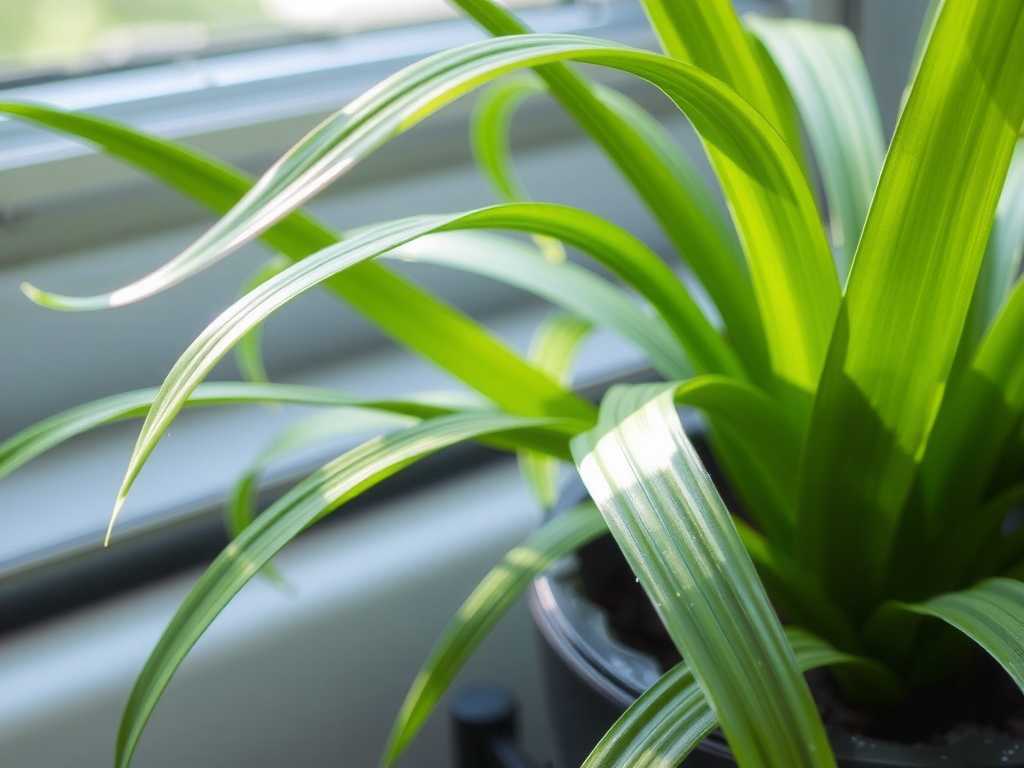
Before we fix the problem, let’s diagnose it. Spider plant leaves curling is a classic stress response. According to horticulturist Dr. Linda Chalker-Scott, author of “The Informed Gardener,” leaf curling in plants is often a moisture-conservation strategy. When exposed to excessive light and heat, the plant loses water faster than its roots can absorb it. To reduce surface area and minimize further water loss, the leaves curl inward, often lengthwise. This is different from curling due to underwatering, which is typically accompanied by overall drooping and dryness. Light stress curling is frequently paired with other symptoms:
- Leaf Bleaching or Fading: The rich green color fades to a pale yellow or even white.
- Brown, Crispy Tips and Margins: This is direct scorching from the sun’s rays.
- Stunted Growth: The plant focuses on survival, not producing new pups or leaves.
The Immediate Shading Treatment Protocol
Acting quickly is key to stopping further damage. Follow this immediate response plan.
Step 1: Assess and Relocate First, identify the light source. Is it a south-facing window with harsh afternoon sun? A west-facing window with intense heat? Your goal is bright, indirect light. An east-facing window is often ideal. Immediately move your plant to a spot where it receives no direct sunbeams on its foliage. A location a few feet back from a sunny window, or in a room with filtered light through a sheer curtain, is perfect.
Step 2: Evaluate Soil and Hydration Gently check the soil. Excessive light accelerates soil drying. If the soil is bone dry, give your plant a thorough, deep watering until water runs freely from the drainage holes. This helps rehydrate the stressed root system. However, ensure the pot drains completely; soggy soil combined with stress can lead to root rot.
Step 3: Create a Temporary Shade Barrier If you cannot move the plant (e.g., it’s a large floor plant), create shade. Use a sheer curtain to diffuse the light. A lightweight shade cloth, or even a strategically placed piece of furniture to block the most intense rays, can work as a temporary shield while you plan a permanent solution.
Long-Term Strategies for Perfect Indirect Light
Solving the curling issue isn’t just a one-time move; it’s about creating the right environment.
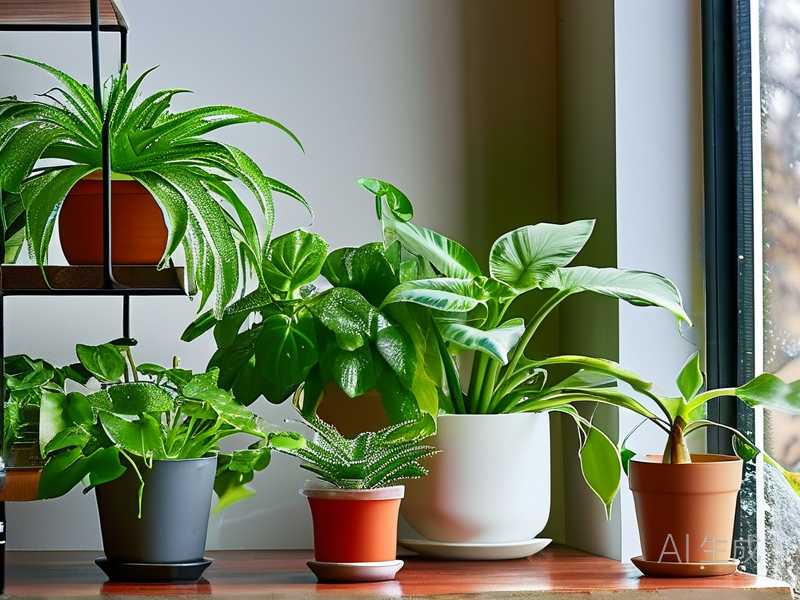
Mastering Light Placement in Your Home Not all indirect light is equal. Here’s how to find the sweet spot:
- The Hand Shadow Test: On a sunny day, hold your hand about 12 inches above where the plant will sit. A soft, fuzzy shadow indicates perfect bright, indirect light. A sharp, defined shadow means direct light that’s too strong.
- Seasonal Adjustments: The sun’s angle changes. A spot that’s safe in winter may become a solar furnace in summer. Be prepared to adjust your plant’s position seasonally. A north-facing window can sometimes provide consistently gentle light year-round.
Utilizing Light-Filtering Tools Your window treatments are your best ally.
- Sheer Curtains: These are the most effective and aesthetically pleasing way to soften direct sunlight.
- Blinds: Adjustable blinds allow you to control the intensity and angle of light throughout the day.
- Window Films: Static-cling window films can diffuse light without altering your view, a great option for renters.
Recovery and Ongoing Care After Light Stress
Once the shading treatment is in place, your spider plant will begin its recovery. Patience is essential.
What to Expect During the Healing Process Do not expect already curled or scorched leaves to uncurl or turn green again. That damage is permanent. The positive signs of recovery will appear in new growth. Fresh leaves emerging from the center (the crown) of the plant will be straight, firm, and a healthy green color. You can carefully trim away the most severely damaged leaves with clean scissors to improve appearance and allow the plant to redirect energy.
Optimizing Watering and Humidity With the light stress corrected, refine your care routine. Water only when the top inch or two of soil feels dry. Spider plants appreciate moderate humidity. If your air is very dry, occasional misting or placing the pot on a pebble tray with water can support recovery, helping leaves stay hydrated and supple.
When to Consider Other Causes If you’ve implemented proper shading for excessive light exposure and new growth is still curling, consider other factors. Consistently low temperatures, pest infestations (like aphids), or a severe nutrient deficiency can sometimes cause similar symptoms. A holistic review of your plant care is always wise.
Frequently Asked Questions
Can a spider plant recover from sunburned, curled leaves? Yes, spider plants are remarkably resilient. While the sunburned portions of the leaves will not heal, the plant itself will recover once the stressor is removed. It will channel its energy into producing new, healthy growth. Removing the badly damaged leaves can aid this process.
How long does it take for a spider plant to uncurl after moving it? Existing curled leaves may not fully uncurl. The primary indicator of success is the new growth. You should see straight, healthy leaves emerging within a few weeks of providing correct light and care. The plant’s overall vigor will improve noticeably in that time.
My spider plant is in indirect light but the leaves are still curling. Why? If light is not the issue, the next most common culprit is watering. Consistent underwatering can also cause curling and crispiness. Ensure you are watering thoroughly when the soil is partially dry. Alternatively, check for root-bound conditions; if roots are overcrowded, they can’t absorb water effectively, mimicking drought stress. Also, ensure the plant is not in the path of hot or cold drafts from vents or doors.
By understanding that spider plant leaves are curled primarily as a defense against light overload, you hold the key to the solution. Implementing a thoughtful shading treatment transforms a stressed plant back into the thriving, graceful specimen it’s meant to be. It’s a testament to the fact that even the easiest houseplants have their preferences, and respecting their need for gentle, filtered light is the cornerstone of keeping them lush and beautiful for years to come.