bluename
 spider plant Leaf Black Spots: A Complete Guide to Fungicide Usage for Fungal Diseases
You’ve nurtured your spider plant, admired its graceful arching leaves, and watched its cheerful spiderettes dangle. Then, you see them: unsettling black spots marring the vibrant green foliage. This common issue signals a fungal disease taking hold, turning your plant care joy into concern. Left untreated, these spots can spread, weaken the plant, and even prove fatal. But don’t despair—effective treatment is absolutely possible. This guide will walk you through the precise, step-by-step methods for using fungicides to combat fungal diseases causing black spots on spider plants, helping you restore your plant to full health.
Understanding the Enemy: Fungal Diseases Behind Black Spots
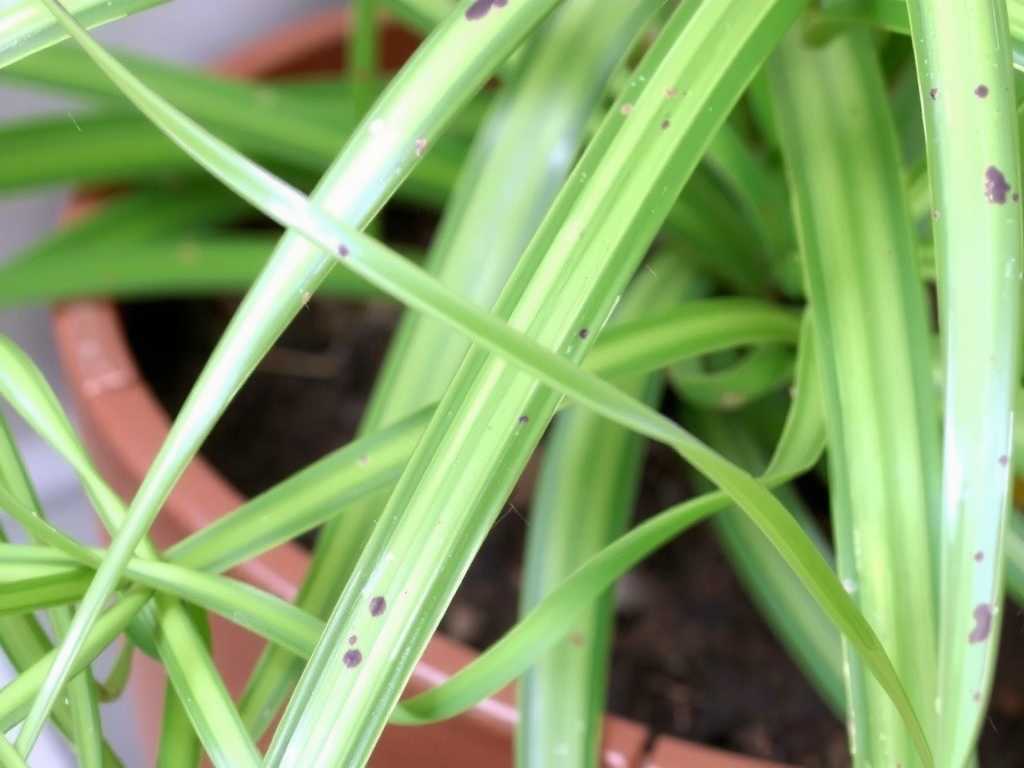
Before reaching for any treatment, correct identification is crucial. Not all black spots are created equal, and using the wrong remedy wastes time and stresses the plant. The primary fungal culprits for black spots on spider plant leaves are Leaf Spot Disease and Root Rot (which manifests as black or brown spots on leaves when advanced).
Leaf Spot Disease often appears as circular or irregular brown lesions that gradually turn black, sometimes surrounded by a yellow halo. It thrives in conditions of excess moisture on foliage, poor air circulation, and overcrowding. Root Rot, caused by fungi like Fusarium or Pythium, starts beneath the soil. Overwatering is the usual suspect, leading to soggy roots that decay. The plant’s inability to uptake water and nutrients then causes black or brown mushy spots and streaks on the leaves, starting from the base or tips.
According to a study in the Journal of Plant Pathology, over 80% of foliar issues in common houseplants like spider plants are attributable to fungal pathogens exacerbated by environmental stress. This highlights the dual approach needed: direct treatment and cultural correction.
Step-by-Step Fungicide Application Methods
Once you’ve identified a fungal issue, a systematic approach ensures success. Always start with the least invasive intervention.
1. Initial Isolation and Cultural Correction Immediately isolate the affected spider plant to prevent potential spread to other plants. Remove all severely spotted leaves using sterilized pruning shears—cut the entire leaf at the base. Dispose of these leaves in the trash, not the compost. Dr. Eleanor Green, a noted horticulturist, advises, “Sanitation is your first and most powerful fungicide. Removing infected plant material removes a massive source of fungal spores.” Improve air circulation around the plant and adjust your watering habit to target the soil only, keeping leaves dry.
2. Choosing the Right Fungicide Selecting an appropriate fungicide is critical for treating fungal diseases on spider plants. For early-stage leaf spot, a broad-spectrum contact fungicide containing chlorothalonil or mancozeb creates a protective barrier on the leaf surface. For more advanced cases or suspected systemic issues (like root rot), a systemic fungicide is necessary. Products containing thiophanate-methyl or propiconazole are absorbed by the plant and work from within to stop the fungus. For organic gardeners, copper-based fungicidal soaps or neem oil solutions can be effective against surface fungi, though they may require more frequent application.
3. Precise Application Technique Mixing and applying fungicides correctly is non-negotiable for both safety and efficacy.
- Mixing: Follow the label’s instructions meticulously. Never use a higher concentration, thinking it will work better—this can “scorch” leaves. Use clean, dedicated measuring tools.
- Application: Apply outdoors or in a well-ventilated area. Use a spray bottle for foliar applications, ensuring you coat both the top and bottom of every leaf until the solution just begins to run off. The undersides are where many fungi germinate. For suspected root rot, a soil drench is required. Mix the fungicide as directed and water the soil thoroughly with the solution, ensuring it penetrates the root zone.
- Timing: Apply in the early morning or late evening to prevent rapid evaporation and sun-scorch on wet leaves. Repeat applications as specified on the product label, typically every 7-14 days, to break the fungal life cycle.
4. Post-Treatment Care and Monitoring After treatment, place the plant in bright, indirect light to support recovery. Water only when the top inch of soil is dry. Monitor new growth closely; healthy, spot-free leaves are your sign of success. Continue preventive cultural practices to avoid recurrence.
Prevention: The Best Long-Term Strategy
Consistently preventing black spots on chlorophytum comosum (the spider plant’s botanical name) is far easier than curing them. Ensure your plant is in well-draining potting mix and a pot with drainage holes. Water thoroughly but infrequently, allowing the soil to partially dry out. Provide good air flow and avoid misting the foliage, as spider plants do not require high humidity. Regularly wipe leaves with a dry cloth to remove dust, which can harbor spores, and inspect new plants before introducing them to your collection.
Why did my spider plant get black spots even though I don’t overwater? Overwatering is a common cause, but not the only one. Fungal spores can be introduced via new plants, contaminated tools, or even air currents. High humidity, poor air circulation, and water sitting on the leaves (e.g., from overhead watering) create the perfect damp environment for these spores to germinate and infect the leaves, leading to spots.
Can I use homemade solutions instead of commercial fungicide? For very minor, early cases, some gardeners use diluted solutions of baking soda (1 teaspoon per quart of water with a drop of soap) or hydrogen peroxide. However, their efficacy is limited and inconsistent compared to formulated fungicides. They work more as suppressants than cures. For a confirmed, spreading fungal infection, a targeted commercial or organic fungicide product is the most reliable choice to save your plant.
How long does it take for a spider plant to recover after fungicide treatment? You should see the progression of black spots halt within 1-2 weeks of proper treatment. However, the existing damaged spots will not heal or turn green again. The true sign of recovery is the emergence of new, healthy, spot-free foliage. Full recovery, where the plant regains its lush appearance, can take several months as new leaves replace the old, damaged ones. Patience and consistent care are key.
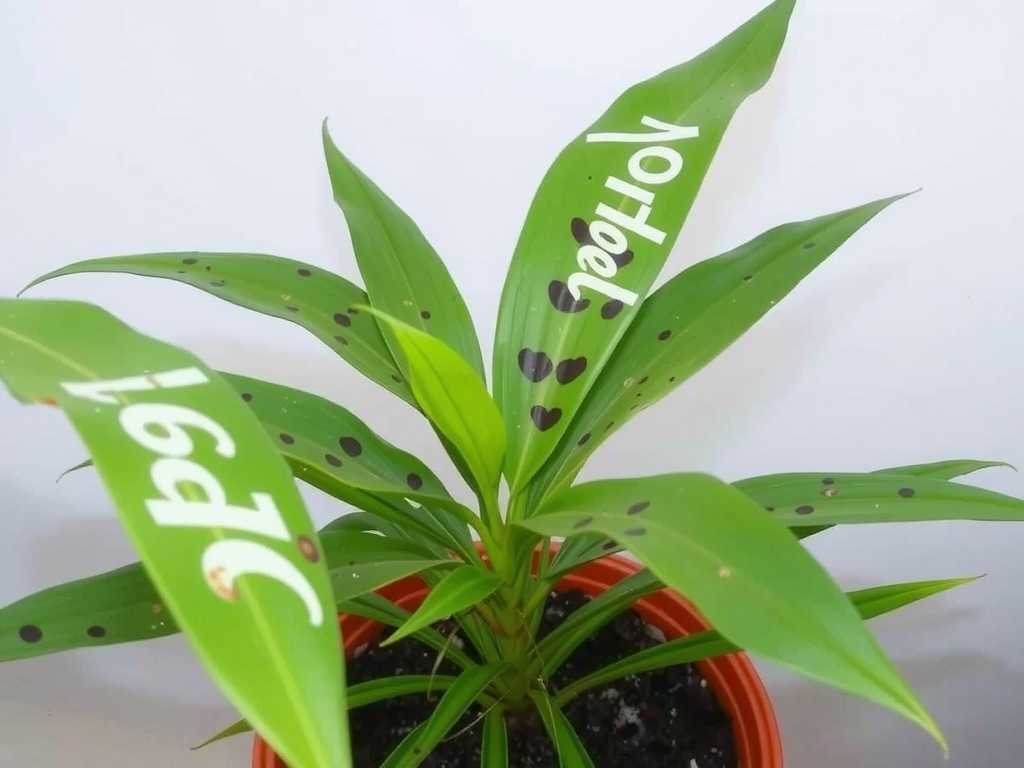
Fungal diseases causing black spots on your spider plant are a manageable setback. By accurately diagnosing the problem, applying the correct fungicide method with care, and committing to improved plant care habits, you can effectively halt the disease and nurture your plant back to vitality. Remember, the goal is not just to treat the current outbreak but to cultivate an environment where fungi struggle to gain a foothold, ensuring your resilient spider plant continues to thrive for years to come.