bluename
 spider plant Is Losing Leaves Severely: Emergency Heat Preservation Measures for Sudden Temperature Changes
Watching your beloved spider plant lose leaves rapidly is alarming. One day it’s lush and full, the next it’s shedding, looking sparse and distressed. Often, this sudden decline is a direct cry for help triggered by abrupt temperature drops or cold drafts. Your plant is in shock. This guide provides immediate, actionable steps to stabilize your spider plant and implement emergency heat preservation measures for sudden temperature changes. We’ll help you diagnose the problem, execute a rescue plan, and restore your plant’s health.
Understanding Why Your Spider Plant Loses Leaves in the Cold
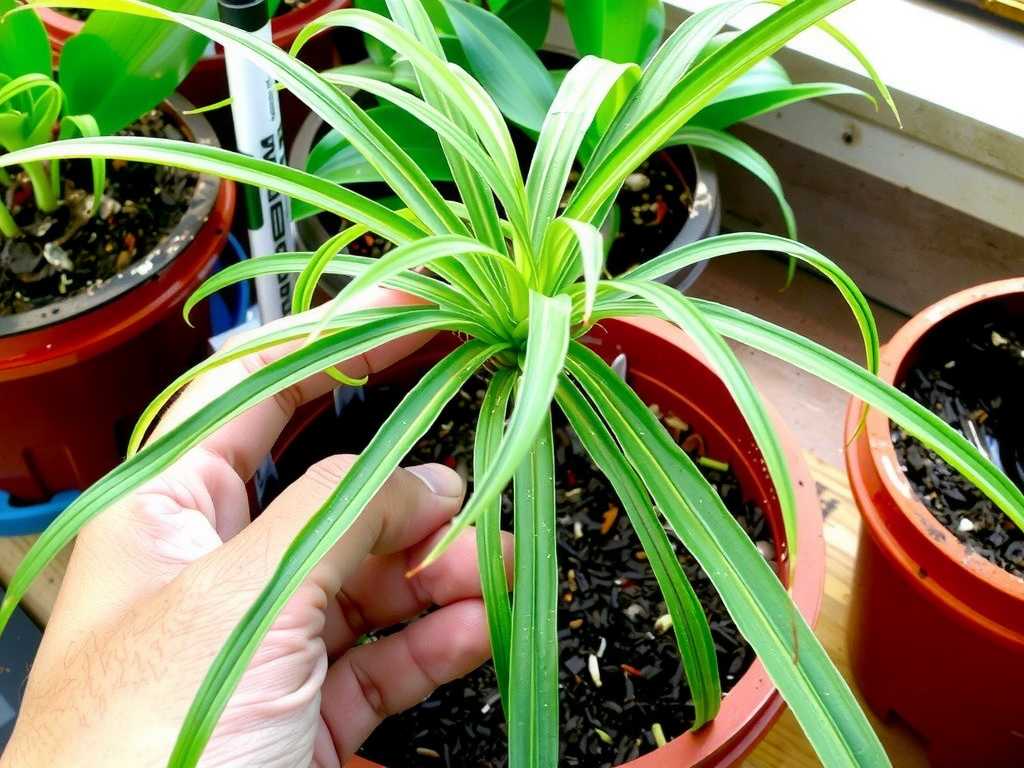
Spider plants (Chlorophytum comosum) are famously resilient, but they have a tropical preference for stable, warm conditions. When temperatures plunge unexpectedly, several physiological stresses occur, leading to severe leaf loss.
Cold damage disrupts the plant’s cellular structure. Ice crystals can form inside the leaves, rupturing cell walls. This damage manifests as soft, mushy, or water-soaked patches that later turn brown and crispy. The plant, in a survival response, will sacrifice these damaged leaves, causing them to yellow and drop off.
Furthermore, cold soil chills the roots, severely hampering their ability to absorb water and nutrients. This creates a deceptive situation where the plant appears underwatered (wilting, browning tips) while the soil may still be moist, a condition often mistaken for neglect. A sudden cold snap is a primary cause of spider plant leaf drop, and recognizing this is the first step toward saving it.
Immediate Emergency Response: First Aid for a Chilled Spider Plant
Act quickly. The faster you mitigate the temperature shock, the more leaves you can save.
Step 1: Relocate to a Warm, Stable Environment Immediately move your spider plant away from cold windows, drafty doors, or unheated rooms. The ideal spot is a bright, interior room with consistent temperatures between 65°F and 75°F (18°C - 24°C). Avoid placing it directly next to a heat vent, as forced hot air is extremely drying.
Step 2: Assess and Trim the Damage Gently examine the leaves. Healthy, firm green leaves should be left alone. Leaves that are completely yellow, brown, mushy, or mostly damaged should be trimmed at the base with clean, sharp scissors. This helps the plant redirect energy to recovery and prevents potential rot from spreading.
Step 3: Evaluate Soil and Watering Check the soil temperature and moisture. If the pot is cold to the touch and the soil is soggy, hold off on watering. Place the pot on a towel in its new warm location to help the root zone gently warm up. Only water when the top inch of soil feels dry, using room-temperature water—never cold.
Proactive Heat Preservation Strategies for Ongoing Protection
Once stabilized, implement these measures to shield your spider plant from future temperature fluctuations.
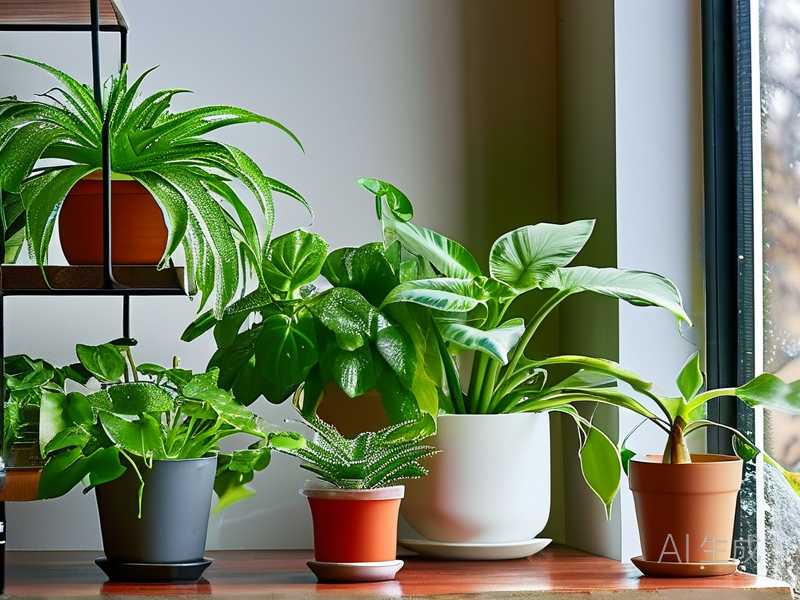
Create a Microclimate with Humidity Grouping plants together naturally increases humidity through transpiration, creating a slightly warmer, more stable microclimate. You can also place the pot on a pebble tray filled with water (ensuring the pot sits above the waterline) or use a small humidifier nearby.
Employ Insulation Techniques For plants near windows, a simple layer of bubble wrap between the pot and a cold windowsill can insulate the roots. During especially cold nights, a lightweight horticultural fleece can be draped over the plant. For a more permanent solution, consider using insulated plant sleeves for your pots.
Optimize Placement and Monitoring Invest in a simple digital thermometer/hygrometer to monitor conditions around your plant. Keep spider plants away from heat sources that cycle on and off, like radiators or ovens, as this creates its own stressful temperature swings. Understanding how to protect spider plants from cold shock involves prevention through smart placement.
Long-Term Care Adjustments for a Recovering Plant
Recovery takes time. After the emergency, adjust your care routine to support regrowth.
Moderate Feeding Do not fertilize a stressed spider plant immediately. Wait until you see consistent new growth, typically after 4-6 weeks. Then, resume with a half-strength, balanced liquid fertilizer monthly during the growing season.
Prudent Watering Water less frequently in cooler, low-light conditions. Always check the soil first. Overwatering a recovering plant in warm, stable conditions is a common secondary mistake.
Patience with Regrowth New leaves will emerge from the center of the plant. Be patient; regrowth may be slow initially. As long as the central crown is firm and green, your plant is on the mend. This period is critical for reviving a spider plant after temperature stress.
Expert Insights on Plant Stress Physiology
Dr. Eleanor Vance, a horticultural physiologist, emphasizes the importance of stability: "Plants, much like people, expend tremendous energy adapting to stress. A spider plant losing leaves is diverting resources from growth to survival. The goal isn't just to warm the plant, but to eliminate the fluctuation. Consistent, appropriate warmth allows it to cease its emergency response and begin healing." Studies from the Royal Horticultural Society support that gradual acclimatization is always preferable to sudden environmental shifts.
Why are the tips of my spider plant turning brown after I moved it away from the cold? Brown tips following cold stress are often a delayed reaction. The cold may have damaged root hairs, reducing water uptake. Even in warm soil, the impaired roots struggle to supply enough moisture to the leaves, causing the tips to dry out. Maintain consistent, moderate watering and trim the brown tips for aesthetics.
Can a spider plant recover from losing almost all its leaves? Yes, it often can. If the central crown and roots are still healthy, the plant can regenerate. Continue providing stable warm temperatures, bright indirect light, and careful watering. It may take several months to regain its full appearance, so patience is key.
What is the minimum safe temperature for a spider plant? Spider plants can tolerate brief periods down to about 35°F (2°C), but they will experience damage. For sustained health, never let temperatures dip below 50°F (10°C). The ideal range for active growth is between 70°F and 90°F (21°C - 32°C).
Seeing your spider plant shed leaves is a clear distress signal, most commonly tied to thermal shock. Success hinges on a swift two-phase approach: execute immediate emergency heat preservation measures for sudden temperature changes to halt the damage, followed by strategic adjustments to its environment for long-term resilience. By understanding the cause of spider plant leaf drop, implementing protective strategies, and nurturing it through recovery, you can rescue your plant and ensure it thrives through many seasons to come.