bluename
 spider plant Root Rot: Your Guide to Unclogging Drainage Holes and Saving Waterlogged Soil
That sinking feeling when you see your once vibrant spider plant looking sad, with yellowing leaves and a general aura of despair, is all too familiar for many plant parents. Often, the culprit behind this decline isn't neglect but a hidden, soggy enemy: waterlogged soil caused by poor drainage. This persistent moisture creates the perfect environment for the dreaded spider plant root rot. While the solution starts with proper watering habits, the real game-changer lies beneath the surface—in the health of your pot’s drainage hole. A clogged drainage hole is a silent killer, trapping water around the roots and leading to decay. This guide will walk you through the essential, often-overlooked task of unclogging drainage holes and restoring the well-drained environment your spider plant craves to thrive.
Understanding the Link Between Drainage and Root Health
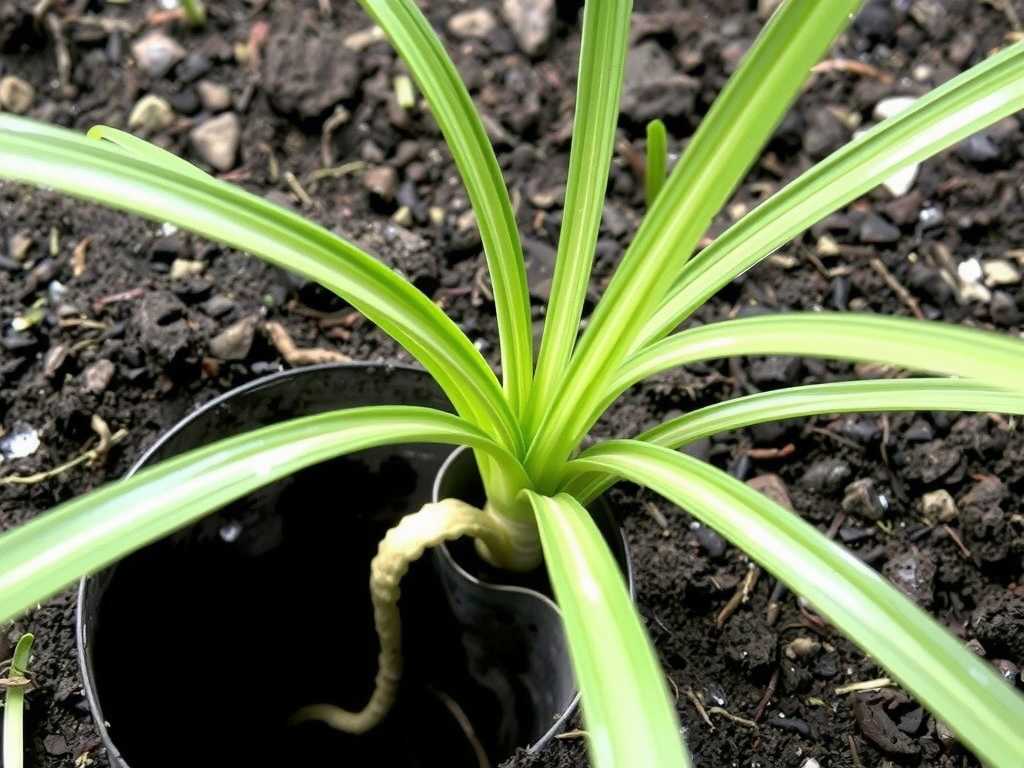
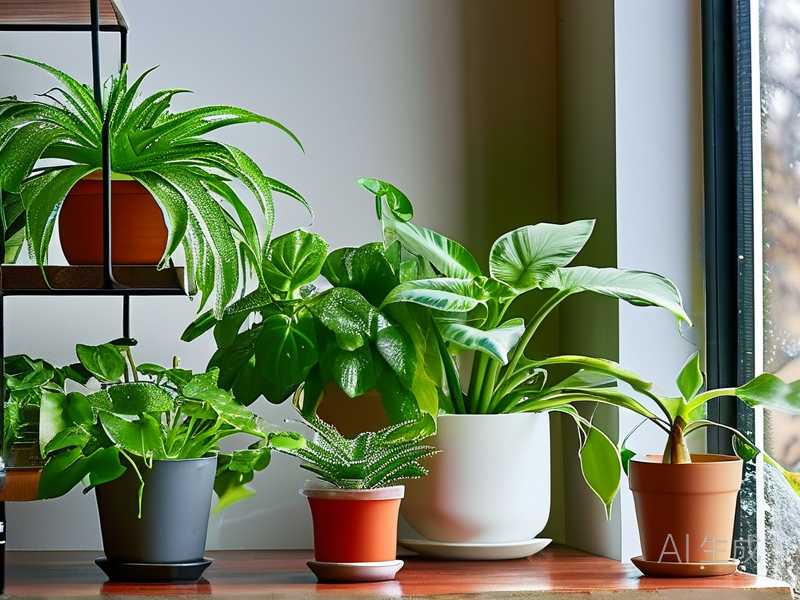
Spider plants (Chlorophytum comosum) are celebrated for their resilience, but their roots are surprisingly sensitive to "wet feet." In their natural habitat, water flows freely through loose, aerated soil. In a pot, we replicate this with a drainage hole. When that hole becomes blocked by compacted soil, decomposed potting mix, or invading roots, water has nowhere to go.
This waterlogging suffocates the roots by pushing out vital oxygen. As noted in horticultural studies on plant pathology, anaerobic conditions (lack of oxygen) in soil are a primary trigger for root rot pathogens to attack. The roots turn from firm and white to mushy, brown, or black, losing their ability to absorb nutrients and water, which manifests as wilting and yellow leaves above the soil. Therefore, maintaining a clear drainage pathway for waterlogged soil isn't just maintenance; it's a critical rescue operation for your plant's root system.
Step-by-Step: How to Unclog a Plant Pot Drainage Hole
Before you begin, gently remove your spider plant from its pot. If the soil is severely waterlogged, you may need to tip the pot on its side and carefully ease the root ball out. Once the plant is out, you can assess both the pot and the roots.
Inspect and Clear the Physical Blockage
Examine the drainage hole. You will likely find a hard plug of soil, mineral deposits (white crusty buildup), or a network of fine roots. For plastic or glazed ceramic pots, use a simple tool like a straightened paperclip, a small screwdriver, or a chopstick to gently poke and scrape the material loose from the hole. For more delicate terracotta pots, use a softer tool like a bamboo skewer to avoid chipping the clay. Work from both the inside and the outside of the pot to ensure the passage is completely open. Rinse the pot thoroughly with water to clear any remaining debris.
Address the Root System: A Crucial Health Check
This is the moment of truth for your spider plant. Gently rinse the root ball with lukewarm water to wash away the old, soggy soil. Carefully inspect the roots. Healthy roots are firm and white or light tan. Roots affected by spider plant root rot will be soft, mushy, dark brown or black, and may have a foul odor. Using sterilized pruning shears or scissors, meticulously cut away all the rotted roots. Be ruthless but precise—only remove the damaged parts. Sterilize your tools with rubbing alcohol between cuts to prevent spreading any potential disease. This process, as expert gardeners emphasize, is essential to stop the rot from progressing and to allow the plant to redirect energy to healthy growth.
Repotting with a Focus on Future Drainage
Clearing the hole is only half the battle. Repotting correctly ensures the problem doesn’t recur.
- Pot Selection: Always use a pot with at least one drainage hole. The new pot should only be 1-2 inches larger in diameter than the remaining healthy root system.
- Create a Drainage Layer (Optional but Helpful): Place a piece of breathable landscape fabric, a coffee filter, or a few small, flat stones over the hole. This prevents soil from washing out while still allowing water to flow—a simple trick to prevent clogged plant holes in the future.
- Use the Right Soil: Fill the pot with a fresh, well-draining potting mix. For spider plants, a standard indoor potting mix blended with 20-30% perlite or coarse sand is ideal. This creates air pockets and improves soil structure, facilitating effective soil drainage.
- Repot: Position your spider plant in the center, fill in around the roots with new soil, and water it lightly to settle. Do not soak it. Place the plant in bright, indirect light and refrain from fertilizing until you see new growth, indicating recovery.
Proactive Measures to Prevent Future Clogging and Waterlogging
Prevention is always simpler than cure. Incorporate these habits into your plant care routine:
- The "Lift and Learn" Method: Instead of watering on a schedule, get into the habit of lifting your pot. A light pot needs water; a heavy one still has moisture. Water deeply only when the top inch or two of soil is dry, and always allow excess water to drain completely from the hole into a saucer. Empty the saucer after 15-20 minutes.
- Annual Root Check: Make it a practice to repot your spider plant every 1-2 years in fresh soil. This refreshes the nutrients, gives you a chance to check the root health, and clear the drainage hole before it becomes a major issue.
- Soil Refresh: Over time, potting soil breaks down and becomes compact. Refreshing the top layer of soil annually or during repotting maintains porosity and drainage capacity.
Frequently Asked Questions
Can a spider plant recover from root rot? Yes, absolutely, if caught early. The key is to act swiftly: remove the plant from the soggy soil, cut away all the soft, rotten roots, and repot it in fresh, well-draining mix. Recovery takes patience; expect a period of adjustment where the plant focuses on regenerating roots before producing new leaves.
How often should I check my pot's drainage holes? Make it part of your seasonal plant care. A quick visual check every time you water (by ensuring water flows out freely) is good. A more thorough physical check and cleaning should be done at least once a year, ideally during spring repotting.
What's the best homemade tool for clearing a clogged drainage hole? A straightened wire coat hanger or a sturdy bamboo skewer is highly effective. For tougher mineral deposits, soaking the pot in a vinegar-water solution for an hour can help dissolve the buildup before you scrub or poke it clear.
By understanding that a clear drainage hole is as vital as sunlight and water, you empower yourself to prevent the common tragedy of root rot. Your spider plant’s health truly depends on the balance you create between moisture and air at the root level. With these unclogging drainage holes tips, you’re not just fixing a pot; you’re securing the foundation for a lush, thriving plant that will produce plenty of happy "spiderettes" for years to come.