bluename
 spider plant Leaf Tip Burn: Your Guide to Using a Humidifier for Healthier Foliage
You've lovingly cared for your spider plant, only to find unsightly brown, crispy tips marring its vibrant green leaves. This common frustration, known as spider plant leaf tip burn, is often a direct cry for help against dry air. While these plants are famously resilient, the low humidity prevalent in many homes, especially during winter months or in air-conditioned spaces, can take a toll. The good news is that this issue is highly treatable. One of the most effective and consistent solutions is the strategic use of a humidifier. This guide will walk you through exactly how to use a humidifier to combat dry air, repair existing damage, and prevent future spider plant leaf tip burn, restoring your plant's lush beauty.
Understanding the Link Between Dry Air and Leaf Tip Burn
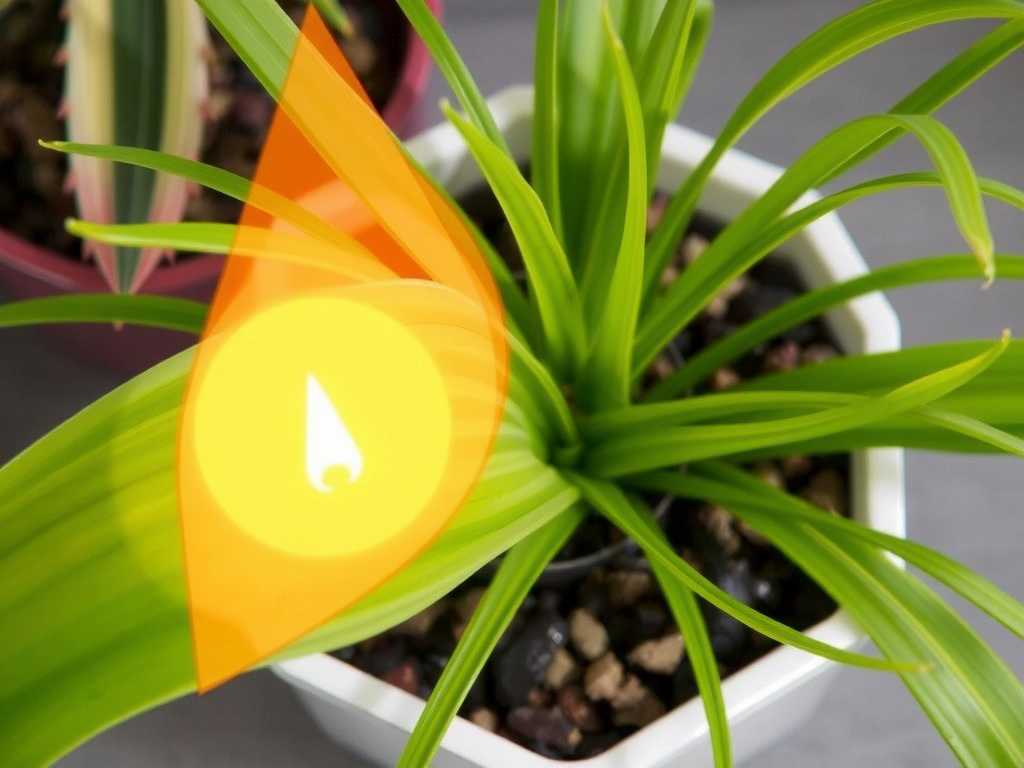
Spider plants (Chlorophytum comosum) originate from the coastal forests of South Africa, an environment that provides them with consistent ambient moisture. Their leaves are designed to absorb humidity from the air. When placed in the arid conditions of a typical heated or cooled home, the rate of moisture loss from the leaf edges exceeds the plant's ability to draw water from its roots. This results in the dehydration and death of the leaf tissue at the very tips and margins, creating those characteristic brown, dry patches.
It's crucial to distinguish this from browning caused by over-fertilization (salt buildup) or fluoride/chlorine in tap water. Tip burn from dry air is typically accompanied by generally dry indoor air, possibly static electricity, and affects the newest growth as well. A humidifier addresses the environmental cause directly, creating a microclimate that mimics the plant's natural preferences.
Choosing the Right Humidifier for Your Spider Plant
Not all humidifiers are created equal, and your choice can impact both effectiveness and maintenance.
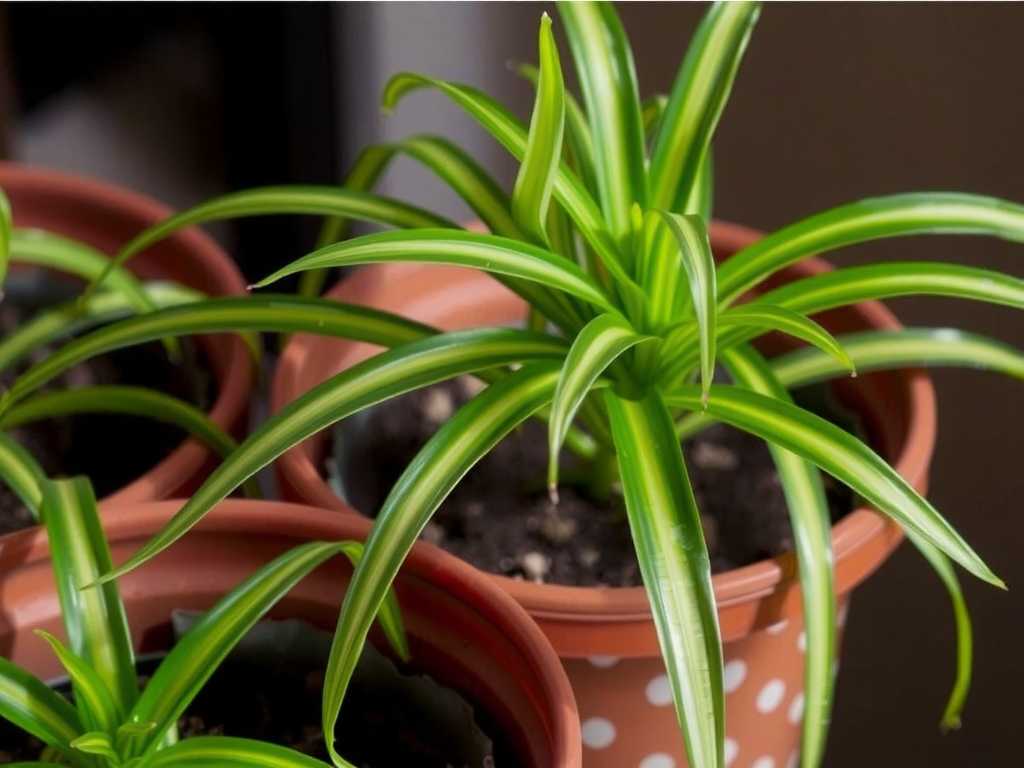
Cool Mist vs. Warm Mist Humidifiers For spider plants and most other houseplants, cool mist humidifiers are generally the recommended choice. They are energy-efficient, safe around children and pets, and effectively increase humidity levels without raising the room temperature. Warm mist humidifiers (vaporizers) boil water to create steam, which can be helpful in cooler rooms but may promote faster mineral dispersion if not used with distilled water.
Key Features to Consider
- Coverage Area: Match the humidifier's output to the size of the room where your plant resides. A model too small won't make a difference; one too large can make the room uncomfortably damp.
- Tank Capacity: A larger tank means fewer refills. For consistent 24/7 operation, consider a tank that lasts at least a full day.
- Humidistat: This built-in hygrometer allows the unit to automatically turn on and off to maintain a set humidity level, preventing over-humidification.
- Ease of Cleaning: Models with wide openings and minimal nooks are essential. Regular cleaning is non-negotiable to prevent mold and bacterial growth, which can harm both plants and people.
Optimal Placement and Humidity Settings
Proper placement is as important as the humidifier itself. The goal is to boost local humidity without creating a wet, soggy environment for the plant's foliage or soil.
Place the humidifier in the same room as your spider plant, but not directly aimed at it or so close that leaves are constantly wet. A distance of 3 to 6 feet away is ideal. Position it on a stable, elevated surface. Ensure there is good air circulation in the room to allow the moisture to disperse evenly. Avoid placing it directly on wooden furniture without a protective tray to prevent moisture damage.
Spider plants thrive in a relative humidity range of 40% to 60%. As noted by horticulturist Dr. Linda Chalker-Scott in her work on plant physiology, maintaining humidity above 40% can significantly reduce transpirational stress in foliage plants. Use a simple digital hygrometer to monitor levels. Start your humidifier at a setting around 50% and observe your plant's response over a few weeks.
Creating a Comprehensive Humidity Strategy
While a humidifier is a powerhouse tool, combining it with other methods creates a robust defense against dry air.
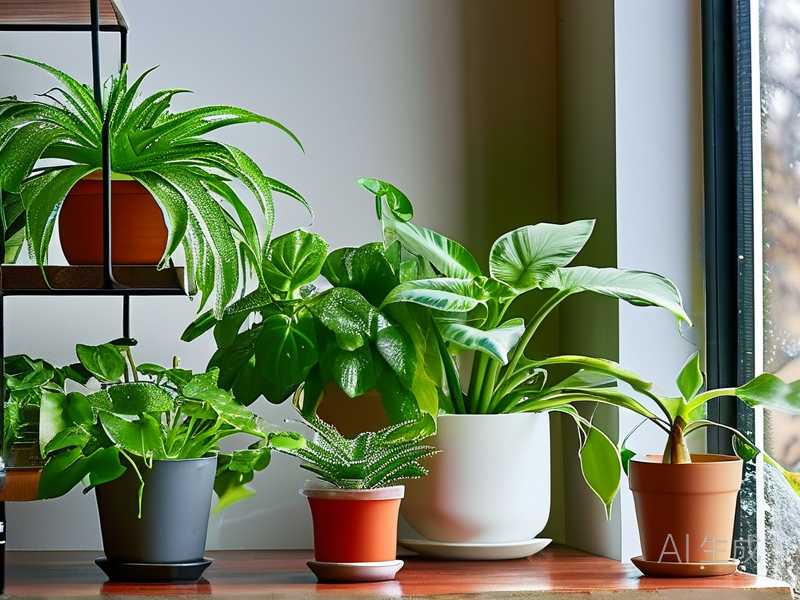
Grouping Plants Together Cluster your spider plant with other humidity-loving plants like pothos, peace lilies, or ferns. As plants transpire, they collectively raise the humidity in their immediate vicinity, creating a beneficial microclimate.
The Pebble Tray Method This is an excellent supplemental technique. Fill a shallow tray with pebbles and add water until it sits just below the top of the stones. Place your spider plant pot on top. As the water evaporates, it increases humidity right around the plant. Remember to keep the pot's drainage holes above the water line to prevent root rot.
Misting: A Temporary Relief Lightly misting your spider plant's leaves can provide temporary relief, but it is not a substitute for a humidifier. The effect lasts only minutes. Over-misting can encourage fungal diseases if foliage remains constantly wet. If you mist, do so in the morning with a fine spray so leaves dry quickly.
Monitoring Progress and Adjusting Care
After implementing your humidifier routine, be patient. New growth will emerge without the tell-tale brown tips, but existing damaged tips will not turn green again. You can snip off the brown parts with clean, sharp scissors, following the natural angle of the leaf for a neat appearance.
Continue to monitor your hygrometer. You may need to adjust the humidifier's output with seasonal changes—running it more in winter and less in humid summer months. Always ensure your spider plant's other care needs are met: bright, indirect light, and watering only when the top inch of soil feels dry. A plant stressed by overwatering or poor light will not fully benefit from corrected humidity.
Why are the tips of my spider plant still turning brown even with a humidifier? If browning persists, double-check your care routine. The most common co-factors are using tap water high in fluoride/chlorine (switch to distilled, rainwater, or filtered water) or over-fertilization. Ensure you are not overwatering, as soggy soil damages roots and prevents water uptake, mimicking drought stress. Also, verify your humidifier is correctly sized for the room and that a hygrometer confirms humidity is staying above 40%.
Can I use a humidifier for all my houseplants? Absolutely. Most common tropical houseplants originate from humid environments and will benefit from increased air moisture. Grouping plants around a single humidifier is an efficient way to care for multiple plants. However, some plants like cacti and succulents prefer dry air and do not require added humidity.
How often should I clean my humidifier, and why is it so important? You should clean and disinfect your humidifier at least once a week, following the manufacturer's instructions. Stagnant water in a tank is a breeding ground for mold, bacteria, and mineral deposits. These contaminants are then aerosolized into the air and can settle on your plant's soil and leaves, potentially causing respiratory issues for you and fungal or bacterial problems for your plants. Using distilled or demineralized water can significantly reduce mineral buildup.
Addressing spider plant leaf tip burn caused by dry air is a clear path from problem to solution. By integrating a well-chosen humidifier into your plant care regimen, supported by smart placement and complementary techniques, you provide the consistent moisture your spider plant craves. The result is not just the prevention of future browning, but the promotion of lush, vigorous growth that showcases the true resilience and beauty of this classic houseplant. Observe, adjust, and enjoy the revitalized health of your greenery.