bluename
 spider plant Stem Rot: Pruning and Disinfection Methods in Early Stages
Discovering soft, discolored stems on your beloved spider plant can send any plant owner into a panic. That telltale sign of spider plant stem rot is a common and serious issue, often stemming from overwatering or fungal infections. If caught early, however, your plant has an excellent chance of recovery. This guide is dedicated to the crucial early-stage interventions—specifically, the precise pruning and disinfection methods that can halt the rot’s spread and save your plant. Acting swiftly and correctly is the key to transforming a potential disaster into a success story of plant rescue.
Understanding Spider Plant Stem Rot: The Early Warning Signs
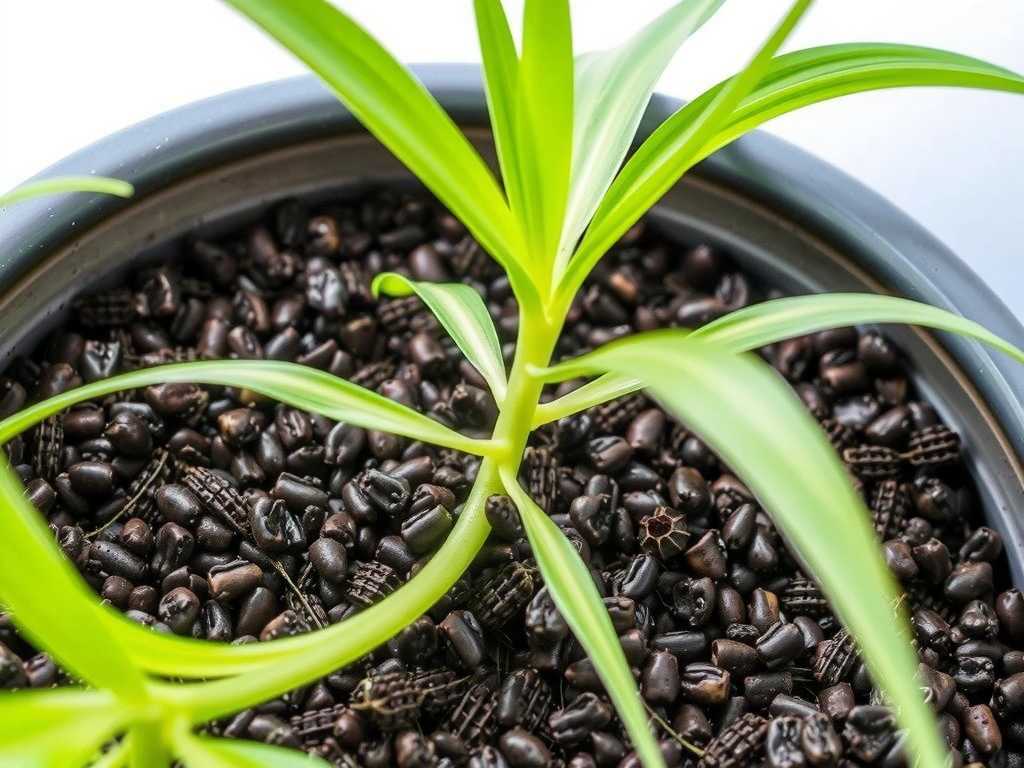
Before you can treat the problem, you must confirm it. Early-stage stem rot in spider plants (Chlorophytum comosum) often begins subtly. The primary culprit is typically excess moisture around the plant's crown or base, creating an ideal environment for soil-borne pathogens like Pythium or Fusarium. According to a pathology report from the American Phytopathological Society, these fungi thrive in waterlogged conditions, attacking the plant's vascular system and causing rapid tissue decay.
The earliest symptoms you might notice include:
- A stem or leaf base that feels mushy or soft to the touch, rather than firm.
- A yellowing or browning that starts at the soil line and moves upward.
- A foul, musty odor emanating from the soil or the base of the plant.
- Leaves that wilt or droop persistently, even when the soil is damp.
Identifying these signs promptly is your first line of defense. The goal of early intervention is to remove the compromised tissue completely before the rot reaches the main root ball or travels to healthy offshoots (spiderettes).
Essential Tools for Safe Pruning and Disinfection
Gathering the right tools before you start is non-negotiable for both the plant's health and your own. Using dirty or blunt tools can worsen the infection.
You will need:
- Sharp, Sterile Pruning Shears or Scissors: Sharp blades make clean cuts that heal faster. Blunt tools crush stems, creating larger wounds.
- Disinfectants: Have options ready for both tools and plant wounds. Rubbing alcohol (isopropyl alcohol, 70%), a hydrogen peroxide solution (3%), or a household bleach solution (1 part bleach to 9 parts water) are effective.
- Clean Paper Towels or Cloth: For drying tools and dabbing plant cuts.
- Fresh, Well-Draining Potting Mix: For repotting after surgery.
- A Clean Pot with Drainage Holes: You may use the old pot only after it has been thoroughly scrubbed and disinfected.
Step-by-Step Guide: Pruning Rotten Stems from Your Spider Plant
This process requires a careful and methodical approach. Follow these steps to ensure you remove all infected material.
1. Remove the Plant and Inspect Gently lift the spider plant from its pot. Carefully shake and brush away the old soil from the roots to get a clear view of the damage. Rinse the roots lightly with lukewarm water if necessary. This initial inspection is critical to assess the extent of the stem rot treatment.
2. Identify and Isolate All Affected Tissue Examine every stem and root. Healthy roots are firm and white or tan. Rotten roots are brown, black, mushy, and may slough off. Infected stems will be discolored and soft. Trace the rot to its highest point on each affected stem.
3. Make Precise, Clean Cuts Here, precision is everything. Sterilize your pruning shears by wiping the blades thoroughly with a cloth soaked in rubbing alcohol. Cut the affected stem at least half an inch above the highest visible point of rot. Ensure the remaining tissue you leave behind is completely firm and healthy-looking. If the rot has traveled down into the crown, you may need to cut away entire sections. Make all cuts at a slight angle.
4. Treat the Remaining Healthy Roots After removing all rotten stems and roots, you must disinfect the remaining healthy plant. Many horticulturists recommend a mild hydrogen peroxide bath. Mix one part 3% hydrogen peroxide with two parts water and soak the root ball for 2-3 minutes. This helps eliminate any lingering surface pathogens. Alternatively, you can dust the fresh cuts with a small amount of cinnamon, a natural fungicide.
5. Disinfect Your Tools Between Cuts This is a vital step often overlooked. After each cut into infected tissue, re-sterilize your shears before cutting again. This prevents you from accidentally transferring pathogens from a rotten section to a healthy one you cut next. Keep your alcohol cloth handy throughout the procedure.
Post-Pruning Care and Recovery
Your plant is now in recovery mode and needs a clean, supportive environment.
1. Repot in Fresh Soil Never reuse the old, contaminated soil. Choose a pot that is clean and has adequate drainage holes—sometimes the original pot is too large for the reduced root system, which can hold excess moisture. Fill it with a fresh, well-draining potting mix; a cactus or succulent blend amended with perlite is excellent for spider plants at this stage.
2. The Critical Watering Protocol Overwatering caused the initial problem, so your watering strategy must change. After repotting, water the plant lightly just to settle the soil. Then, allow the soil to dry out significantly more than usual between waterings. Always check that the top inch or two of soil is dry before considering another drink. A moisture meter can be a helpful tool for managing spider plant diseases during recovery.
3. Provide Optimal Recovery Conditions Place your pruned spider plant in a location with bright, indirect light. Avoid direct sun, which can stress the already vulnerable plant. Hold off on fertilizing for at least 6-8 weeks; the fresh soil has nutrients, and fertilizers can burn tender new roots. The goal is to minimize stress and allow the plant to focus its energy on regenerating healthy roots and stems.
How to Prevent Future Stem Rot Episodes
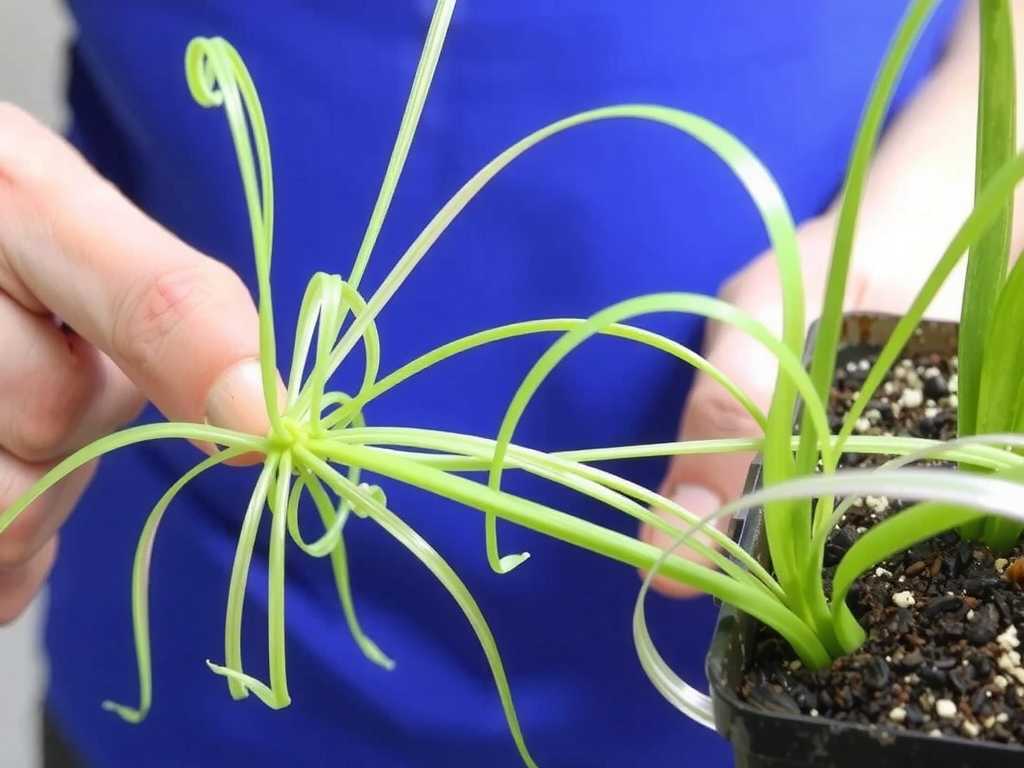
Prevention is always simpler than cure. Integrate these practices to keep your spider plant thriving.
- Master the "Soak and Dry" Method: Water thoroughly until it runs from the drainage holes, then let the soil dry out partially before watering again.
- Use the Right Soil and Pot: Always plant in a mix that drains quickly and in a pot with drainage holes. Terracotta pots are ideal as they allow soil to dry faster.
- Ensure Good Air Circulation: Don’t crowd your plants. Good airflow around the foliage helps keep humidity levels in check and discourages fungal growth.
- Quarantine New Plants: Isolate new additions to your plant collection for a few weeks to ensure they aren’t carrying pests or diseases.
Frequently Asked Questions
Can a spider plant recover from severe stem rot? Recovery depends on how much healthy tissue remains. If the rot has consumed the entire central crown and all roots, recovery is unlikely. However, if you have at least a few healthy, firm stems with some attached roots, there is a strong chance of success using the pruning and disinfection methods outlined above. Spider plants are remarkably resilient.
Should I use rooting hormone on the cuts after pruning? It is not necessary and is generally not recommended for treating rot. Rooting hormone is designed to stimulate root growth on cuttings, not to protect against disease. Your priority is disinfection. Using a hormone on a potentially contaminated wound could seal in pathogens. Focus on letting the clean cuts callous over naturally in a dry environment.
How often should I check my spider plant for signs of rot? Incorporate a quick check into your regular watering routine. When you feel the soil to assess moisture, also gently feel the base of a few stems for firmness. Look for any sudden yellowing or wilting. Early detection, often through simple tactile and visual inspection, makes all the difference in successful treatment.
Spotting spider plant stem rot early is a test of a plant owner’s attentiveness, but it doesn’t have to be a death sentence. By combining immediate action with precise pruning and disinfection methods, you can effectively halt the disease’s progress. The process of removing all compromised tissue, sterilizing the remaining plant, and providing a fresh start in well-draining soil gives your spider plant the foundation it needs to regenerate. Remember, the lessons learned in recovery—particularly mastering proper watering and providing the right soil environment—will lead to a healthier, more vigorous plant that is far more resistant to future problems. Your proactive care is the most powerful tool against rot.