bluename
 spider plant Pest Infestations Recur: A Thorough Solution with High-Temperature Soil Sterilization
You’ve meticulously pruned the brown tips, adjusted your watering schedule, and even tried natural sprays. Yet, those tiny pests—fungus gnats, mealybugs, or spider mites—keep coming back to haunt your beloved spider plant. This cycle of spider plant pest infestations recur is frustratingly common and points to a hidden culprit often overlooked: the soil itself. Eggs, larvae, and pathogens can lie dormant in the potting mix, surviving surface-level treatments only to emerge and restart the infestation cycle. To achieve a truly pest-free plant, you must address the root of the problem. This guide delves into a definitive, science-backed method to break this cycle: thorough high-temperature soil sterilization.
Why Your Spider Plant Pests Keep Coming Back
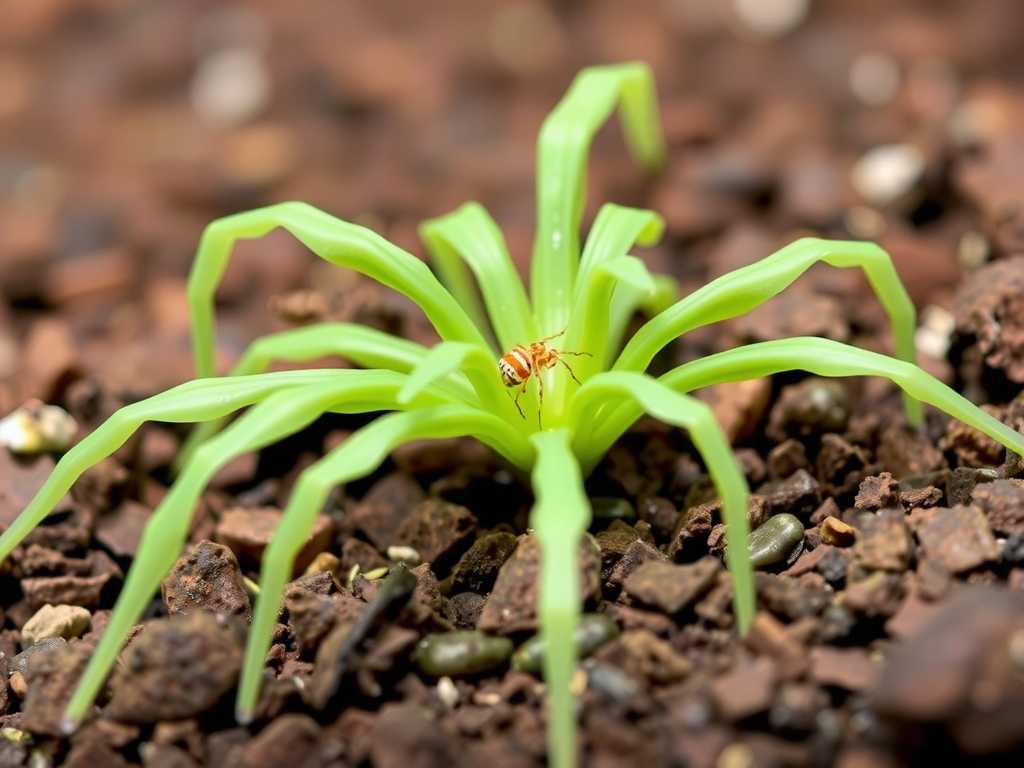
Conventional pest control often treats the symptoms—the visible adults on leaves and stems. However, many common spider plant pests complete part of their life cycle within the soil.
- Fungus Gnats: Adults are a nuisance, but the real damage is done by larvae in the soil, which feed on organic matter and roots.
- Mealybugs: While they cluster on foliage, their egg sacs can be hidden in the top layer of soil or on the root ball.
- Soil-Borne Pathogens: Fungi and bacteria causing root rot create a weakened plant, making it more susceptible to pest attacks.
Simply repotting with fresh, store-bought potting mix is not always a solution. Surprisingly, commercial potting soils are not sterile; they can harbor pests, mold spores, and other contaminants. This is why a thorough solution for recurring pests must include treating the growing medium at its core.
Understanding High-Temperature Soil Sterilization: The Science of a Clean Start
Soil sterilization is the process of using heat to eliminate living organisms in the soil, including pests, their eggs, weed seeds, and harmful fungi and bacteria. It’s a principle used in professional agriculture and horticulture to ensure a clean start.
The goal is not to create "dead" soil devoid of all life, but to eliminate the harmful biology. Beneficial microbes will recolonize over time, especially if you reintroduce them later. The key is reaching and maintaining a specific temperature range long enough to be lethal to target organisms. Most soil pests and pathogens are eliminated when the soil is consistently held at 160°F (71°C) for 30 minutes.
Methods for Effective High-Temperature Soil Sterilization at Home
You don’t need a lab to sterilize soil effectively. Here are practical, accessible methods. Crucially, always work in a well-ventilated area and monitor the process closely to prevent overheating, which can produce toxins and damage soil structure.
1. The Oven Method (Most Precise) This method offers excellent temperature control.
- Preparation: Moisten your potting soil to a damp, crumbly consistency (like a wrung-out sponge). Dry soil can become a fire hazard and won’t conduct heat evenly.
- Process: Spread the soil evenly in a deep, oven-safe dish or roasting pan, covered loosely with aluminum foil. Insert a meat or candy thermometer into the center of the soil mass. Preheat your oven to 200°F (93°C).
- Sterilization: Place the dish in the oven. Monitor the thermometer until the soil’s core reaches 180°F (82°C). Then, maintain this temperature for 30 minutes. Avoid letting the soil exceed 200°F (93°C).
- Cooling: Turn off the oven, leave the door slightly ajar, and let the soil cool completely inside for several hours or overnight before use. The soil will have a distinct, earthy smell during this process.
2. The Microwave Method (Fast for Small Batches) Ideal for sterilizing small quantities of soil for a single repotting.
- Preparation: Fill a microwave-safe, vented container (like a covered casserole dish with a vent or lid slightly ajar) with damp soil.
- Process: Place a cup of water in the back corner of the microwave to prevent the soil from drying out and to distribute heat. Microwave on high. A common guideline is to microwave for 90 seconds per kilogram (roughly 2.2 lbs) of soil, but this varies.
- Check: Carefully check the soil temperature with a thermometer. Ensure the center has reached at least 160°F (71°C). If not, microwave in additional 30-second intervals, checking each time.
- Cooling: Let the soil stand, covered, in the microwave until completely cool.
3. The Solarization Method (Passive and Natural) This is a slower, energy-free technique best for larger soil volumes in warm, sunny climates.
- Preparation: Place moist soil in a clear, heavy-duty plastic bag or a black plastic bin covered with clear plastic sheeting.
- Process: Seal the bag or tape the sheeting tightly. Place it in direct, full sun for 4-6 weeks during the hottest part of the year. The sun’s heat will create a greenhouse effect, raising temperatures high enough to kill pests and pathogens over time.
A Step-by-Step Guide: Integrating Soil Sterilization into Spider Plant Pest Eradication
Merely sterilizing soil is one part of a holistic pest eradication protocol. Follow this integrated approach for lasting success.
Step 1: Isolate and Treat the Plant Remove the spider plant from its pot. Gently wash all soil from the roots under a gentle stream of lukewarm water. Prune away any dead or mushy roots. Soak the entire root ball in a mild insecticidal soap solution or a diluted hydrogen peroxide bath (1 part 3% H2O2 to 4 parts water) for 10-15 minutes to kill any pests on the roots.
Step 2: Sterilize the Pot and Tools Scrub the old pot thoroughly with soapy water and then disinfect it by soaking in a 10% bleach solution or wiping with isopropyl alcohol. Sterilize your pruning shears and trowels as well. This prevents re-contamination.
Step 3: Sterilize or Replace the Soil
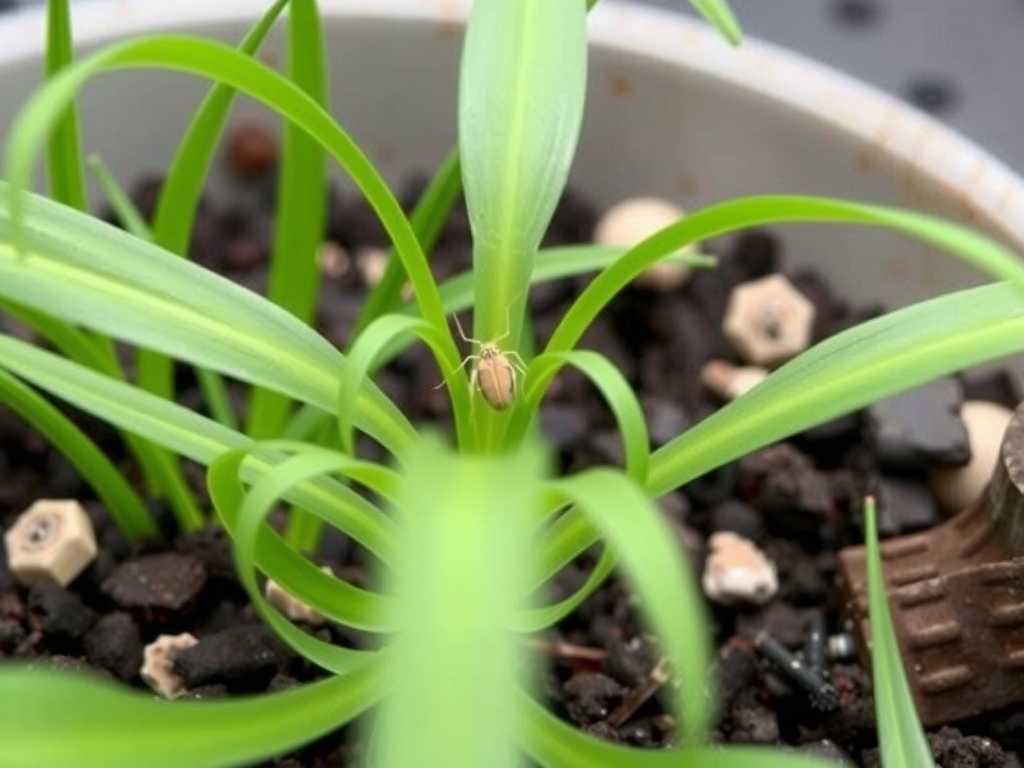
- Option A (Recommended): Sterilize the old potting mix using one of the high-temperature methods described above. This is cost-effective and sustainable.
- Option B: Use a fresh, high-quality potting mix. For added security, you can still choose to sterilize even new commercial soil before use.
Step 4: Repot with Care Place a layer of sterile soil in the clean pot. Position your cleaned spider plant and fill in around the roots with more sterile soil. Water lightly to settle.
Step 5: Post-Treatment Care and Prevention Keep the plant in isolation for a few weeks to monitor for any surviving pests. Avoid overwatering, as damp sterile soil is initially devoid of competing organisms and can be susceptible to rapid pathogen recolonization. After a month, consider adding a mycorrhizal or beneficial bacteria inoculant to support a healthy soil ecosystem.
Addressing Common Concerns and Questions
Will sterilizing the soil harm my spider plant? No, if done correctly. The process targets pests and pathogens, not the plant. Using overly high temperatures (above 200°F/93°C) can cause chemical changes in the soil, releasing compounds harmful to plants. Precise temperature control is key. The plant benefits from a pest-free root environment.
Can I just bake soil in the oven without a thermometer? It is strongly discouraged. Guessing the temperature risks under-sterilizing (pests survive) or over-heating (damaging soil and plant). A simple kitchen thermometer is an essential, low-cost tool for this process to ensure it is a thorough solution for recurring pests.
How often should I sterilize my spider plant’s soil to prevent infestations? Soil sterilization is not a routine maintenance task. It is a powerful, occasional intervention. Use it when you are dealing with a persistent, recurring infestation that hasn’t responded to other treatments. For prevention, focus on optimal care: proper watering, good light, and regular inspection of your plant.
Breaking the frustrating cycle of recurring pests requires a decisive, deep-cleaning approach. By understanding that the soil itself can be the reservoir for reinfestation and employing the targeted method of high-temperature soil sterilization, you move beyond temporary fixes. This protocol, combining plant treatment, tool sanitation, and soil cleansing, addresses the root cause. It empowers you to give your resilient spider plant a truly fresh, healthy foundation, finally ending the battle against persistent pests and allowing your plant to thrive in peace.