bluename
 Why Are My spider plant Leaves Pale? The Ultimate Guide to Grow Light Selection for Insufficient Light
You’ve nurtured your spider plant, expecting its signature vibrant green and white stripes. Instead, you’re met with a disappointing sight: pale, washed-out, or even yellowing leaves. This loss of color is a classic distress signal. While overwatering or nutrient issues can sometimes be the culprit, insufficient light is one of the most common reasons spider plants lose their lush hue. In low-light conditions, the plant produces less chlorophyll, the green pigment essential for photosynthesis. The result? Faded, lackluster foliage.
This guide is your solution. We will demystify artificial lighting, helping you select the perfect grow light to restore your spider plant’s vitality and vibrant color.
Understanding Your Spider Plant’s Light Needs
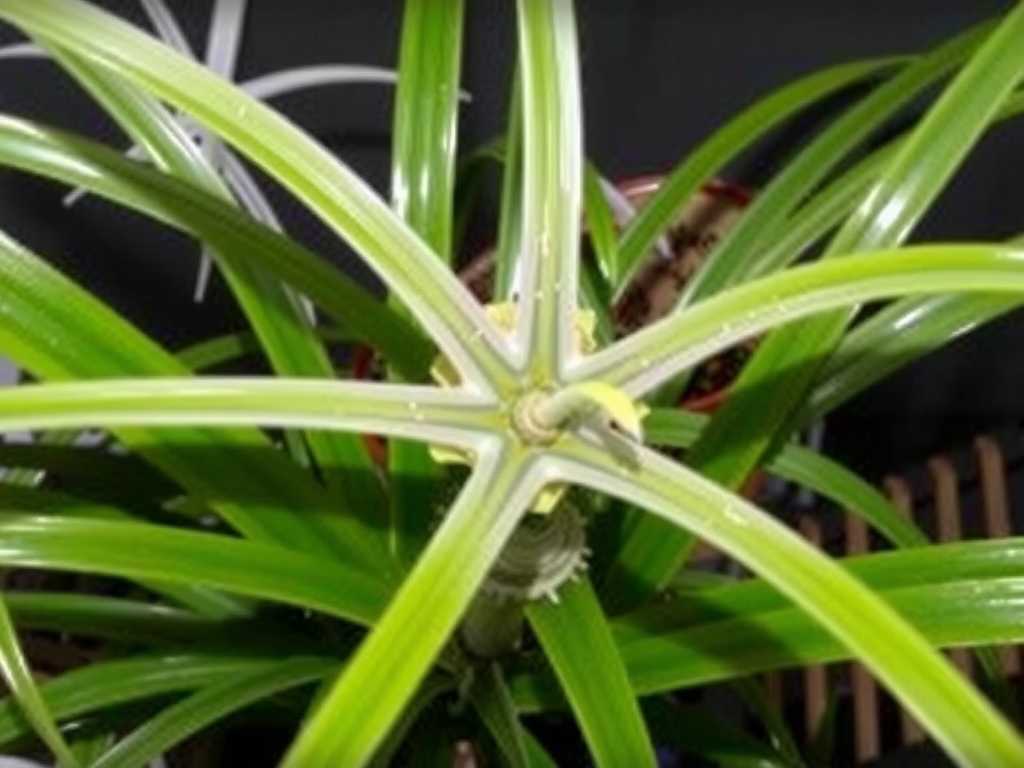
Spider plants (Chlorophytum comosum) are often labeled as “low-light tolerant.” This label is misleading. “Tolerant” means they will survive, not thrive. In their natural habitat, they receive bright, indirect light. When placed in a dim corner, their growth slows, variegation fades (especially on varieties like ‘Vittatum’), and they may stop producing their iconic spiderettes, or plantlets.
A pale spider plant is essentially light-starved. It’s struggling to capture enough photons to fuel its basic functions. Providing the correct supplemental light mimics its ideal environment, triggering a return to vigorous growth and rich coloration.
Decoding Grow Light Specifications: What Really Matters for Spider Plants
Navigating grow light specs can feel technical. Let’s break down the key factors for a healthy spider plant.
Light Spectrum: The Color of Growth
Sunlight contains a full spectrum of colors. For photosynthesis, plants primarily use blue and red light.
- Blue Light (400-500 nm): Crucial for healthy leaf development, compact growth, and maintaining strong green color. It’s the key to reversing pale leaves.
- Red Light (600-700 nm): Promotes flowering and the development of plantlets (spiderettes). A balanced spectrum ensures overall health.
- Full-Spectrum White Lights: These are ideal for houseplants. They appear white to the human eye but contain balanced blue and red wavelengths. They are less intrusive in home decor and perfectly suited for correcting pale foliage and encouraging growth.
Intensity (PPFD): The Brightness Metric
Intensity, measured as Photosynthetic Photon Flux Density (PPFD), tells you how many usable light particles hit the plant per second. Think of it as the “brightness” your plant feels.
- Spider Plant Target: A PPFD of 50-150 µmol/m²/s is sufficient for maintaining and rejuvenating a spider plant. Lights designed for “low-light plants” or “foliage plants” typically fall within this range.
Duration: Creating a Consistent Day Cycle
Consistency is vital. Use a timer to automate your light schedule.
- Recommended Photoperiod: Provide 12-14 hours of light per day. This mimics a long summer day, giving your plant ample time to photosynthesize without causing stress from a never-ending “day.”
How to Choose the Best Grow Light for Your Pale Spider Plant
Now, let’s apply this knowledge. Here are the most practical and effective grow light types for home use.
LED Grow Lights: The Modern, Efficient Choice
LED panels or bulbs are the top recommendation for most indoor gardeners. They are energy-efficient, long-lasting, and produce little heat.
- Why They Work: You can easily find full-spectrum LED grow lights that emit a pleasant white light. They provide the ideal blue/red balance to green up pale leaves. Their low heat output allows you to place them closer to the foliage without risk of burning, ensuring your plant gets adequate intensity.
- Selection Tip: Look for a “full-spectrum” LED bulb or a small panel. A simple 10-20 watt LED bulb in a desk lamp can work wonders for a single plant.
Fluorescent Lights: A Proven, Budget-Friendly Option
T5 or T8 fluorescent tubes have been used for plant starters for decades.
- Why They Work: They offer a good spectrum for leafy growth and are relatively inexpensive to purchase. A two-bulb fixture with one “cool white” and one “warm white” tube creates a decent full-spectrum blend.
- Selection Tip: They are best for shelves or setups where you have multiple plants. Ensure the fixture is placed 6-12 inches above the plant for sufficient intensity.
Placement and Distance: Avoiding Further Stress
Getting the distance right is critical for effective light therapy.
- LEDs: Start with the light 12-18 inches above the top leaves. Observe for a week. If growth remains slow or color doesn’t improve, move it slightly closer.
- Fluorescents: Place these 6-12 inches from the foliage.
- Warning Sign: If leaves develop brown, crispy tips or spots, the light may be too intense or too close, causing light burn. Simply raise the fixture.
Implementing Your Grow Light Solution: A Step-by-Step Rescue Plan
- Assess and Clean: Gently wipe your spider plant’s leaves with a damp cloth. Dust blocks light. Cleaning maximizes every bit of natural and artificial light it receives.
- Position the Light: Set up your chosen grow light based on the distance guidelines above. Angle it to cover the entire plant evenly.
- Set the Timer: Program your timer for a 13-hour daily cycle (e.g., 7 AM to 8 PM). This consistency reduces plant stress.
- Monitor and Adjust: This is a marathon, not a sprint. Within 3-4 weeks, you should see signs of improvement: a deeper green color emerging from the center, new growth appearing darker, and overall plant firmness. Adjust the light height only if no improvement is seen after one month.
- Support with Proper Care: While the light works, ensure you are not overwatering. Allow the top inch of soil to dry out. Consider a light feeding with a balanced, water-soluble fertilizer (diluted to half strength) once a month during the growing season to support new growth.
Expert Insight: Dr. Lily Chen, a horticultural physiologist, notes, “When we correct light deficiency, we must be patient. The plant must redirect energy to produce new chlorophyll and foliage. The first visible sign is often a ‘greening up’ of the stem and leaf bases, followed by new, richly colored leaves.”
Will a regular lamp or ceiling light work as a grow light? Standard incandescent or household LED bulbs lack the necessary spectrum and intensity for meaningful plant growth. They emit light designed for human vision, not photosynthesis. While they might prevent a plant from deteriorating further in very low light, they are unlikely to correct pale leaves. A dedicated full-spectrum grow light is necessary for true recovery.
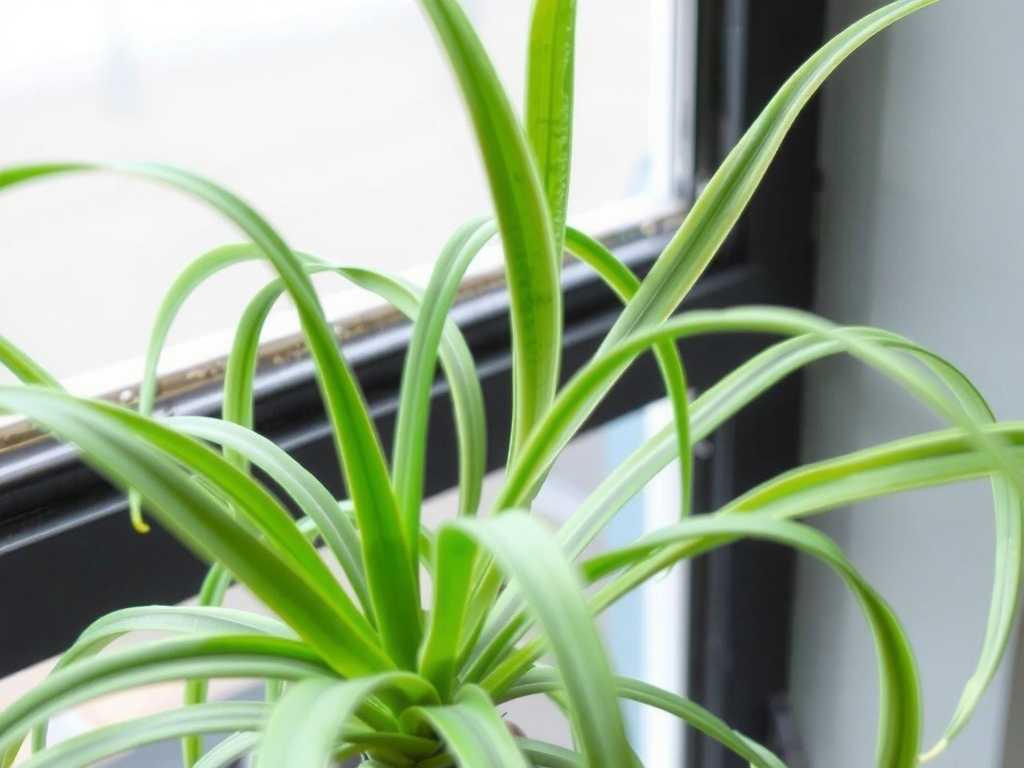
How long will it take to see my spider plant’s color return? With appropriate grow light supplementation, you can expect to see noticeable improvement in 3 to 6 weeks. The plant will first stabilize, then begin producing new, darker green leaves. Older, severely pale leaves may not fully recover their color but will be supported by the new, healthy growth.
Can I give my spider plant too much artificial light? Yes. While “too much light” is less common indoors than insufficient light, photoperiod is key. Providing more than 16 hours of light daily can disrupt the plant’s rest cycle and cause stress. Stick to a 12-14 hour schedule. Signs of too much intensity (light too close) include bleached spots or crispy, brown leaf tips, similar to sunburn.
Reviving a pale spider plant is a clear and achievable process. By understanding the cause—insufficient light—and implementing a targeted solution with the right full-spectrum grow light, you provide the essential energy your plant craves. Consistent, quality light, paired with proper care, will transform your faded spider plant back into a vibrant, thriving centerpiece of your indoor garden. Watch as those pale leaves give way to a lush, deep green, and soon, you may even be rewarded with a cascade of healthy new spiderettes.