bluename
 spider plant New Shoots Wither? Your Humidity Might Be the Culprit
You've nurtured your spider plant with care, watching proudly as it sends out long, arching stems and delicate new shoots. But then, the excitement turns to concern. Those promising new shoots, instead of flourishing, begin to wither, turn brown, or crisp up at the tips. It's a frustrating and common problem for indoor gardeners. Before you question your watering schedule or light conditions, there's one often-overlooked factor to consider: your home's humidity. This guide will delve into why insufficient humidity causes spider plant new shoots to wither and provide actionable spray humidification tips to restore your plant's vitality.
Understanding the Spider Plant's Natural Habitat
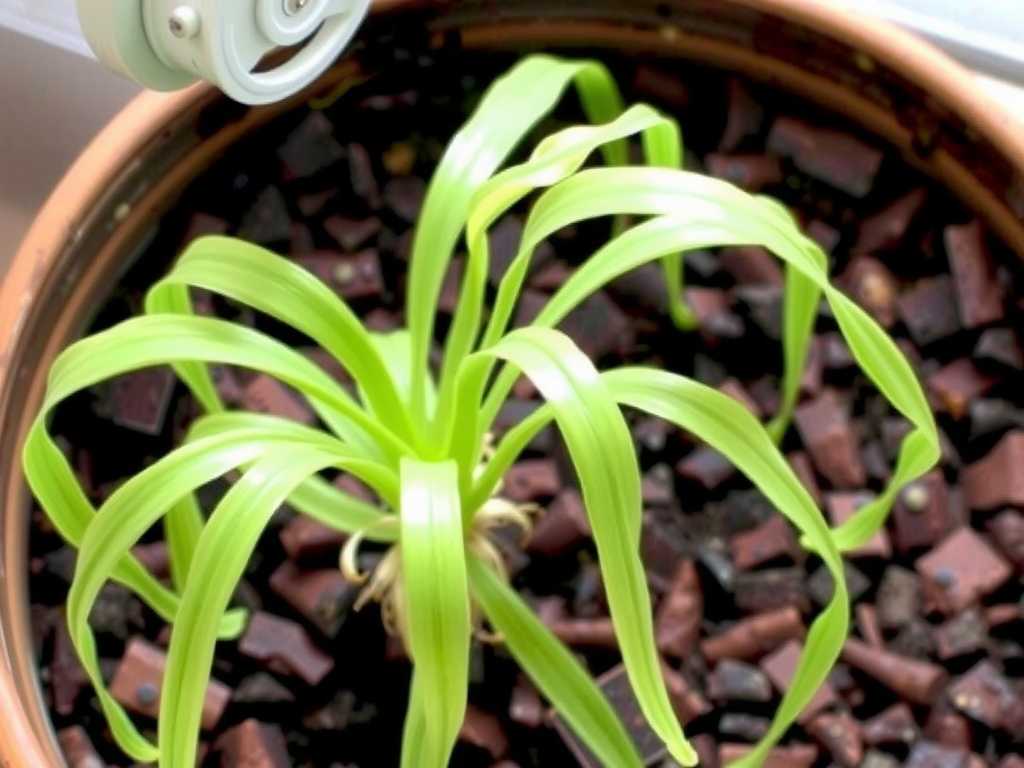
To understand the problem, we must look at the spider plant's origins. Chlorophytum comosum, native to the tropical and southern regions of Africa, thrives in warm, humid environments under forest canopies. In these settings, the air is consistently moist. Our modern homes, especially those with air conditioning in summer and heating in winter, often have humidity levels plummeting to 30-40%, a stark contrast to the 50-60%+ these plants prefer. When the air is too dry, the plant loses moisture through its leaves faster than the roots can absorb it. The most vulnerable parts—the tender, fast-growing new shoots—are the first to show signs of stress through withering and browning.
Why Low Humidity Specifically Targets New Shoots
New growth on a spider plant is exceptionally tender and has a high surface area relative to its volume. Its cellular structures are not yet fully hardened or protected by thicker leaf cuticles found on mature leaves. In dry air, transpiration (water loss from leaves) accelerates. The roots simply cannot supply water quickly enough to these rapidly developing tissues, leading to cellular collapse. This manifests as the shoots appearing limp, withered, or developing dry, brown tips—a clear distress signal of insufficient humidity.
Effective Spray Humidification Tips for Your Spider Plant
While simply misting your plant is a common suggestion, effective humidification requires a strategic approach to truly combat dry air and prevent new shoots from withering.
1. The Right Way to Mist: Technique and Timing Misting, when done correctly, provides a temporary microclimate of moisture. Use a clean, fine-mist spray bottle filled with room-temperature distilled or filtered water. Tap water can leave mineral deposits on leaves. Lightly mist the air around the plant and the undersides of the leaves in the morning. This allows water droplets to evaporate throughout the day, mimicking natural dew. Avoid heavy drenching that leaves water sitting in the crown (center) of the plant or on new shoots overnight, as this can encourage fungal rot. Horticulturist Dr. Linda Chalker-Scott notes in her research that while misting alone rarely raises overall room humidity significantly, it can provide critical localized relief for tender foliage when combined with other methods.
2. Creating a Humidity Tray: A Simple, Continuous Solution This is one of the most effective and low-maintenance humidification tips. Fill a shallow tray with pebbles or gravel and add water until it sits just below the top of the stones. Place your spider plant pot on top, ensuring the pot's base is not sitting directly in the water. As the water evaporates, it creates a constant, gentle bubble of humidity directly around your plant. This method provides a more stable humid environment than intermittent misting and is highly recommended for preventing new shoots from drying out.
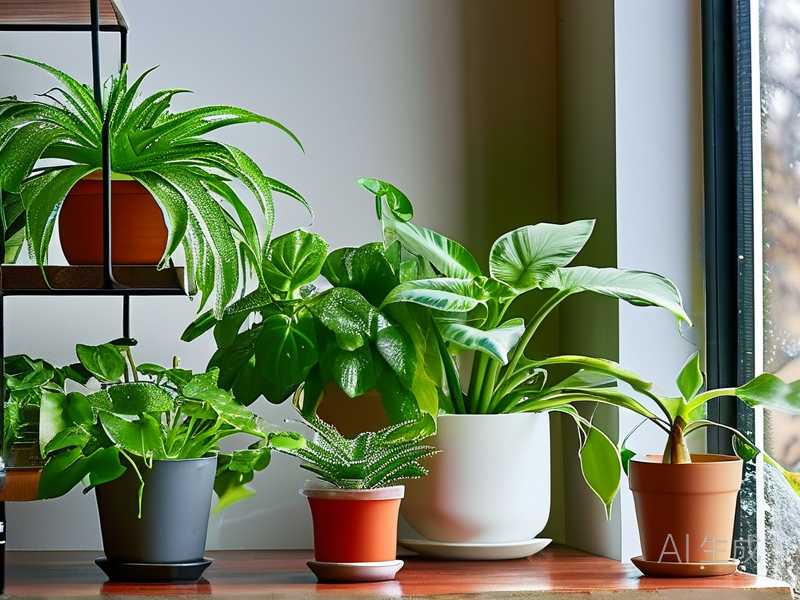
3. Strategic Plant Grouping: A Community Approach Plants naturally release moisture through transpiration. Grouping several houseplants together creates a collective microclimate with higher humidity. Cluster your spider plant with other humidity-loving plants like ferns, peace lilies, or pothos. The combined transpiration from the group will benefit all members, offering a passive and aesthetically pleasing way to maintain better moisture levels in the air.
4. When to Consider a Room Humidifier For severe cases or in exceptionally dry climates, a room humidifier is the ultimate solution. It allows you to control the ambient humidity level precisely, aiming for that ideal 50-60% range. This not only benefits your spider plant's new shoots but also your own respiratory health and other humidity-sensitive plants. Place the humidifier in the same room but not directly aimed at the plant to avoid over-saturation.
Integrating Humidification into Your Overall Care Routine
Humidification is not a standalone cure. It must work in harmony with proper care.
- Watering: Ensure you are watering correctly—allowing the top inch of soil to dry out between thorough waterings. A plant stressed by both under-watering and low humidity will decline rapidly.
- Light: Provide bright, indirect light. Direct hot sun can scorch leaves and exacerbate moisture loss.
- Inspection: Regularly check for pests like spider mites, which thrive in dry conditions and can cause damage that mimics humidity-related withering.
Addressing Common Concerns
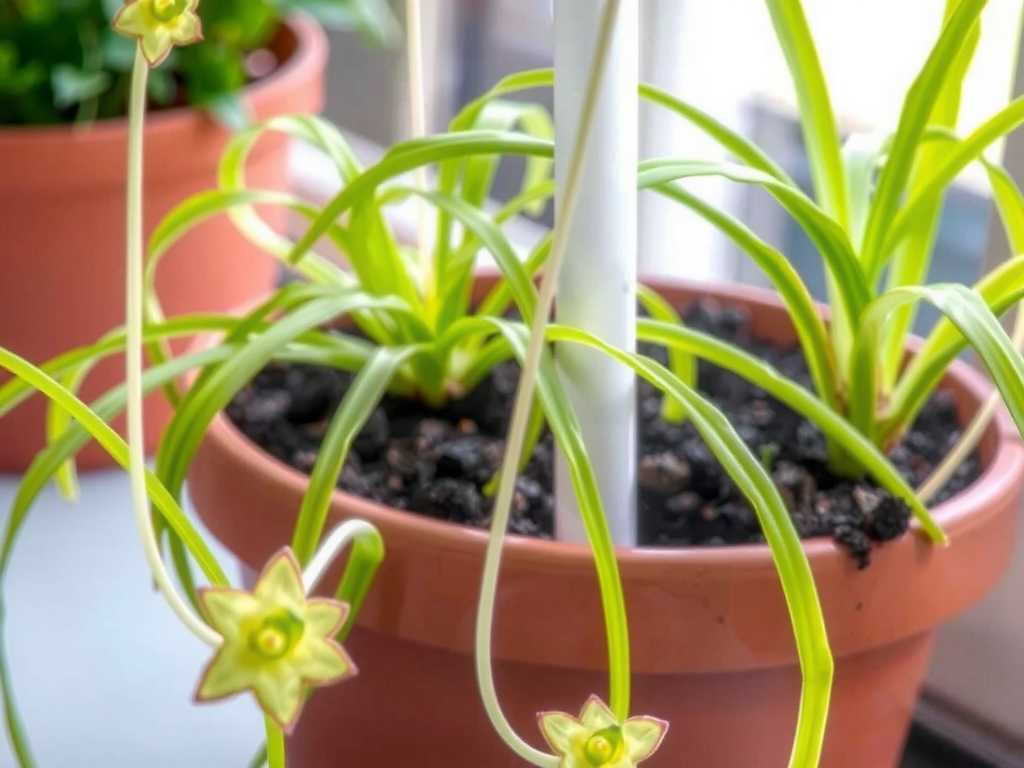
Can I just cut off the withered new shoots? Yes, it is safe and often recommended. Using clean, sharp scissors, trim the withered portion back to a healthy point. This improves the plant's appearance and allows it to redirect energy into producing new, healthy growth once the humidity issue is corrected.
Will misting alone solve the problem if my air is very dry? For chronically dry environments, misting alone is usually insufficient as its effects are very short-lived. It is best used as a supplemental measure alongside a pebble tray or humidifier for meaningful, lasting results that protect delicate new shoots.
How can I measure the humidity in my home? A simple, inexpensive device called a hygrometer can give you an accurate reading of your room's relative humidity. This takes the guesswork out of plant care and helps you tailor your humidification strategy effectively.
Seeing your spider plant's new shoots wither can be disheartening, but it is a solvable problem. By understanding the critical role of atmospheric moisture and implementing consistent spray humidification tips—whether through strategic misting, a reliable pebble tray, plant grouping, or a humidifier—you can recreate the humid conditions this plant craves. The result will be a resilient spider plant with vibrant, firm new shoots, lush foliage, and an abundance of healthy plantlets, transforming a source of frustration into a thriving centerpiece of your indoor garden.