bluename
 spider plant Runners Don't Produce Pups? Fix It With Phosphorus and Potassium Fertilizer Supplement Methods
You've been patiently caring for your spider plant, watching it send out long, elegant runners, but instead of being rewarded with clusters of tiny pups, you're left with bare stems. It's a common and frustrating problem for indoor gardeners. The promise of new plantlets goes unfulfilled, leaving you wondering what's missing. Often, the issue isn't with light or water, but with the plant's nutritional balance. Specifically, a lack of key nutrients can halt the pup production process entirely. This guide will delve into the precise phosphorus and potassium fertilizer supplement methods to solve this exact issue, turning those barren runners into thriving spider plant babies.
Understanding Why Your Spider Plant Runners Are Bare
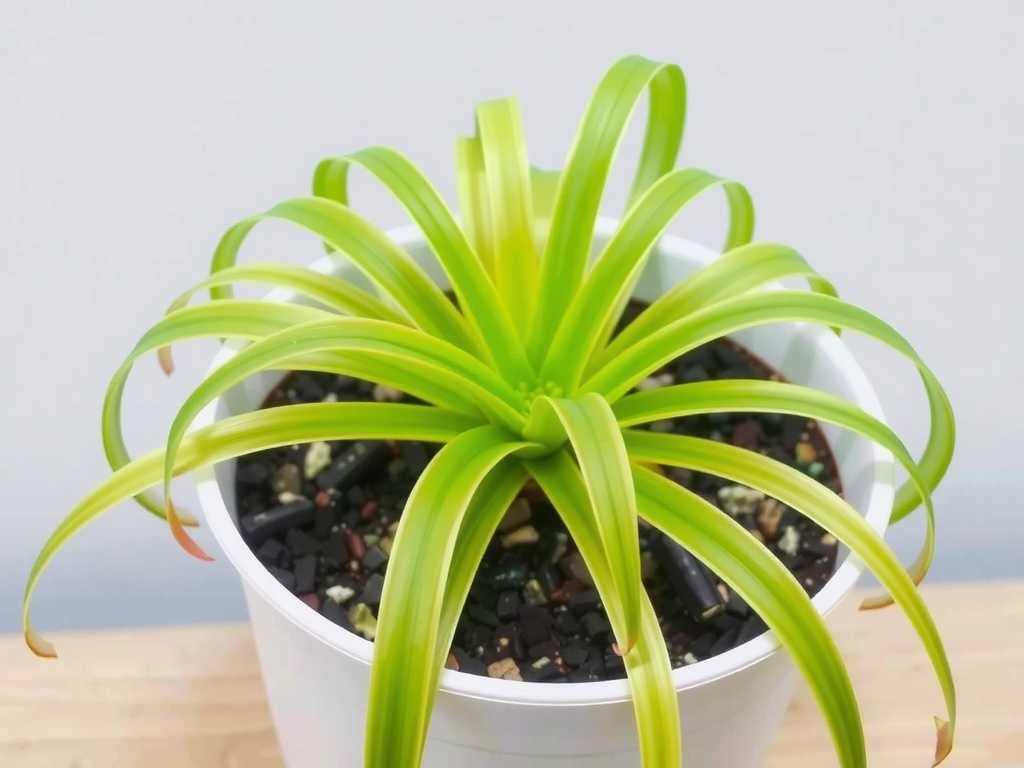
Spider plants (Chlorophytum comosum) are typically prolific propagators. They produce stolons, commonly called runners or spiderettes, as a primary means of reproduction. At the nodes along these runners, under ideal conditions, plantlets (pups) form. When they don't, it's a clear signal from your plant.
While factors like insufficient light, a pot that's too roomy, or the plant's immature age can contribute, a nutritional imbalance is a frequent culprit. Plants require a complex blend of macronutrients and micronutrients to complete energy-intensive processes like creating new offspring.
Nitrogen (N), phosphorus (P), and potassium (K) are the three primary macronutrients. An excess of nitrogen promotes lush, green leaf growth at the expense of flowering and pupping. The missing pieces for pup formation are often phosphorus and potassium.
The Critical Role of Phosphorus and Potassium in Pup Development
To fix the problem of runners without pups, you need to understand what these two nutrients do.
Phosphorus is the energy transfer and root development nutrient. It's vital for processes like photosynthesis, nutrient movement within the plant, and most importantly, cell division and the development of new tissue. Think of phosphorus as the catalyst that triggers the initial formation of a pup from a node on the runner. Without adequate phosphorus, the plant lacks the biochemical signal and energy to start this complex process.
Potassium is the regulator and quality control nutrient. It activates enzymes, regulates water uptake and internal pressure (turgor), and improves the plant's overall vigor and disease resistance. For a developing pup, potassium ensures the new plantlet forms strong cells, can draw water effectively, and becomes a robust, independent plant. It's what turns a tiny bud into a viable offspring.
A deficiency in either can stall the pupping cycle. Your plant may have the energy to send out a runner (exploring for new territory) but not the specific resources to actually colonize it with pups.
Diagnosing Nutrient Deficiencies in Spider Plants
Before you start supplementing, it's wise to confirm that a nutrient issue is likely. Look for these subtle signs beyond just bare runners:
- Phosphorus Deficiency Clues: Older leaves might develop a darker green or even purplish tint, particularly on the undersides. Growth can appear stunted, and the plant may seem generally lackluster despite proper care.
- Potassium Deficiency Clues: Often shows as chlorosis (yellowing) starting at the leaf tips and margins of older leaves, which may later turn brown and look scorched—a condition known as "tip burn" that is not always caused by fluoride in water.
Horticulturist Dr. Linda Chalker-Scott notes in her work on plant physiology, "Nutrient imbalances often manifest in reproductive failure first. A plant will prioritize survival of existing tissues over creating new ones when resources are skewed."
How to Choose the Right Fertilizer for Spider Plant Pupping
Not all fertilizers are created equal for this specific task. You need to shift the nutrient balance away from nitrogen-heavy mixes.
Decoding the N-P-K Ratio
Look at the three-number ratio on any fertilizer package (e.g., 10-10-10, 20-20-20, 5-10-5). These numbers represent the percentage of Nitrogen (N), Phosphorus (P), and Potassium (K), in that order.
For encouraging pups, you want a fertilizer where the second number (P) is equal to or higher than the first (N). A balanced fertilizer (like 10-10-10) is acceptable, but one with higher phosphorus is ideal.
Recommended Fertilizer Types and Ratios:
- Bloom Booster Fertilizers: Formulas like 5-10-5 or 10-15-10 are excellent choices. They are designed to promote flowering and fruiting (which, for a spider plant, translates to pupping).
- Liquid vs. Granular: Liquid fertilizers are often preferred for potted spider plants as they provide immediate availability and allow for precise control during the growing season.
- Organic Options: Bone meal is a superb slow-release source of phosphorus. Kelp meal or liquid seaweed provides potassium along with beneficial micronutrients. A combination can be very effective.
Step-by-Step: Phosphorus and Potassium Fertilizer Supplement Methods
Here is a safe, effective regimen to correct the balance and stimulate pup production.
1. Assess and Flush (If Needed) If you suspect long-term over-fertilization with a high-nitrogen mix, start by flushing the soil. Water the plant thoroughly until water runs freely from the drainage holes. Repeat this once or twice to help leach excess soluble salts from the soil. Allow the plant to drain completely.
2. Select and Apply Your Targeted Fertilizer Choose a bloom-formula fertilizer with a higher middle number. Dilute it to half the strength recommended on the label. Spider plants are sensitive and can suffer fertilizer burn easily.
Apply this diluted solution to moist soil every 3-4 weeks during the active growing season (spring and summer). Avoid fertilizing in fall and winter when growth slows.
3. Monitor and Observe for Changes Do not expect overnight results. After initiating this feeding schedule, continue to provide bright, indirect light and consistent watering (allowing the top inch of soil to dry out). Within 4-8 weeks, you should begin to see small bumps or knobs forming at the nodes on existing or new runners. These will gradually develop into full pups.
4. Maintain a Balanced Long-Term Diet Once pup production begins, you can switch back to a balanced, all-purpose houseplant fertilizer (like a 10-10-10) for general maintenance, or continue with the bloom booster at a reduced frequency. The key is to avoid reverting to a heavy nitrogen-only regimen.
Best Practices for Overall Spider Plant Health to Support Pupping
Fertilizer is just one part of the equation. Optimize these conditions to support your plant's reproductive efforts:
- Light: Provide bright, indirect light. Too little light weakens the plant; too much direct sun can scorch leaves and stress it.
- Pot Size: Spider plants often produce more pups when slightly root-bound. A pot that is excessively large directs energy to root growth instead of runners and pups.
- Watering: Use room-temperature water and allow for slight drying between waterings. Consistency prevents stress.
- Seasonality: Be patient. Pupping is most prolific in the warmer, brighter months. Growth naturally slows in winter.
Why are the tips of my spider plant turning brown even though I'm using the right fertilizer? Tip burn can have multiple causes. While potassium deficiency is one, it's also commonly caused by chemicals in tap water, like fluoride and chlorine. Try using distilled, rainwater, or filtered water for watering, especially after you've ruled out a nutrient issue with proper fertilization.
Can I use a high-phosphorus fertilizer on all my houseplants to make them flower? No, this is not recommended. Different plants have different nutritional needs. High-phosphorus formulas are ideal for flowering and fruiting plants (like spider plants, orchids, or tomatoes) but may not be suitable for foliage-focused plants like ferns or palms, which have different requirements.
How long after adjusting fertilizer should I see spider plant pups forming? If light, pot size, and overall health are good, and the lack of pups was primarily due to nutrient imbalance, you can expect to see the beginnings of pup formation within 4 to 8 weeks of starting a targeted phosphorus and potassium supplement regimen. The plant needs time to redirect its resources and initiate new growth.
Seeing bare runners on your spider plant can be disheartening, but it's a problem with a clear solution. By understanding the specialized roles of phosphorus and potassium in plant development, you can move beyond generic feeding. Implementing targeted phosphorus and potassium fertilizer supplement methods addresses the root cause, providing your plant with the specific building blocks it needs for reproduction. Combined with proper light and care, this nutritional shift will transform those empty stems into a cascade of healthy new spider plant pups, rewarding your care with successful propagation.