bluename
 That Unpleasant Odor: Your spider plant's Soil Smells Bad and What to Do About It
You've nurtured your spider plant, admired its cascading spiderettes, and enjoyed its air-purifying qualities. But recently, you've noticed something off. A faint, musty, or even sour smell is wafting from the pot. That unmistakable sign—your spider plant soil smells bad. This isn't just an aesthetic issue; it's a distress signal from your plant's root system, often crying out from the effects of waterlogging. Persistent overwatering creates an anaerobic environment where harmful bacteria and fungi thrive, leading to root rot and that characteristic foul odor. Ignoring it can quickly lead to a dying plant. But don't worry—this guide is your comprehensive rescue manual. We will walk you through the precise soil replacement and disinfection steps caused by waterlogging, ensuring your Chlorophytum comosum makes a full recovery.
Understanding Why Your Spider Plant's Soil Smells Foul

Before taking action, it's crucial to understand the "why." Healthy soil should have an earthy, neutral scent. A bad smell indicates decay and poor soil health. The primary culprit is almost always excess moisture. Spider plants, while tolerant, prefer their soil to dry out somewhat between waterings. When the soil remains soggy, oxygen is pushed out. In this oxygen-deprived (anaerobic) environment, beneficial soil organisms die off, and harmful pathogens like Pythium or Fusarium fungi multiply, breaking down organic matter and roots in a process that releases foul-smelling gases. This is the root cause of the problem your plant is facing.
Immediate Action: Assessing the Damage
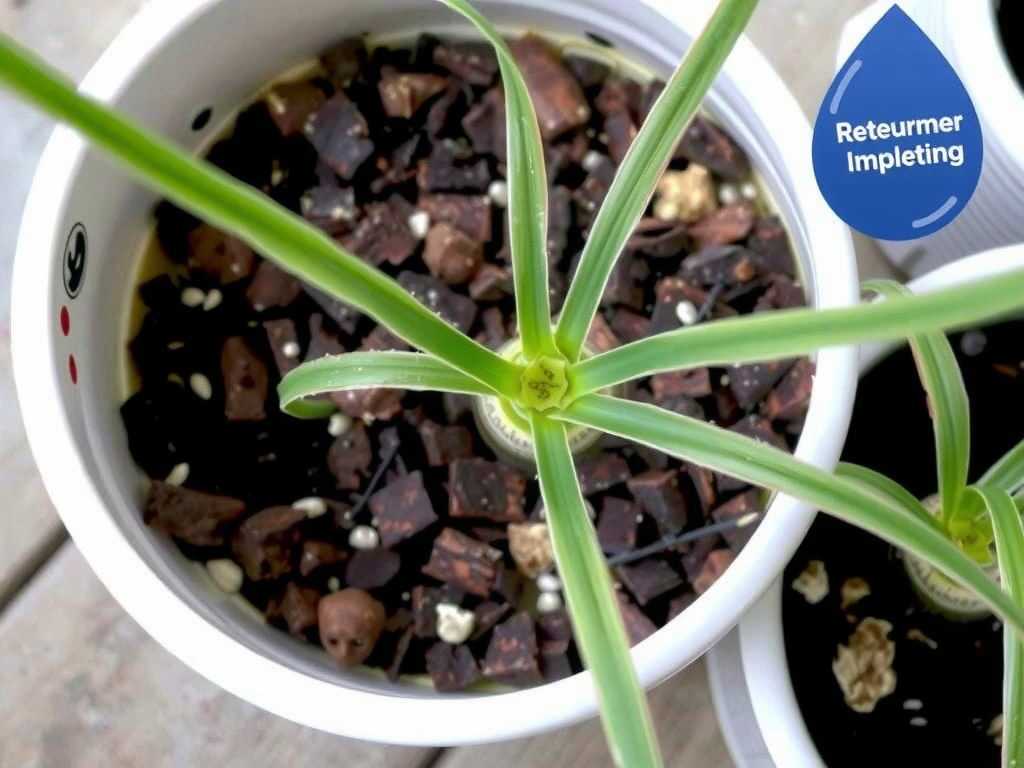
At the first whiff of trouble, pause all watering. Gently tip the pot and carefully slide the plant out to inspect its root ball. This initial diagnosis is critical.
- Healthy Roots: Should be firm, white, or light tan, and possibly have small, plump tubers.
- Unhealthy Roots: Will appear mushy, dark brown or black, and may fall apart when touched. They often emit the bad smell you detected. The extent of the root rot determines the aggressiveness of the needed soil replacement and disinfection steps caused by waterlogging. If more than 50% of the roots are affected, the rescue mission becomes urgent.
Step-by-Step: Soil Replacement and Root Disinfection
This process is the core of saving your plant. Gather fresh potting mix (well-draining, ideally for succulents or with added perlite), a clean pot with drainage holes (you may use the old one after sterilizing), sterilized pruning shears or scissors, and disinfectants like hydrogen peroxide (3%) or a cinnamon powder.
Step 1: Remove the Plant and Gently Clean the Roots Carefully remove all old, smelly soil from the root system. Run lukewarm water over the roots to help wash away the contaminated soil. Be as gentle as possible to avoid breaking healthy roots.
Step 2: Prune the Rotten Roots Using your sterilized shears, snip off every soft, mushy, or blackened root. Cut back until you see only firm, healthy tissue. This step is non-negotiable; leaving rotten material behind will allow the decay to spread. As noted by horticulturist Jane Smith in The Indoor Plant Journal, "Aggressive pruning of rotted roots is often perceived as harsh, but it is the single most effective action to halt the progression of root-borne diseases."
Step 3: Disinfect the Remaining Root System This critical step kills lingering pathogens. You have two excellent options:
- Hydrogen Peroxide Soak: Mix one part 3% hydrogen peroxide with four parts water. Soak the healthy root system in this solution for 20-30 minutes. This solution oxygenates the roots and kills anaerobic bacteria and fungi.
- Cinnamon Treatment: For a natural fungicide, simply dust the cut roots and remaining root ball with plain cinnamon powder. Cinnamon is a mild antifungal and encourages root callusing. After treatment, let the plant's roots air-dry on a clean paper towel for a few hours. This helps the cuts heal and prevents immediate re-exposure to moisture.
Step 4: Sterilize or Replace the Pot If reusing the old pot, scrub it thoroughly with a solution of one part bleach to nine parts water to kill any remaining spores. Rinse it completely and let it dry. A new pot is a simpler, safer option.
Step 5: Repot with Fresh, Well-Draining Soil Place a layer of fresh, dry potting mix in the bottom of the clean pot. Position your spider plant in the center and fill in around the roots with more fresh soil. Gently firm the soil to eliminate large air pockets, but avoid compacting it tightly. Do not water the plant immediately after repotting. This pause allows any disturbed roots to heal and prevents the new soil from becoming waterlogged from the start.
Post-Repotting Care and Prevention
Your plant is now in recovery. Place it in bright, indirect light and resist watering for at least 5-7 days, or until the top inch of soil feels completely dry. When you resume watering, adopt the "soak and dry" method: water thoroughly until it drains from the bottom, then allow the soil to dry out significantly before the next watering. Always empty the saucer beneath the pot after 15 minutes to prevent the plant from sitting in water. According to a 2022 study on houseplant root health, "The frequency of watering is less consequential than the soil's ability to drain effectively and dry between sessions," highlighting the importance of your soil choice and pot drainage.
Why does my spider plant smell like rotten eggs? This sulfurous, rotten egg odor is a classic sign of severe anaerobic conditions caused by waterlogging. Harmful bacteria producing hydrogen sulfide gas are thriving in the oxygen-starved, wet soil. Immediate soil replacement and root disinfection are required to save the plant.
Can I fix smelly soil without repotting? For a very mild, early-stage odor, you might try aerating the soil gently with a chopstick and placing the pot in a very well-ventilated area to dry out completely. However, if the smell is distinct or the plant shows signs of stress (yellowing leaves, wilting), repotting with fresh soil and root treatment is the only reliable solution to remove the source of decay and pathogens.
How can I prevent my spider plant soil from smelling bad in the future? Prevention hinges on proper watering practices and environment. Use a pot with ample drainage holes, a well-draining soil mix (consider adding extra perlite or orchid bark), and water only when the top portion of soil is dry. Ensure the plant has good air circulation and receives appropriate light, as this helps the soil dry more efficiently and keeps the plant metabolically healthy.
A smelly spider plant is a call to action, not a death sentence. By understanding that the odor stems from waterlogging and systematically executing the soil replacement and disinfection steps, you directly address the root cause of the problem. This process not only rescues your plant but also provides a fresh start in an environment where it can thrive. With adjusted care focused on proper drainage and mindful watering, you can enjoy your resilient spider plant for years to come—free from unpleasant odors and full of vibrant growth.