bluename
 spider plant Leaves Are Wrinkled: Your Guide to Slow, Safe Recovery After Underwatering
You’ve noticed the once lush, arching leaves of your spider plant have lost their vigor. Instead of being smooth and taut, they appear wrinkled, limp, or even folded. This is a classic distress signal. Your spider plant is telling you it’s thirsty, and it’s been thirsty for a while. The immediate reaction might be to drench it with a massive dose of water, but that could be the worst thing you can do. This guide is dedicated to understanding why spider plant leaves are wrinkled and, most importantly, how to execute the correct, slow watering technique to nurse your plant back to health without causing further shock or root rot.
Understanding the Wrinkle: Why Underwatering Causes This
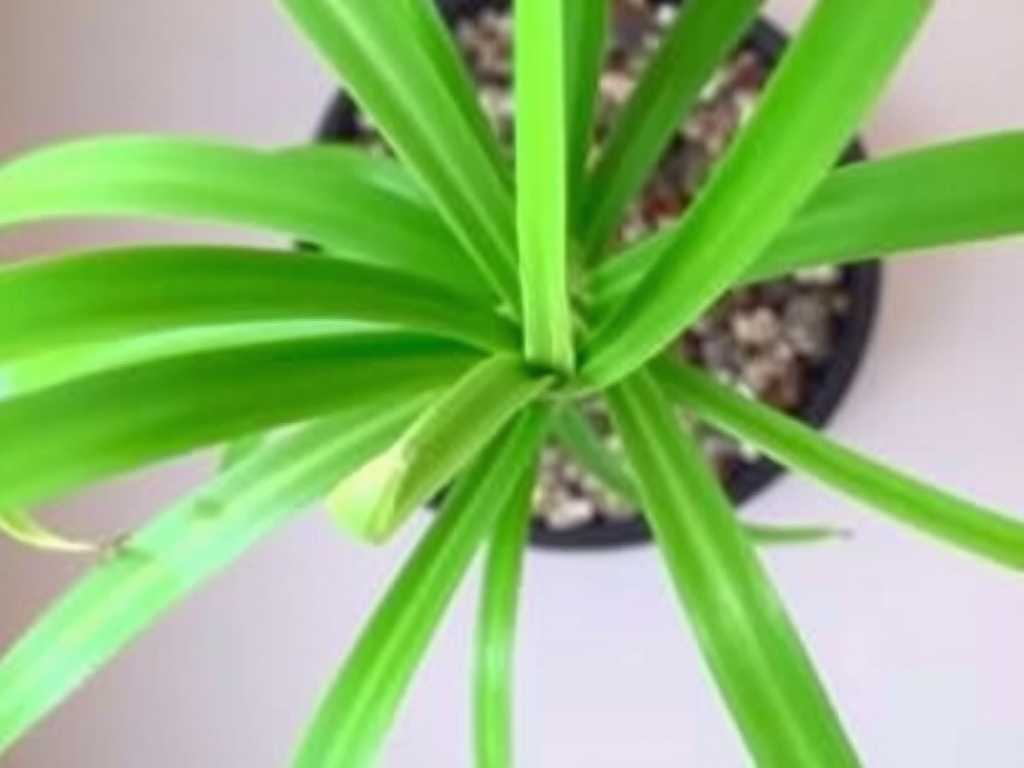
Spider plants (Chlorophytum comosum) store water in their thick, fleshy roots. When the soil remains dry for too long, the plant taps into these reserves to survive. As the moisture in the roots depletes, the leaves lose their internal water pressure, or turgor. This causes the leaf structure to collapse inward, resulting in the wrinkled, deflated appearance you see. It’s a survival mechanism, but a clear sign that the plant is under significant stress. According to horticulturist Dr. Linda Chalker-Scott, prolonged underwatering doesn’t just wilt leaves; it damages root hairs—the microscopic structures responsible for water uptake. This damage complicates the recovery process.
The Golden Rule: Why Slow Watering is Non-Negotiable
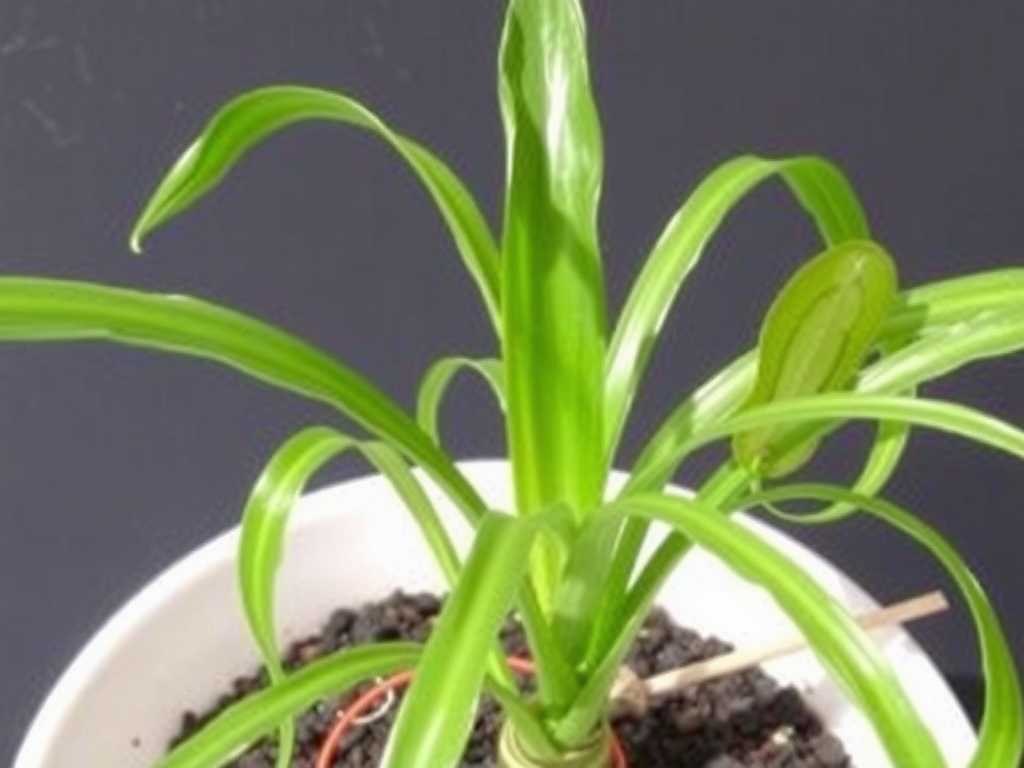
When a plant is severely dehydrated, its root system is compromised and vulnerable. Dumping a large volume of water onto bone-dry soil can overwhelm these fragile roots. They may fail to absorb it efficiently, leaving the soil soggy and creating an anaerobic environment perfect for root rot pathogens. Furthermore, the sudden influx of water can cause the plant cells to swell too rapidly, leading to further damage. The goal is not to flood the plant, but to rehydrate it gently and encourage the roots to seek moisture again.
Your Step-by-Step Slow Watering Rescue Plan
Assess the Situation First, gently check the soil. If it’s pulled away from the edges of the pot and feels dust-dry several inches down, your diagnosis of severe underwatering is confirmed. Also, examine the leaves for any crispy brown tips, which often accompany wrinkles from inconsistent watering.
The Initial Bottom-Watering Soak This is the safest method for the first drink. Fill a sink, basin, or tray with 2-3 inches of lukewarm water. Place your spider plant’s pot (with drainage holes) inside. Allow the plant to sit and absorb water from the bottom for 30 to 45 minutes. You’ll see the topsoil become moist. This technique ensures the root ball is evenly rehydrated without washing away soil or compacting it from top-watering.
The Drip-Feed Follow-Up After the bottom soak, remove the pot and let it drain completely. Do not let it sit in standing water. For the next 2-3 waterings, continue with a gentle, slow approach. Water from the top using a watering can with a long, narrow spout, applying water slowly around the base of the plant until it just begins to drip from the drainage holes. Wait a minute and repeat once. This encourages deep root growth without saturation.
Creating a Recovery-Friendly Environment While your plant recovers, place it in a location with bright, indirect light. Avoid direct sun, which can increase stress and evaporation. You can also lightly mist the leaves to increase ambient humidity, which helps reduce moisture loss from the foliage. Hold off on fertilizing for at least a month; fertilizers can burn stressed roots and add to the plant’s burden.
Establishing a Preventative Watering Routine Going forward, water your spider plant thoroughly only when the top 50% of the soil feels dry. Stick your finger into the soil—if it’s dry up to your second knuckle, it’s time to water. Always water until it flows freely from the drainage holes and empty the saucer afterward. A consistent routine is better than frequent, shallow sips or long periods of drought.
Signs of Successful Recovery and When to Worry
With correct slow watering, you should see improvement within a week. The leaves will gradually plump up, becoming smoother and regaining their arching form. However, some severely wrinkled leaves may not fully recover and could develop brown tips. This is normal; you can snip the brown tips off for aesthetics. New growth from the center of the plant is the ultimate sign of success.
Be vigilant for signs you moved too fast: yellowing leaves at the base, a persistently soggy soil feel, or a foul smell indicate overwatering and potential root rot. If this occurs, you may need to unpot the plant, inspect and trim any black, mushy roots, and repot in fresh, well-draining soil.
How long will it take for my spider plant leaves to un-wrinkle after watering? If you use the slow watering method, you should notice the leaves beginning to firm up and look less wrinkled within 5-7 days. Full recovery, where the leaves regain their full turgor and smooth appearance, can take up to two weeks, depending on the severity of the dehydration.
Should I cut off the wrinkled leaves on my spider plant? It’s not necessary to remove leaves solely because they are wrinkled. If the leaf is still mostly green, it can still contribute to photosynthesis and may recover. Prune only leaves that have turned entirely brown or yellow. The plant will eventually shed fully damaged leaves on its own and produce new, healthy growth.
Can a spider plant recover from severe underwatering? Yes, spider plants are remarkably resilient. Even if the foliage looks very sad, the plant can often bounce back from its healthy root system if you reintroduce water slowly and correctly. Patience and consistent care after the initial recovery are key to seeing your plant thrive again.
Wrinkled leaves are a clear cry for help, but with patience and the right technique, your spider plant can make a full comeback. Remember, the key is gentle rehydration—mimicking a slow, steady rain rather than a flash flood. By adopting a mindful watering routine that responds to the soil’s dryness, not the calendar, you’ll prevent future wrinkles and enjoy a lush, vibrant spider plant for years to come.