bluename
 spider plant Mealybug Infestation: The Ultimate Guide to Cotton Swab Wiping with Vinegar
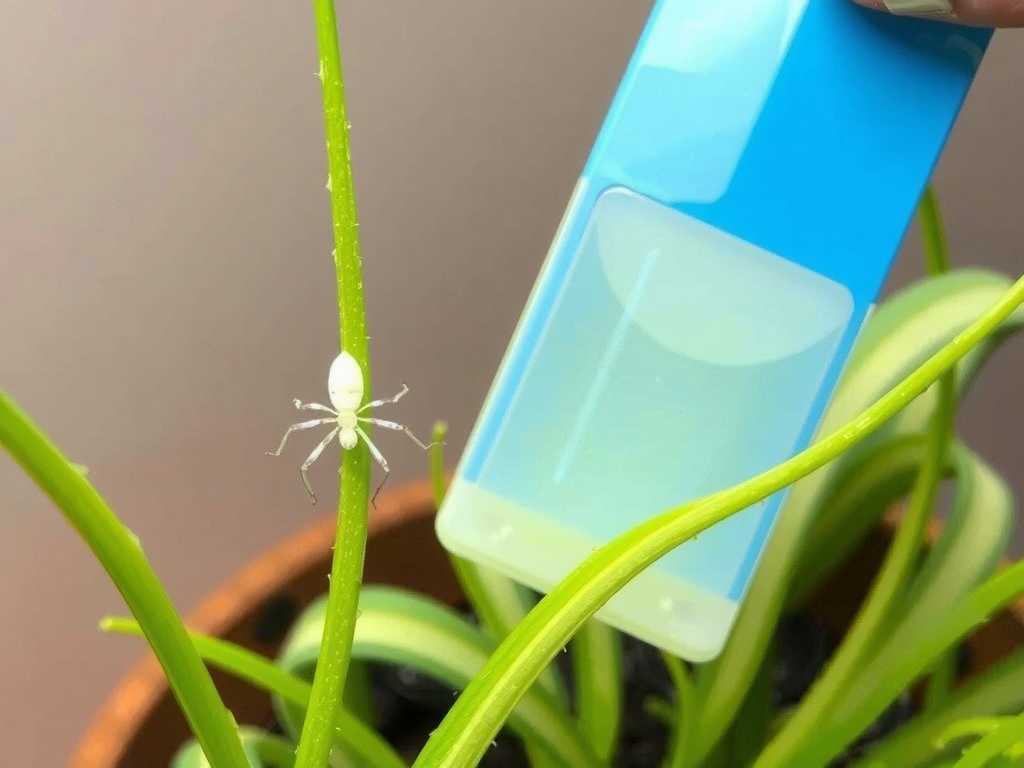
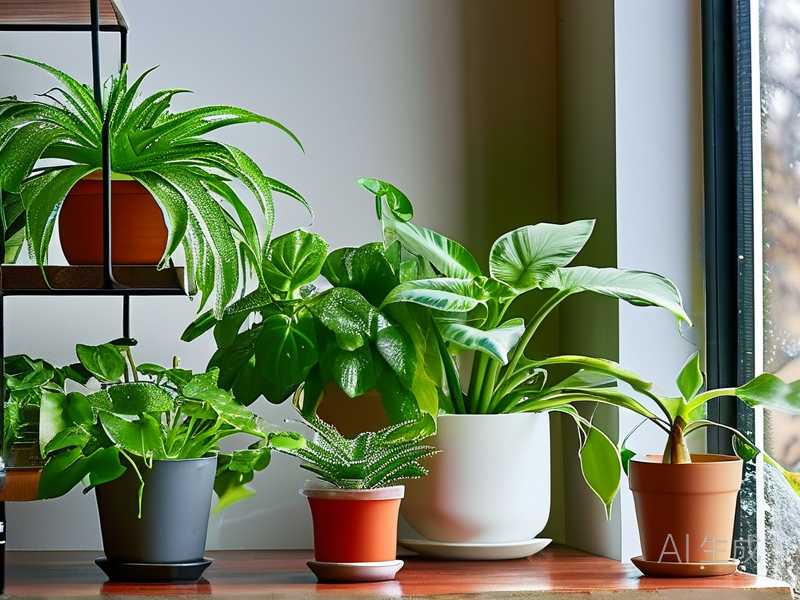
You’ve lovingly nurtured your spider plant, admiring its graceful arching leaves and charming spiderettes, only to discover a nightmare: a fluffy, white substance clinging to the leaf joints and undersides. Your heart sinks. It’s a spider plant mealybug infestation. These sap-sucking pests can quickly weaken your vibrant plant, causing yellowing leaves, stunted growth, and a general decline. Before you consider harsh chemicals, there’s a proven, gentle, and highly effective method you can start today: cotton swab wiping with vinegar. This detailed guide will walk you through every step of this powerful, natural remedy to reclaim your plant’s health.
Understanding Your Enemy: The Mealybug
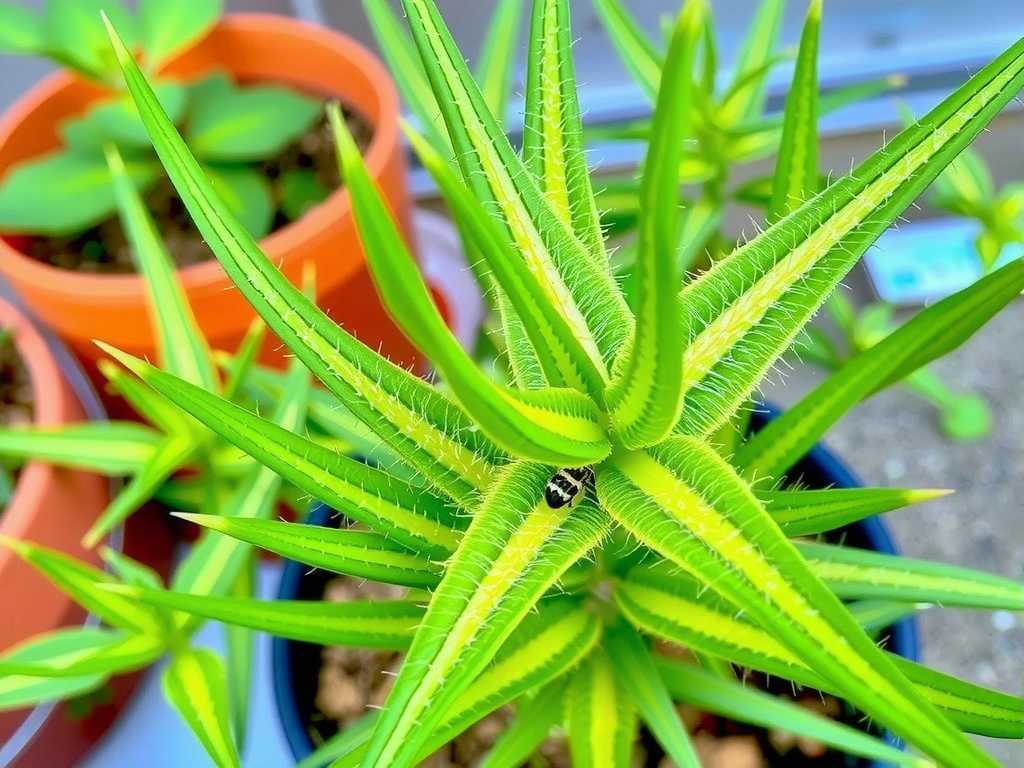
Before launching your counterattack, know what you’re facing. Mealybugs are small, soft-bodied insects that protect themselves with a white, powdery, wax-like coating. They cluster in hard-to-see areas—leaf axils (where the leaf meets the stem), under leaves, and even on the roots. They feed on plant sap, robbing your spider plant of vital nutrients and excreting a sticky substance called honeydew, which can lead to sooty mold. A study published in the Journal of Economic Entomology notes that early intervention is critical, as female mealybugs can produce hundreds of eggs, leading to exponential population growth.
Why the Cotton Swab and Vinegar Method Works
This targeted approach combines mechanical removal with a natural treatment. The cotton swab allows for precise application, physically dislodging the bugs and their protective wax. The vinegar, specifically household white vinegar (5% acetic acid), acts as a desiccant and disrupts the mealybugs’ cell membranes, effectively killing them on contact. Horticulturist Dr. Eleanor Green emphasizes, “For light to moderate infestations on houseplants like spider plants, physical removal paired with a mild acidic solution like vinegar is often the most sustainable first line of defense. It minimizes environmental impact and is safe for use around homes with pets and children when applied correctly.”
Gathering Your Supplies for Battle
Preparation is key. You will need:
- Cotton swabs (Q-tips): A plentiful supply.
- White Distilled Vinegar: With a 5% acetic acid concentration.
- Water: For dilution.
- A small bowl or cup: For mixing your solution.
- Soft cloth or paper towels: For wiping leaves.
- Isopropyl alcohol (70%): As an alternative or follow-up.
- Magnifying glass (optional): To inspect for tiny nymphs.
- Patience: This is a meticulous process.
Step-by-Step: The Cotton Swab Wiping with Vinegar Process
Isolate and Inspect Your Plant Immediately move the infested spider plant away from all other plants to prevent the pests from spreading. Place it in a well-lit area, like a bathroom or kitchen sink, for easy treatment. Conduct a thorough inspection. Turn every leaf over and examine each leaf axil. Use a magnifying glass to spot the tiny, yellow nymphs (young mealybugs).
Prepare Your Vinegar Solution Never apply full-strength vinegar directly to your spider plant’s leaves, as the high acidity can cause burns. The safe and effective dilution is one part white vinegar to three parts water. For example, mix ¼ cup of vinegar with ¾ cup of water in your bowl. This creates a solution strong enough to kill mealybugs but gentle enough for the plant when used as directed.
The Precise Wiping Technique This is the core of spider plant mealybug control with cotton swabs. Dip a cotton swab into your vinegar solution, then gently blot it on a paper towel to avoid excessive dripping.
- Target the Colonies: Press the swab directly onto each visible mealybug mass. Hold it there for a few seconds to allow the solution to penetrate their waxy coating.
- Dislodge and Remove: Gently roll and wipe the swab to lift the bugs from the plant. You will see them stick to the cotton.
- Detail Work: Use a fresh swab to get into the tight crevices of leaf axils and the delicate areas where new leaves emerge. Discard each swab after use to avoid re-contaminating the plant or solution.
- Clean the Leaves: After treating all visible pests, dip a soft cloth in plain water, wring it out well, and gently wipe down the leaves. This removes any residual vinegar, honeydew, or stray eggs and helps prevent potential leaf irritation.
Follow-Up and Monitoring Mealybug eradication is rarely a one-time event. Their eggs are hidden and can hatch days later.
- Repeat Treatment: Re-inspect and re-treat your plant every 4-5 days for at least two to three weeks. Consistency is crucial to break the life cycle.
- Root Check: If the plant continues to struggle, unpot it and check the roots for root mealybugs, which appear as white, powdery specks in the soil. Rinse the roots and repot in fresh, sterile potting mix.
- Alternative for Stubborn Cases: For very stubborn bugs in crevices, you can use a cotton swab dipped in 70% isopropyl alcohol instead of the vinegar solution. It evaporates quickly and is highly effective.
Preventing Future Spider Plant Mealybug Infestations
The best cure is prevention. After successfully using the vinegar swab treatment for spider plants, adopt these habits:
- Quarantine New Plants: Always isolate new plants for 2-3 weeks before placing them near your existing collection.
- Regular Inspection: Make inspecting your spider plant’s leaves and axils part of your weekly watering routine.
- Optimal Health: A healthy plant is more resistant. Avoid overwatering, provide bright, indirect light, and fertilize moderately during the growing season. A stressed plant is a target.
- Natural Predators: For persistent problems, consider introducing beneficial insects like ladybugs or Cryptolaemus ladybirds (mealybug destroyers) if your environment allows.
Frequently Asked Questions
Can the vinegar solution harm my spider plant? When properly diluted (1:3 ratio with water) and used with targeted cotton swab application, the risk is very low. Avoid drenching the soil or soaking the leaves. The follow-up wipe with a water-dampened cloth further protects the foliage. Always test on a small, inconspicuous leaf first if you are concerned.
How long does it take to see results using this method? You will see immediate results in terms of removing visible bugs. However, because eggs may hatch later, the plant may not show signs of recovery (new, healthy growth, reduction in yellowing) for several weeks. Persistent re-treatment over 2-3 weeks is essential for complete success.
Are there any spider plant varieties more susceptible to mealybugs? While all spider plants (Chlorophytum comosum) can be affected, variegated varieties under stress (from low light or inconsistent watering) may be slightly more vulnerable. The key factor is always the plant’s overall health and the presence of pests introduced from other plants.
Tackling a spider plant mealybug infestation requires patience and a careful eye. The cotton swab and vinegar method provides a safe, controlled, and highly effective strategy that aligns with natural gardening principles. By physically removing the pests and applying a mild, natural desiccant, you address the problem at its source without resorting to harsh chemicals. With diligent follow-up and improved plant care practices, your spider plant can return to its full, cascading glory, free from the clutches of these fluffy white pests. Remember, the most powerful tool in plant care is consistent, observant attention.