bluename
 spider plant Loses Leaves in Winter: Your Guide to Heat Preservation for Healthy Growth
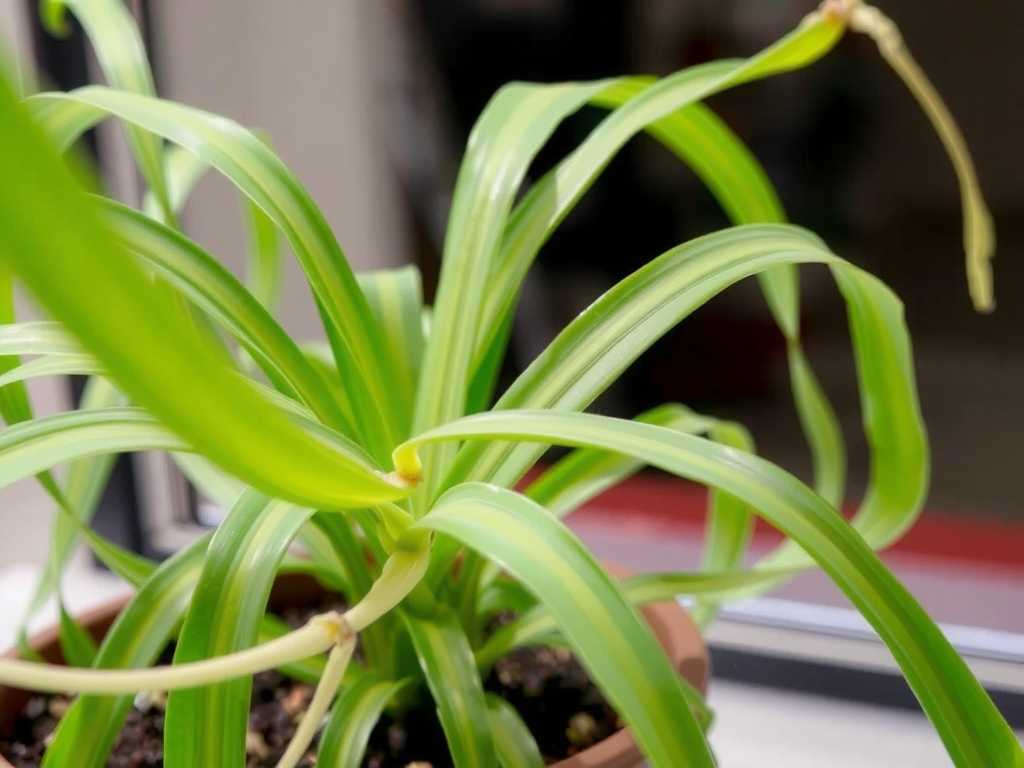
It’s a common and disheartening sight for indoor gardeners: as winter sets in, your once-lush spider plant (Chlorophytum comosum) begins to shed leaves, turning from a vibrant fountain of green to a sparse, struggling specimen. This leaf loss is often a direct cry for help against the chill. Low indoor temperatures, coupled with dry air and reduced light, create a stressful environment that triggers this defensive reaction. Understanding why your spider plant loses leaves in winter is the first step toward reversing the damage. This guide is dedicated to providing actionable, effective heat preservation measures for low indoor temperatures, ensuring your resilient spider plant not only survives the cold months but thrives.
Understanding Why Cold Stress Causes Leaf Drop
Before implementing solutions, it's crucial to understand the science behind the problem. Spider plants are native to subtropical southern Africa, preferring consistent, warm temperatures between 65°F and 80°F (18°C - 27°C). When exposed to temperatures consistently below 50°F (10°C), their cellular processes slow down.
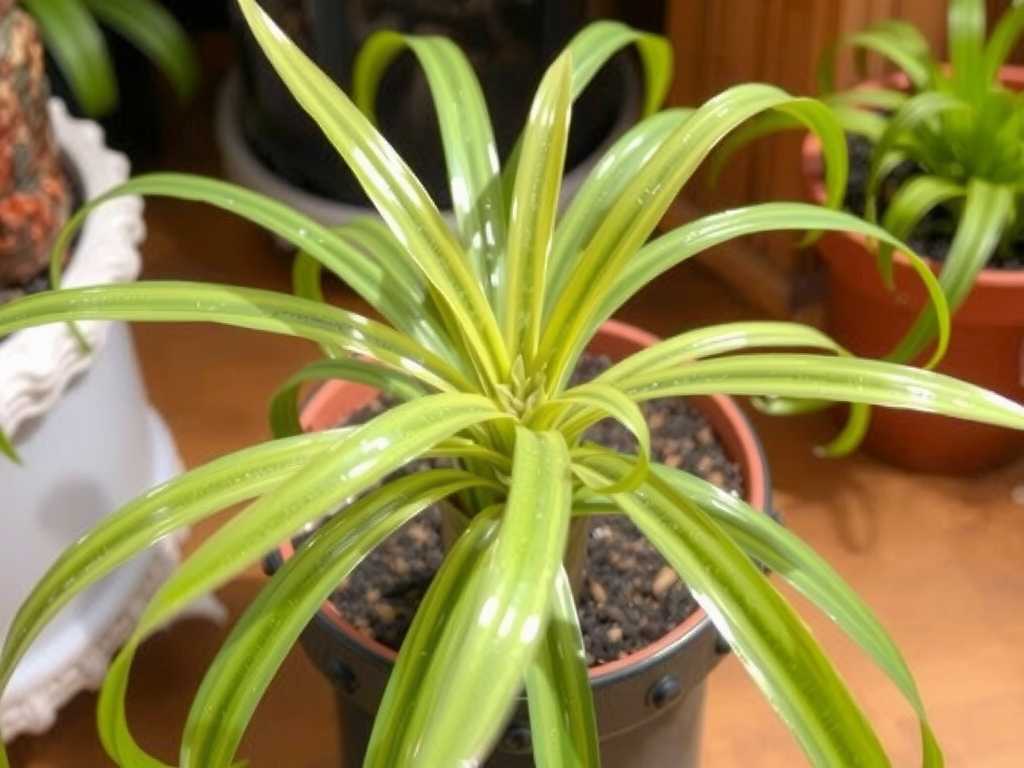
The plant prioritizes survival, redirecting energy away from maintaining older leaves. This leads to yellowing, browning, and eventual leaf drop—a process known as abscission. Furthermore, cold drafts can damage cell walls, causing blackened, mushy tips or patches. It’s not merely about aesthetics; chronic cold stress weakens the plant’s immune system, making it susceptible to pests like spider mites, which thrive in dry winter air.
Essential Heat Preservation Measures for Your Spider Plant
Protecting your spider plant from the cold is a multi-faceted approach. It involves strategic placement, environmental adjustments, and modified care routines.
1. Optimize Plant Placement and Avoid Temperature Traps
Location is your first and most powerful tool for maintaining spider plant health in cold weather.
- Find the Warmth Zones: Identify the warmest areas in your home. These are often interior rooms away from external walls. Place your spider plant in a spot with stable, ambient room temperature.
- Draft-Proofing is Critical: Carefully inspect windows and doors. Even a tiny leak can create a microclimate of cold air. Move plants away from drafty windows, exterior doors, and uninsulated walls. Horticulturist Dr. Linda Chalker-Scott emphasizes in her urban horticulture reports that "thermal shock from sudden drafts is a leading cause of winter foliage loss in tropical houseplants."
- Utilize Thermal Mass: Placing your plant on or near surfaces that retain heat, like a sturdy wooden shelf on an interior wall, can buffer against nighttime temperature dips. Avoid cold stone windowsills.
2. Create a Microclimate with Humidity Management
Dry, heated air exacerbates moisture loss from leaves already stressed by cold. Increasing humidity is a key winter care tip for preventing spider plant leaf loss.
- The Pebble Tray Method: This is a simple and effective technique. Fill a shallow tray with pebbles and water, ensuring the water level stays just below the top of the pebbles. Place your plant pot on top. As the water evaporates, it creates a localized humid environment.
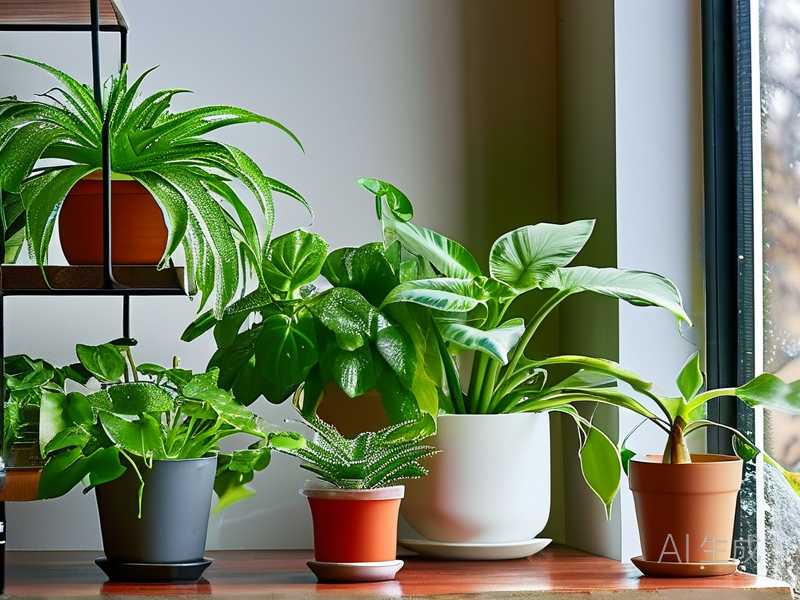
- Strategic Grouping: Cluster your spider plant with other humidity-loving houseplants. Their collective transpiration raises the humidity level in their immediate vicinity.
- Humidifier for the Win: For a whole-room solution, especially in arid climates, using a cool-mist humidifier is the most reliable method to maintain ideal humidity levels (40-60%).
3. Adjust Your Watering and Feeding Routine
Overwatering is the number one killer of houseplants in winter, and a cold, wet root system is a death sentence.
- The Golden Rule: Water Less. Growth slows dramatically in cooler, darker conditions. Allow the soil to dry out more thoroughly between waterings. Always check the top 1-2 inches of soil with your finger; if it's dry, it's time to water. Use room-temperature water to avoid shocking the roots.
- Hold the Fertilizer: From late fall through winter, suspend all fertilization. The plant is not in active growth and cannot use the nutrients, which can lead to harmful salt buildup in the soil.
Supplemental Strategies for Extreme or Persistent Cold
If your home is particularly chilly, these additional measures can provide an extra layer of security.
- Insulate the Pot: Root zones are sensitive. Wrapping the pot in bubble wrap, burlap, or a decorative insulating sleeve can help keep roots warmer, especially if the plant is in a ceramic pot on a cold floor.
- Consider Gentle, Supplemental Heat: For rooms that drop below 60°F (15°C), a small, thermostatically controlled space heater can be used to gently raise the ambient temperature. Keep it at a safe distance from plants and never use it as a direct heat source.
- Maximize Available Light: While not a heat source, ample light supports the plant's limited energy production. Clean your windows to allow maximum light penetration and consider rotating the plant weekly for even exposure. If natural light is very poor, a basic LED grow light for a few hours a day can provide a significant boost.
Why are the tips of my spider plant turning brown even though I’m watering less? Brown tips in winter are often a combination of low humidity and fluoride or chlorine in tap water. Switch to distilled, rainwater, or filtered water for watering, and implement the humidity-raising techniques mentioned above.
Can I cut back all the damaged leaves at once? It's best to prune selectively. Remove only the most severely yellowed or completely brown leaves. Leave any leaves with partial green, as they can still contribute to photosynthesis. Pruning too aggressively adds unnecessary stress.
My spider plant is near a heater vent. Is that a good alternative to a cold window? No. Direct, hot air from heating vents is extremely drying and can scorch leaves quickly. It creates an artificial "desert" environment. The goal is stable, moderate warmth, not blasts of hot air. Find a location away from both cold drafts and heat vents.
Seeing your spider plant lose leaves can be worrying, but it’s a reversible situation with informed intervention. By focusing on stable warmth, eliminating drafts, managing humidity, and adjusting your watering habits, you create a sanctuary for your plant during the challenging winter months. Remember, consistency is key—avoid moving the plant frequently and maintain your protective measures until spring brings reliably warmer temperatures. With these heat preservation measures for low indoor temperatures, you’ll be rewarded with a resilient plant that rebounds with vigorous new growth when the seasons change.