bluename
 spider plant Sunburn in Summer: Pruning and Shading After Leaf Yellowing and Browning
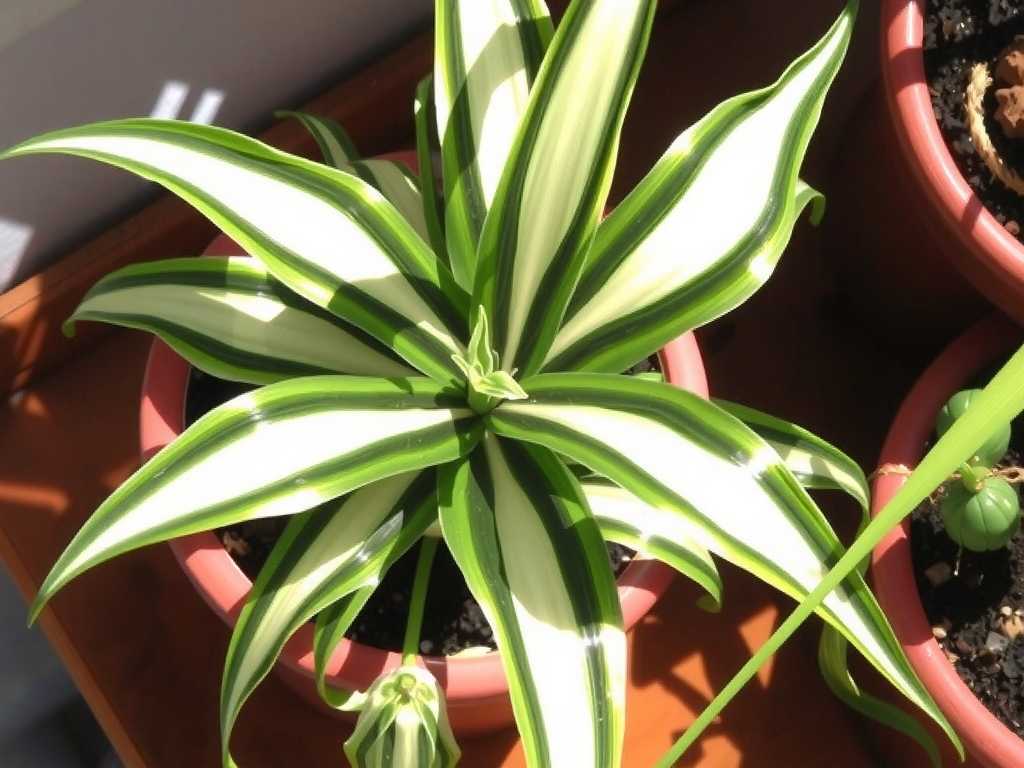
You’ve nurtured your spider plant for months, enjoying its lush, arching green and white leaves. Then, summer arrives. Suddenly, you notice ugly, crispy brown patches on the foliage, or the vibrant green tips turn a sickly yellow and brown. Your heart sinks. Is it dying? What went wrong? This common summer woe is almost always a clear case of spider plant sunburn. Direct summer sunlight is far too intense for these adaptable but shade-preferring plants. But don’t despair! When you see those telltale signs of leaf yellowing and browning, immediate and correct action can save your plant. This guide will walk you through exactly how to diagnose, treat with proper pruning and shading techniques, and prevent future damage, restoring your spider plant to its former glory.
Understanding Spider Plant Sunburn: More Than Just a Cosmetic Issue
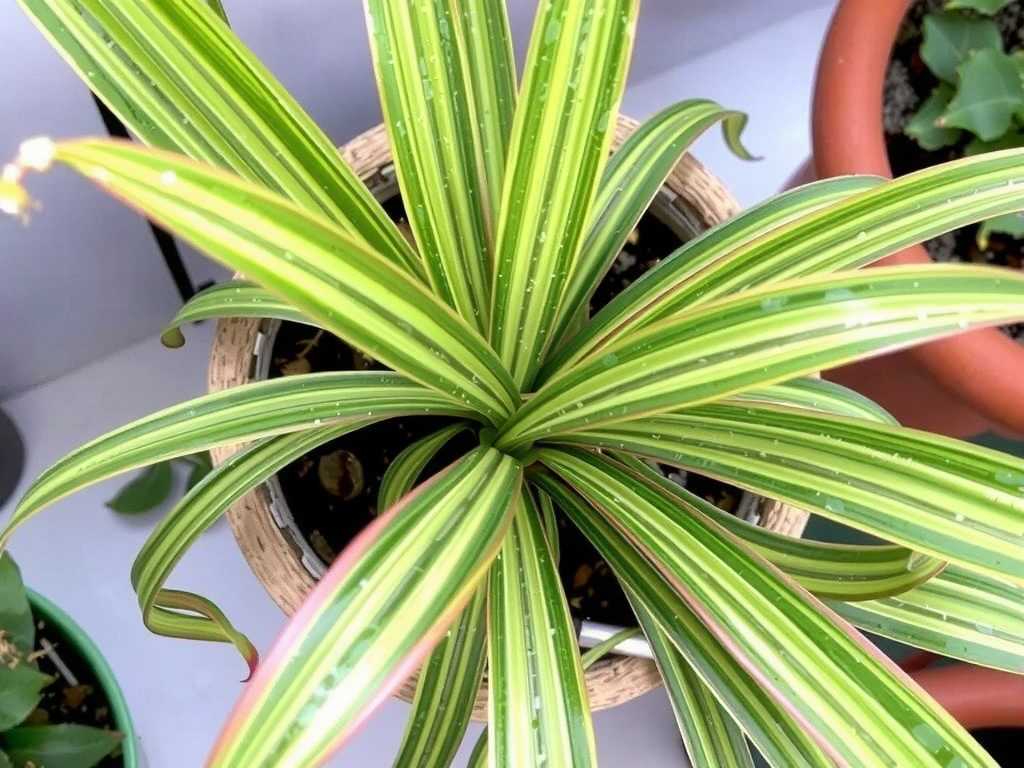
Spider plants (Chlorophytum comosum) are celebrated for their resilience and adaptability to indoor conditions, often thriving in indirect light. However, their leaves are not equipped for the intense, direct rays of the summer sun. Sunburn occurs when the plant’s tissues are literally scorched, damaging the chlorophyll and cell structure. This isn't just an aesthetic problem; it impairs the plant's ability to photosynthesize effectively, weakening it over time. The initial signs are often bleached or pale yellow patches on the leaves, typically on the side facing the window. These areas quickly turn dry, crispy, and brown. In severe cases, entire leaf tips or large sections may become brown and withered. It’s crucial to distinguish this from other issues like underwatering (which causes overall browning from the tips up) or fluoride toxicity (brown tips only). Sunburn creates irregular, scorched patches anywhere on the leaf surface exposed to direct light.
Immediate First Aid: The Two-Step Rescue Plan
When you first spot sunburn damage, your immediate response can halt further injury. Follow this two-step first aid protocol.
Step 1: Relocate for Immediate Shading The very first action is to move the plant out of direct sunlight. Do not simply move it a few inches; find a spot that receives bright, but strictly indirect, light. An east-facing window is ideal, or a position several feet back from a south or west-facing window. A spot with filtered light through a sheer curtain is perfect. This immediate shading stops the assault, giving your plant a chance to recover without sustaining new damage. Horticulturist Dr. Linda Chalker-Scott emphasizes, “Plant tissues, once scalded, cannot repair themselves. The goal is to prevent further injury and allow the plant to redirect energy to producing new, healthy growth.”
Step 2: Assess and Hydrate After moving the plant, check the soil moisture. Surprisingly, a sunburned plant can sometimes be parched, as intense light accelerates water evaporation from both soil and leaves. Feel the soil. If it’s dry an inch below the surface, give the plant a thorough, deep watering until water runs freely from the drainage holes. This helps the plant cope with the stress. However, avoid the temptation to overwater or fertilize; the plant is in shock, and fertilizers can burn stressed roots. Simply ensure it has adequate moisture and perfect drainage.
The Pruning Process: Strategic Removal of Damaged Leaves
Pruning is essential after sunburn. It serves three key purposes: it improves the plant’s appearance, prevents potential entry points for disease, and, most importantly, allows the plant to stop wasting resources on irreparably damaged tissues. Here’s how to prune correctly.
Gather the Right Tools Always use clean, sharp tools. Microbes on dirty scissors can infect the cut. Use precision pruning snips or sharp scissors. Wipe the blades with rubbing alcohol before and after use to ensure a clean cut.
How to Make the Correct Cut Do not tear or pull leaves. For leaves that are entirely or mostly brown and crispy, follow the leaf blade all the way back to its base at the soil line and make a clean cut there. This removes the entire compromised structure. For leaves with only partial damage—say, a brown patch in the middle or at the tip—you have a choice. You can remove the whole leaf as described above, or you can make a cosmetic cut. If you choose the latter, trim the brown portion off by cutting the leaf blade at a slight angle, following the natural leaf shape. Make the cut just into the healthy green tissue. Avoid leaving a tiny brown edge, as it may continue to die back. Remember, the brown parts will never turn green again; they are dead.
Strategic Shading Solutions for Long-Term Health
Pruning treats the symptom, but strategic shading addresses the cause. Implementing the right shading strategy is your long-term solution for a thriving spider plant in summer.
Ideal Light Conditions and Window Direction Spider plants flourish in bright, indirect light. They can tolerate some morning sun from an east-facing window, which is gentler. The harsh afternoon sun from south and west exposures is the primary culprit for sunburn. Observe the light patterns in your home throughout the day. A spot that gets direct sun for only an hour or two in the early morning is usually safe, while a spot with direct afternoon exposure is a danger zone.
Practical Shading Techniques You don’t need to keep your plant in a dark corner. Simple shading methods are highly effective:
- Sheer Curtains: A classic and elegant solution. A lightweight white sheer curtain diffuses strong direct sunlight into a soft, plant-friendly glow.
- Adjustable Blinds: Angle the slats to deflect direct beams upward toward the ceiling while still allowing ample ambient light into the room.
- Strategic Placement: Move the plant back from the window. Just 3 to 5 feet back from a south-facing window can make the difference between direct and indirect light. Place it on a stand or shelf to the side of the window, rather than directly in front of it.
- Companion Planting: Placing your spider plant behind a larger, more sun-tolerant plant can create a natural sun filter.
Post-Treatment Care and Monitoring
After pruning and relocating, your plant enters a recovery phase. New growth is the best sign of success. You should see fresh, green leaves emerging from the center of the plant within a few weeks. During this time, maintain consistent care. Water only when the top inch of soil feels dry. Hold off on fertilizer for at least a month to avoid stressing the roots. Gently wipe the remaining healthy leaves with a damp cloth to remove dust, maximizing their photosynthetic efficiency. Monitor the plant closely; if you see any new discoloration, reassess the light levels, as the sun’s angle shifts with the seasons.
Preventing Future Summer Sunburn
Prevention is always simpler than cure. As summer approaches, proactively assess your spider plant’s location. Consider pre-emptively moving it away from windows that become sun-traps in summer. If you move your plants outdoors for the summer, this is a critical step. They must be placed in full, deep shade—never in direct outdoor sun, which is exponentially stronger than indoor light. Acclimating them to brighter indoor light in fall is equally important. A report by the Royal Horticultural Society on houseplant stress factors consistently lists “sudden exposure to high light intensity” as a leading cause of leaf scorch in otherwise hardy plants like the spider plant.
Frequently Asked Questions
Can sunburned leaves heal and turn green again? No, once a leaf is sunburned and the tissue has turned brown and crispy, that damage is permanent. The plant cannot repair those dead cells. The focus should be on removing the damaged parts and fostering new, healthy growth from the plant’s center.
My spider plant has brown tips, but not patches. Is this sunburn? Not necessarily. While severe sun can cause browning tips, the more common causes of brown tips on spider plants are low humidity, chemicals in tap water (like fluoride and chlorine), or inconsistent watering. Sunburn typically causes irregular patches or large bleached areas on the leaf surface, not just a uniform browning at the very tip.
How often should I water my spider plant in a hot, sunny room? Water based on soil moisture, not a fixed schedule. In a hotter, brighter room, evaporation is faster. Check the soil weekly by inserting your finger about an inch deep. Water thoroughly only when that top inch feels dry to the touch. It’s better to underwater slightly than to overwater, as soggy soil can lead to root rot, which is often more fatal than sunburn.
By understanding the signs of sunburn and acting swiftly with precise pruning and intelligent shading, you can reverse the damage of a summer scorching. Your spider plant’s remarkable resilience will shine through as it pushes out new, healthy foliage. The key is to respect its preference for gentle, filtered light, transforming your care approach from reactive to proactive. With these practices, you can enjoy the vibrant, cascading beauty of your spider plant through every season, free from the threat of yellowing and browning leaves.