bluename
 spider plant Wilts After Division: Shading and Low-Water Methods During Acclimatization Period
You’ve just divided your lush, healthy spider plant, expecting to double your greenery. Instead, you’re faced with a disheartening sight: the once-perky pups or divided sections are now drooping, wilting, or looking downright sad. This common experience of a spider plant wilting after division can make any plant parent worry. But don’t panic. This wilting is often a normal part of the process, a sign that your plant is entering a critical acclimatization period. The key to success isn’t more water or fertilizer; it’s understanding and implementing two crucial strategies: strategic shading and a disciplined low-water method.
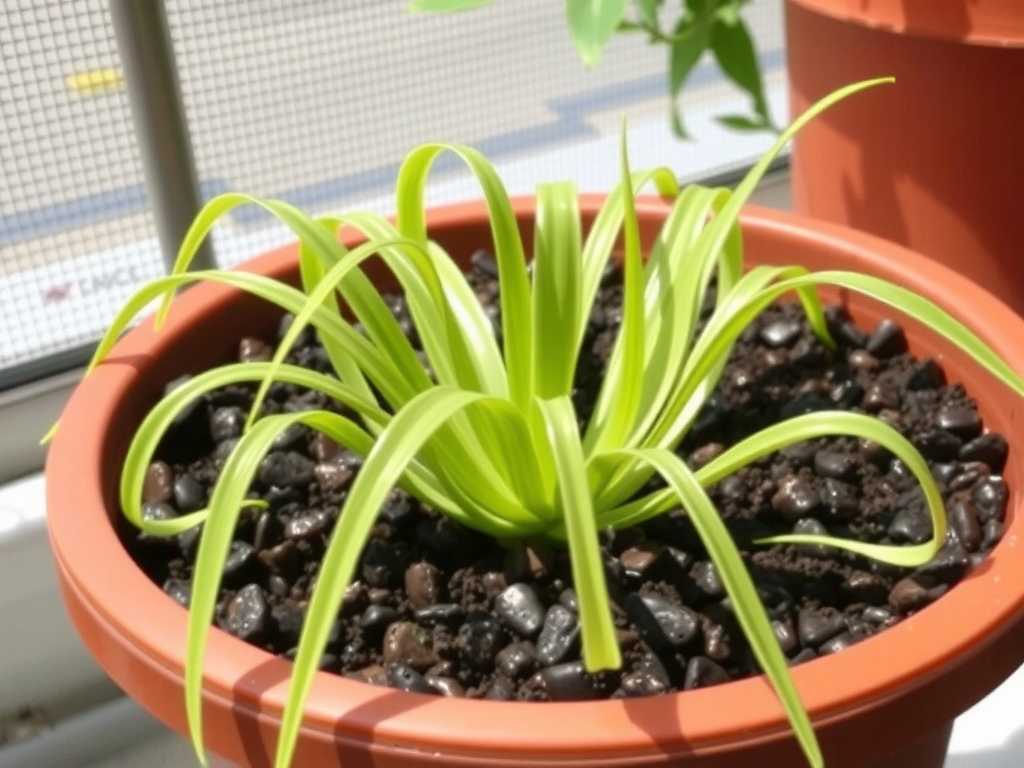
This guide will walk you through exactly why your divided spider plant struggles and how to use these specific techniques to help it not just survive, but thrive in its new pot.
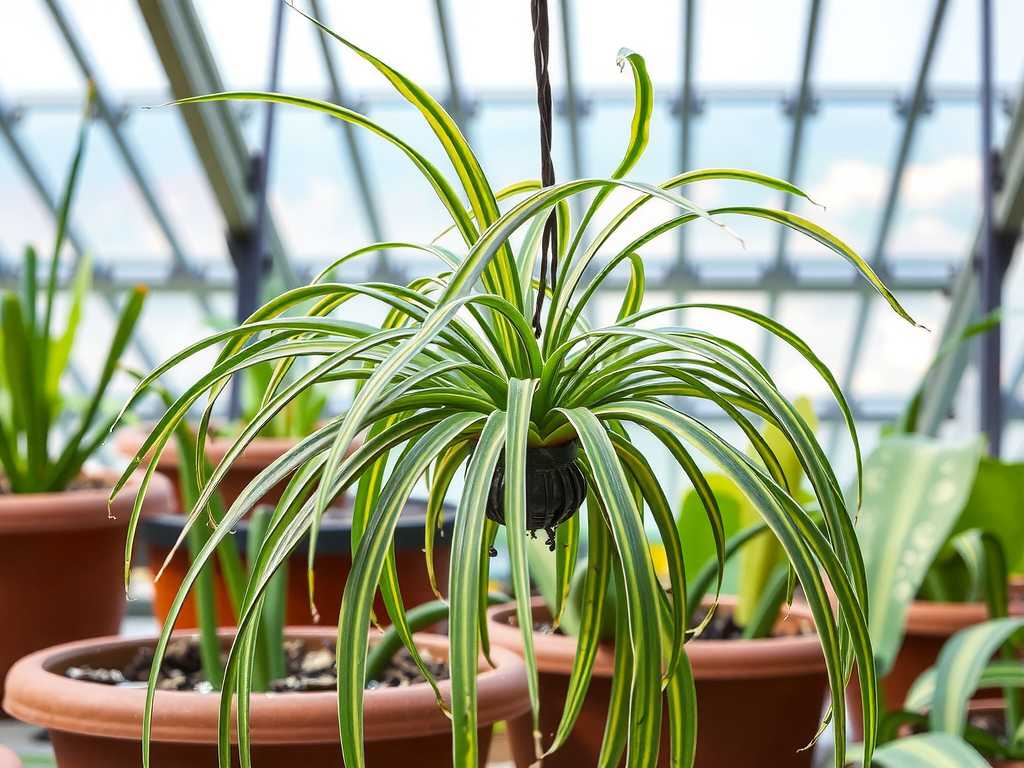
Understanding the Shock: Why Your Divided Spider Plant Wilts
A spider plant, or Chlorophytum comosum, is remarkably resilient, but division is a major surgery from its perspective. When you separate pups or split a mature root ball, you inevitably damage the delicate root hairs responsible for water and nutrient uptake. Even with the best care, the plant’s root system is temporarily compromised and cannot support the full foliage mass it once did.
The wilting you see is primarily transpirational stress. The leaves continue to lose water vapor (transpire), but the damaged roots cannot draw up enough moisture from the soil to replace it. This creates a water deficit, leading to drooping and limp leaves. It’s the plant’s direct signal that it needs to reduce stress and rebalance. Your goal during this post-division recovery phase is to minimize this stress while the roots heal and regrow.
Core Strategy 1: The Protective Power of Strategic Shading
Immediately after division, direct sunlight is your plant’s enemy. Bright, direct rays increase the rate of transpiration, forcing the leaves to lose water faster than the fragile roots can supply it. This exacerbates wilting and can lead to sunburn on tender, stressed foliage.
- Immediate Action (First 7-10 Days): Place your newly potted spider plant division in a location with bright, indirect light. An east-facing window is ideal, or a spot a few feet back from a south or west-facing window. You can also use a sheer curtain to filter direct sun. The aim is to provide ample light for photosynthesis without the heat and intensity that drives excessive water loss.
- The Acclimation Process: After the initial 1-2 weeks, if your plant shows signs of perking up and new growth (even a tiny new leaf is a great sign), you can begin to gradually introduce it to brighter light. Move it incrementally closer to its final, brighter spot over another 7-10 days. This slow adjustment to new light conditions prevents a second round of shock.
- Expert Insight: Horticulturists often refer to this as “hardening off.” As noted in the Journal of Environmental Horticulture, reducing light intensity post-transplant significantly lowers physiological stress in herbaceous perennials, allowing energy to be redirected to root regeneration.
Core Strategy 2: The Critical Low-Water Method for Root Recovery
This is where most well-intentioned plant owners go wrong. The instinct is to water a wilting plant heavily. For a divided spider plant, this is often fatal. Waterlogged soil around damaged roots creates an anaerobic environment, leading to root rot, which further destroys the plant’s ability to recover. Your mantra must be: Moist, not soggy.
- The Initial Watering: When you first pot the division, water it thoroughly until water runs from the drainage holes. This settles the soil and eliminates large air pockets. Then, stop.
- The “Finger Test” Rule: For the next 2-3 weeks, resist a fixed watering schedule. Instead, check the soil moisture by inserting your finger about 2 inches deep. Water only when the top two inches of soil are completely dry. This low-water approach during establishment encourages the roots to grow outward in search of moisture, strengthening the new root system.
- Signs to Watch: Slight wilting may persist even if the soil is moderately moist—this is often due to root damage, not lack of water. Adding more water will not fix it and will likely make it worse. Focus on the soil dryness as your primary cue, not the leaf droop alone.
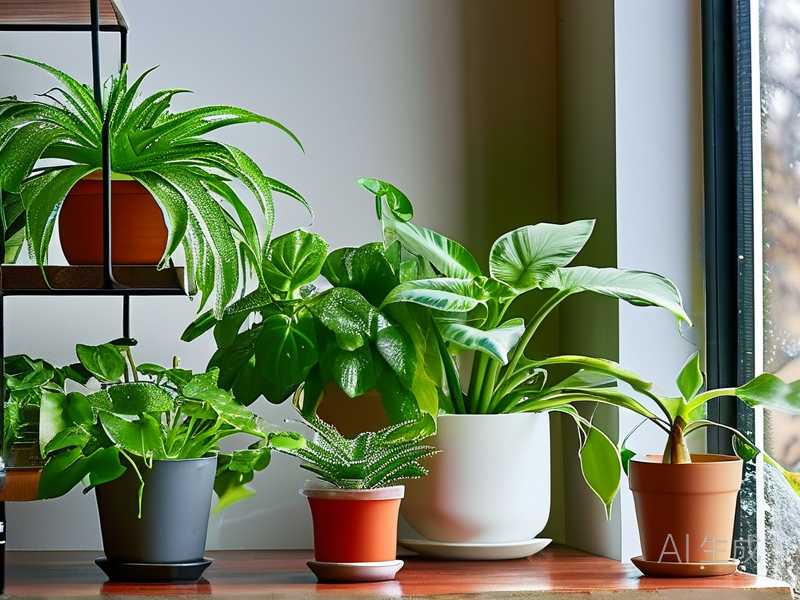
- Humidity as a Helpful Tool: While keeping the soil on the drier side, you can gently support the foliage by increasing ambient humidity. Placing the pot on a pebble tray with water or grouping it with other plants creates a microclimate that reduces transpirational water loss from the leaves, easing the burden on the roots.
A Step-by-Step Acclimatization Timeline for Your Divided Spider Plant
Let’s combine shading and watering into a clear, actionable plan for the first month.
- Day 1-3 (The Critical Settling Phase):
- Pot division in well-draining soil.
- Water thoroughly once, then place in bright, indirect light with no direct sun.
- Expect some wilting; this is normal.
- Day 4-14 (The Root Regeneration Phase):
- Do not water unless the top 2 inches of soil are bone dry.
- Maintain consistent shading. Ensure good air circulation.
- Look for the wilting to stabilize or slightly improve.
- Day 15-30 (The Recovery & Acclimation Phase):
- When new growth appears, begin slowly increasing light exposure.
- Continue the “finger test” watering method, allowing the soil to dry out between waterings.
- A light, diluted application of balanced fertilizer can be given at the end of this period if growth is vigorous.
- Beyond 1 Month (Established Growth):
- Your plant can now be moved to its permanent, brighter location (spider plants prefer bright, indirect light).
- Resume a regular watering routine, still taking care to avoid overwatering.
Addressing Common Concerns and Questions
My spider plant’s leaves are turning brown at the tips after division. Is this normal? Yes, this is a common secondary stress response. Combined with the root disturbance, changes in humidity and mineral uptake (especially fluoride in tap water) can cause brown tips. Focus on perfecting your core watering and light strategy first. You can trim the brown tips for aesthetics once the plant is fully recovered.
How long should the acclimatization period last before I see significant improvement? Most divided spider plants show clear signs of recovery—like firming leaves and new growth—within 2 to 4 weeks if the shading and low-water methods are followed. Full establishment, where the plant resumes vigorous growth, typically takes 1-2 full growing seasons.
Should I use a rooting hormone when dividing my spider plant? While not necessary for spider plants, which root readily, a mild rooting hormone powder can be used on the fresh root divisions. It may provide a slight boost and offer some antifungal protection. However, proper post-division care (shading and correct watering) is far more critical for success than any additive.
Watching a spider plant wilt after division tests your patience, but it’s a manageable process. By prioritizing root recovery through calculated shading and a restrained watering hand, you work with the plant’s natural healing process. Remember, the wilting is a message, not a death sentence. Providing a stable, low-stress environment during this delicate post-division transition gives your spider plant the best possible foundation for a future of lush, vibrant growth. Your reward will be not one, but multiple healthy, thriving plants.