bluename
 spider plant Root Rot in Hydroponics: Treatment of Lowering Water Level + Frequent Water Changes
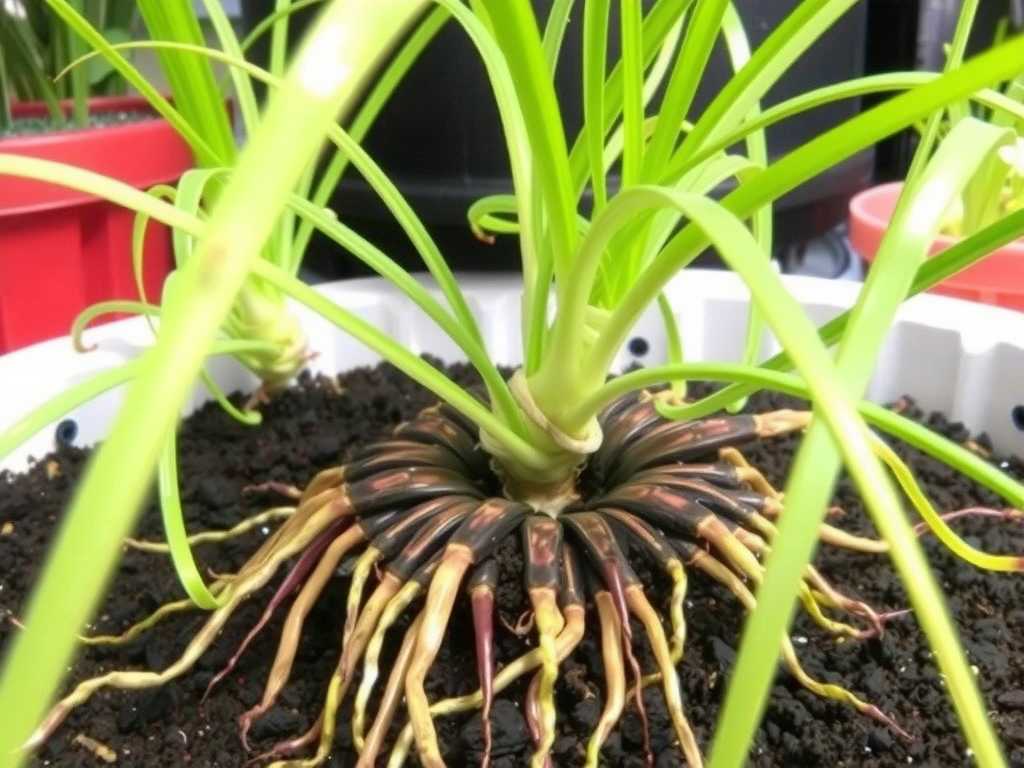
Discovering your lush, vibrant spider plant (Chlorophytum comosum) suddenly wilting, with roots turning from a healthy white to a mushy brown in your hydroponic system, is a heart-sinking moment for any indoor gardener. Root rot is a silent killer in water-based gardens, often striking when you least expect it. The good news? If caught early, this condition is highly treatable, and your plant can make a full recovery. The most effective and immediate treatment strategy revolves around two critical, interconnected actions: lowering the water level and implementing frequent water changes. This guide will walk you through exactly how and why this combination works to rescue your plant and restore its root health.
Understanding Hydroponic Root Rot: The Silent Culprit
Root rot in hydroponics is primarily caused by oxygen deprivation, not just the presence of pathogens like Pythium or Fusarium. In a stagnant, overly full container, roots consume the dissolved oxygen in the water. Without fresh air exchange, they suffocate, die, and begin to decay. This decaying tissue then creates a perfect environment for harmful anaerobic bacteria and fungi to thrive, accelerating the rot. The visual signs are unmistakable: brown, black, or slimy roots, a foul, swampy odor from the water, and yellowing, limp leaves on the plant above. Addressing this requires re-oxygenating the root zone and halting the decay cycle.
Immediate Rescue Protocol: The Two-Step Treatment
Time is of the essence when treating root rot. Begin this protocol as soon as you notice the first signs.
Step 1: Lowering the Water Level for Critical Oxygenation
The single most important step is to drastically reduce the water level in your vessel. Do not submerge the entire root mass. Instead, pour out the old water until only the bottom 25-30% of the root system is in contact with the fresh solution. This is non-negotiable.
The science is clear: plant roots require oxygen for respiration. Dr. Lynette Morgan, a noted hydroponics expert, emphasizes that "the root zone oxygen level is one of the most critical factors in hydroponic success." By lowering the water, you expose the majority of the root system to humid air within the container. This allows them to breathe directly, a process crucial for cell function and nutrient uptake. The aerial sections of the roots will begin to dry slightly, forming a callus over damaged areas and stopping the spread of rot. This environment is hostile to the anaerobic organisms causing decay but perfect for healthy root recovery.
Step 2: Implementing Frequent Water Changes to Reset the Environment
Simply lowering old, contaminated water is not enough. You must replace it with fresh, clean, oxygenated water or a very mild nutrient solution. For the first week of treatment, change the water every 48 hours. This frequency is a cornerstone of the treatment for hydroponic spider plant root issues.
Each complete water change achieves three vital goals:
- It removes the waste products and toxins released by decaying roots.
- It replenishes dissolved oxygen in the water that the remaining healthy roots can access.
- It physically flushes away pathogens before they can re-colonize.
Use lukewarm water. If using tap water, let it sit for 24 hours to allow chlorine to evaporate, as this chemical can further stress damaged roots. For the first few changes, consider using a diluted hydrogen peroxide solution (1-2 ml of 3% H2O2 per liter of water) to help disinfect the remaining healthy roots and add oxygen. Do not use peroxide for more than 2-3 changes.
Post-Treatment Care and Monitoring
After 7-10 days of strict adherence to low water levels and frequent changes, you should see clear signs of recovery. The foul smell will be gone, new, firm white root tips (root initials) may appear, and leaf deterioration should halt.
- Gradual Nutrient Reintroduction: Only after recovery begins should you add a very diluted hydroponic nutrient solution—start at 1/4 strength. The goal of lowering water level for spider plant health is to prioritize oxygen over nutrients during the crisis.
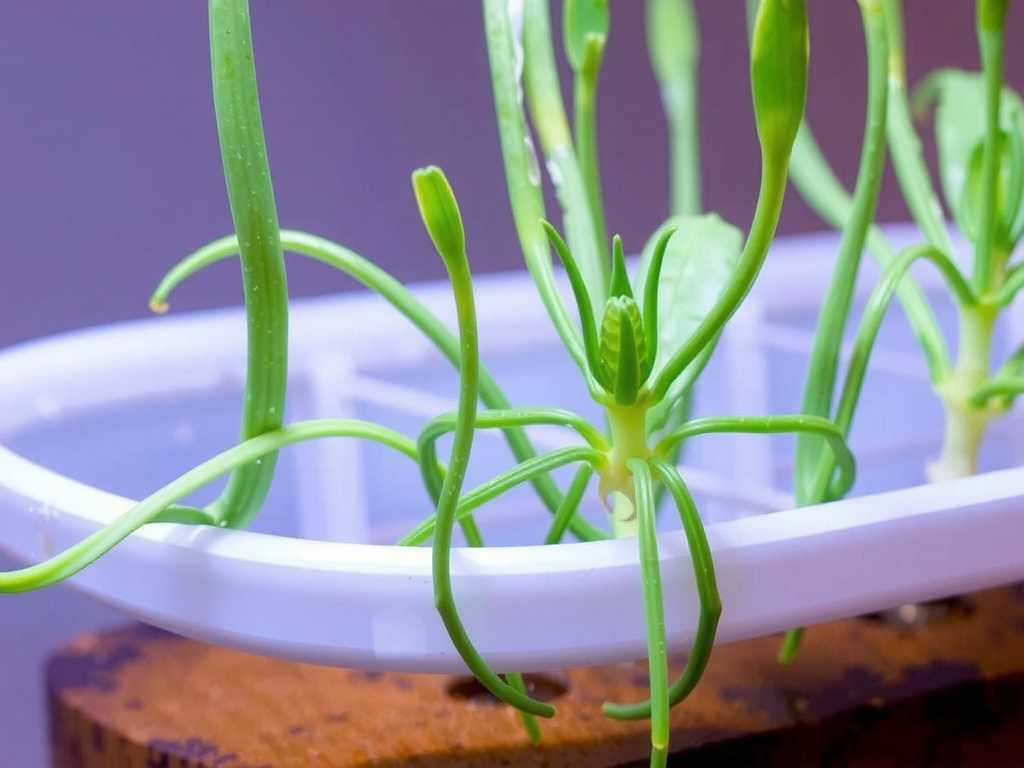
- Adjust Water Level Permanently: Make the new, lower water level your standard practice. In passive hydroponic systems like a vase or jar, never let the water cover more than the bottom third to half of the root system. The upper roots must remain in the air gap.
- Upgrade for Prevention: Consider adding an aquarium air stone and small pump to your setup. This continuously bubbles oxygen into the water, virtually eliminating the risk of future oxygen starvation and making your system more resilient.
Why This Combined Method is the Gold Standard
This two-pronged approach directly attacks the root cause—oxygen starvation—while managing the symptoms of decay. Lowering the water provides immediate aerial oxygen access, and frequent changes maintain a clean, oxygen-rich aquatic environment. Industry reports on indoor plant care consistently show that managing water level and changes is the highest-impact factor for preventing and resolving hydroponic root diseases. It’s a method backed by both plant physiology and practical gardening experience.
Addressing Common Grower Concerns
- Can I use fungicides instead? While commercial fungicides exist for hydroponics, they are a secondary treatment. They may kill pathogens but do not solve the underlying oxygen deficiency. Correcting the water environment is always the first and most critical step. Focus on creating healthy conditions rather than just eliminating the symptom.
- How long until I see new growth? With proper treatment, the progression of yellowing leaves should stop within a week. Visible new white root growth can take 2-3 weeks. Be patient; the plant is redirecting energy to root repair before producing new foliage.
- Should I cut off all the brown roots? It’s necessary to gently remove any roots that are completely mushy and sloughing off. However, if a root is firm but discolored (brown or tan), you can leave it. The key is texture, not color. Over-trimming can shock the plant. The fresh water and oxygen will allow the plant to recover and eventually shed truly dead material on its own.
Rescuing a spider plant from root rot in hydroponics is a straightforward process of emulating nature’s balance: air and water. By decisively lowering the water level to grant the roots the air they desperately need and diligently changing the water to keep it fresh and oxygen-rich, you create the ideal conditions for recovery. This method not only treats the immediate crisis but also establishes a healthier growing practice for the future. Your spider plant is remarkably resilient; with these focused actions, you’ll likely see it return to its cascading, vibrant glory, thriving once more in its water garden home.