bluename
 Reviving Your spider plant: The Ultimate Guide to Fixing Soil Compaction
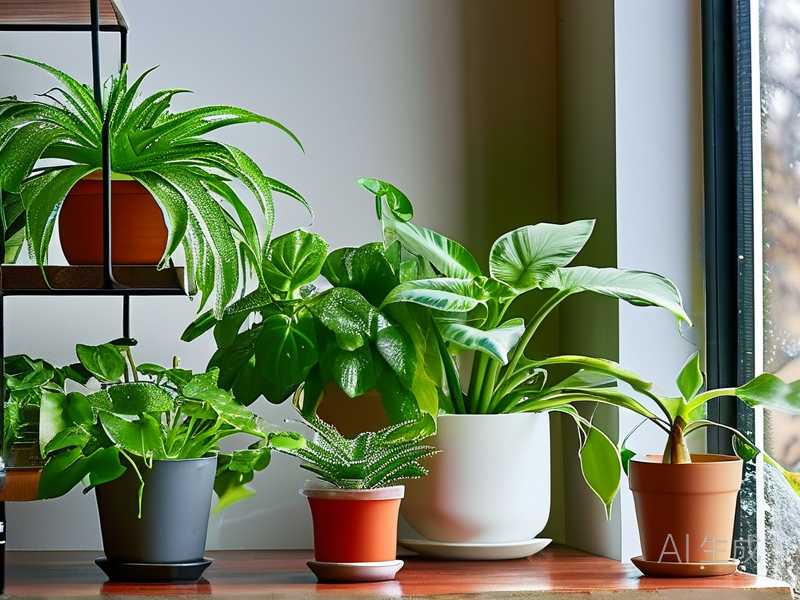
You've given your spider plant the perfect spot with indirect light, you water it diligently, yet it looks unhappy. The leaves may be turning brown at the tips, growth has stalled, and water seems to pool on the soil surface before finally draining. The silent culprit behind these frustrating symptoms is often spider plant soil compaction. Hard, dense soil suffocates the roots of your Chlorophytum comosum, preventing it from thriving. This guide provides a complete improvement plan of loosening soil and adding humus to restore your plant's vitality and ensure lush, cascading foliage.
Understanding Soil Compaction: Why Your Spider Plant Suffers
Spider plants are known for being resilient, but they have one critical vulnerability: their thick, tuberous roots. These roots require well-aerated, loose soil to breathe, absorb nutrients, and store water. Over time, repeated watering, the natural breakdown of organic matter, and the pressure from the root mass itself cause the soil particles to settle tightly together.
Compacted soil creates a hostile environment. It severely reduces pore space—the tiny gaps between soil particles that hold air and allow water to flow. A study on soil physical properties highlights that compaction can reduce air-filled porosity by over 50%, directly impacting root respiration. Your plant's roots essentially begin to drown and starve in their own pot.
Diagnosing Compacted Soil in Your Spider Plant
Before taking action, confirm the problem. Here are clear signs:
- Water Runoff: Water sits on the surface or immediately flows down the inner pot edges without soaking in.
- Stunted Growth: No new plantlets (spiders) and minimal new leaf production.
- Root-Bound Clues: Roots are visibly circling the topsoil or growing out of drainage holes.
- The Finger Test: Gently poke a finger or a stick into the soil. If you meet significant resistance just an inch or two down, the soil is compacted.
The Improvement Plan: Loosening Soil and Adding Humus
This two-part strategy addresses both the immediate physical problem and the long-term soil structure.
Phase 1: The Careful Loosening Process
Warning: Be gentle to avoid excessive root damage. The best time for this is during active growth in spring or early summer.
- Prepare Your Plant: Water the spider plant lightly a day before. Slightly moist soil holds together better than bone-dry or soggy soil.
- Remove the Plant: Tip the pot on its side and gently ease the root ball out. Support the base of the plant.
- Inspect and Loosen the Root Ball: Using your fingers, not tools, gently tease apart the outer layer of roots and soil. For severe cases, you can soak the root ball in a basin of water for an hour to help soften and dissolve the hard soil. Carefully massage it apart under running water.
- Prune if Necessary: Trim away any black, mushy, or excessively circling roots with sterile scissors.
Phase 2: Replanting with a Humus-Rich, Well-Aerated Mix
This is where you create a permanent solution. Adding humus is non-negotiable. Humus, the stable end product of decomposed organic matter, acts like a sponge and a glue. It improves drainage while helping soil retain moisture and nutrients, and its particles bind with clay or silt to create a crumbly, aerated structure.
Creating the Ideal Spider Plant Soil Blend:
- Base Potting Mix (40%): A standard, peat-free all-purpose mix.
- Humus/Compost (30%): Use high-quality, screened garden compost or well-rotted leaf mold. This is your primary humus source.
- Aeration Agents (30%): Perlite or coarse horticultural sand. This ensures pore spaces remain open long-term.
Mix these thoroughly. When repotting, place a layer of fresh mix in the new container (only 1-2 inches larger in diameter than the previous). Position your spider plant and fill in around the roots, gently firming the soil to eliminate large air pockets. Water thoroughly until it drains from the bottom.
Long-Term Prevention: Cultivating Healthy Soil
Your work doesn't end with repotting. Adopt these practices to prevent future compaction in soil cultivation.
- Top-Dressing with Humus: Every spring, scrape off the top inch of old soil and replace it with fresh compost. This feeds the plant and improves soil structure from the top down.
- Watering Wisely: Use the "soak and dry" method. Water deeply until it runs from the drainage holes, then allow the top third of the soil to dry out completely before watering again. This cycle of wetting and drying promotes soil structure.
- Consider Soil Amendments: For an extra boost, incorporate a handful of worm castings into your mix or as a top-dress. They are rich in humus and beneficial microbes.
Frequently Asked Questions
Can I just poke holes in the soil to aerate it? For mildly compacted soil, gently aerating with a chopstick can provide temporary relief. However, for severely compacted or root-bound plants, this is a superficial fix. Proper repotting with a humus-rich mix is the only definitive solution to address the root cause.
How often should I repot to prevent compaction? Spider plants typically need repotting every 2-3 years. Look for the diagnostic signs mentioned earlier, rather than sticking to a strict calendar. A plant in a well-structured, humus-rich mix may go longer without issues.
Is store-bought potting soil good enough, or do I need to amend it? Most commercial "all-purpose" mixes are peat-based and can compact over time. For spider plants, it is highly recommended to amend any store-bought mix with at least 25% perlite and 25% compost. This simple step transforms an average mix into an ideal, long-lasting home for your plant's roots.
Addressing spider plant soil compaction is the most impactful care step beyond basic watering and light. By implementing this improvement plan of loosening soil and adding humus, you move from simply keeping your plant alive to enabling it to flourish. Healthy soil is the foundation of a healthy plant. With loose, humus-rich conditions, your spider plant will reward you with vigorous growth, vibrant variegation, and an abundant cascade of baby spiderettes.