bluename
 Your spider plant's Leaves Are Losing Their Shine? Here’s How Foliar Fertilizer Can Fix Nutrient Deficiency
You’ve lovingly cared for your spider plant, expecting its signature vibrant, arching leaves. Instead, you’re met with a disappointing sight: leaves that are pale, lackluster, or even developing brown tips. This loss of luster is a common cry for help. While watering and light are often checked first, the issue frequently lies beneath the surface—a silent hunger for specific nutrients. When the soil root system isn’t delivering what the plant needs, either due to poor soil or root issues, there’s a direct and effective solution: foliar fertilizer usage for nutrient deficiency. This method delivers nutrients straight to the leaves, offering a rapid remedy to restore your plant's health and vibrancy.
Understanding Why Your Spider Plant Leaves Lack Luster
Before reaching for any solution, it's crucial to diagnose the problem correctly. Lackluster leaves are a symptom, not the disease itself.
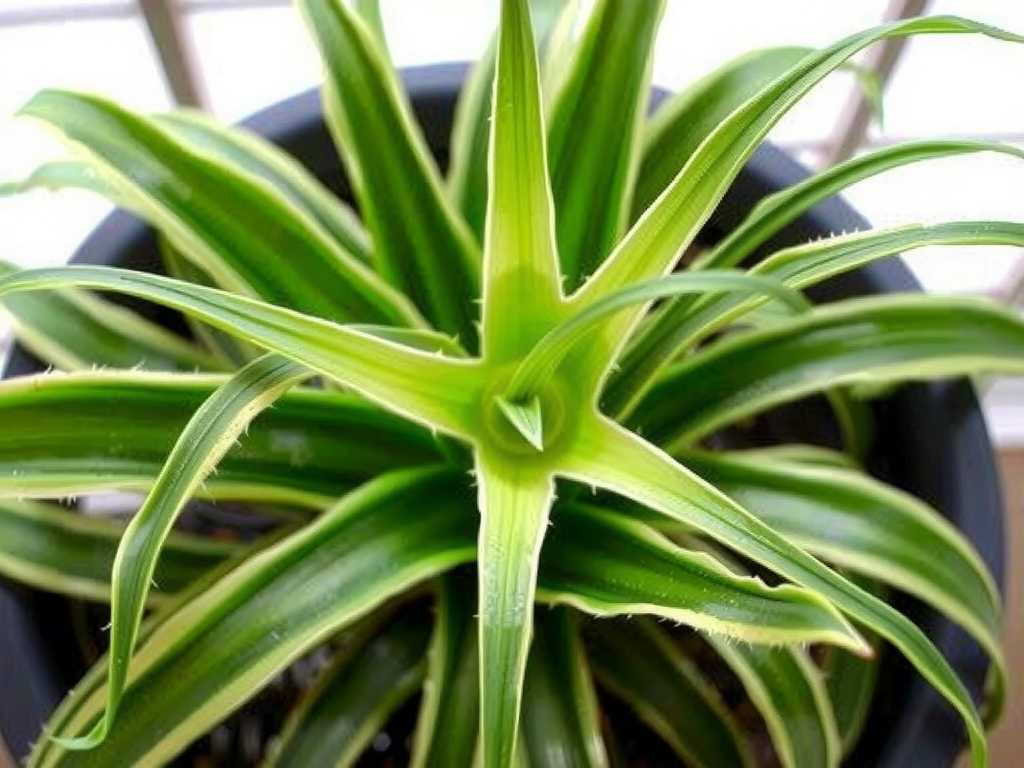
Common Causes of Dull Foliage:
- Nutrient Deficiency: This is the primary suspect. Key deficiencies manifest in specific ways. Nitrogen shortage leads to overall pale green or yellowing leaves, starting with the older ones. Iron deficiency causes young leaves to turn yellow while veins stay green (interveinal chlorosis). A lack of magnesium can also cause yellowing, often starting at the leaf edges.
- Water Quality: Spider plants are sensitive to fluoride and chlorine found in tap water, which can accumulate in leaf tips, causing browning and a general dull appearance.
- Incorrect Light: While tolerant, too much direct sun can scorch leaves, bleaching them, while too little light can lead to weak, pale growth.
- Root Bound Conditions: An overcrowded pot limits soil and nutrient availability, starving the plant.
How do you confirm a nutrient deficiency in spider plants? Observe the pattern. Uniform yellowing often points to nitrogen. Yellowing between green veins suggests iron or magnesium. Stunted growth alongside pale leaves reinforces nutrient hunger. A soil test is definitive, but for many houseplant owners, visual clues and process of elimination are the first steps.
What is Foliar Feeding and How Does It Work?
Foliar feeding is the practice of applying a diluted liquid fertilizer directly to a plant's leaves. Unlike traditional soil feeding, which relies on roots to uptake nutrients, foliar spraying allows nutrients to be absorbed directly through the leaf surface, primarily through stomata (tiny pores) and the epidermis.
The Science Behind the Spray: Leaves are surprisingly efficient at absorbing dissolved nutrients. This method bypasses potential soil problems like pH imbalance, poor drainage, or compromised root systems that hinder nutrient uptake. According to research in horticultural science, foliar absorption can be particularly effective for correcting micronutrient deficiencies, such as iron or zinc, because these elements are needed in small amounts and are often immobilized in the soil.
When Foliar Fertilizer is the Best Choice for Spider Plants:
- For Quick Correction: When deficiency symptoms are visible, foliar feeding can show improvements much faster than soil application—sometimes within days.
- When Roots Are Struggling: If the plant is root-bound, recently repotted, or has root damage, its ability to feed from the soil is impaired.
- To Supplement Soil Feeding: It serves as an effective mid-season boost, especially during active growth periods in spring and summer.
- For Targeted Micronutrient Delivery: It's the most efficient way to address specific deficiencies like iron chlorosis.
A Step-by-Step Guide to Using Foliar Fertilizer on Spider Plants
Applying foliar spray correctly is key to success and safety. Incorrect mixtures or timing can damage leaves.
1. Choosing the Right Foliar Fertilizer: Select a balanced, water-soluble fertilizer designed for houseplants or foliage plants. For a suspected iron deficiency in spider plants, look for a fertilizer that contains chelated iron. Organic options like diluted seaweed or fish emulsion are also excellent. Always ensure the product is suitable for foliar application by checking the label.
2. The Proper Dilution and Mixing: This is critical. Always dilute more than the soil application rate. A good starting point is ¼ to ½ the strength recommended on the label for soil drenching. Over-concentration can lead to fertilizer burn on the leaves. Use lukewarm, distilled or filtered water to avoid chemical interactions with tap water additives. Mix thoroughly.
3. Application Technique for Best Results:
- Timing: Apply early in the morning or late in the evening when stomata are more likely to be open and the sun is not intense. Never spray in direct sunlight, as droplets can act as magnifying glasses and burn the foliage.
- Method: Use a clean, fine mist spray bottle. Thoroughly mist the entire plant, covering both the tops and undersides of the leaves until the solution begins to drip lightly. The undersides of leaves often have more stomata and can be more absorptive.
- Environment: Apply in a well-ventilated area but away from strong drafts. Ensure the plant is not under water stress (i.e., slightly wilted) before application.
4. Frequency of Application: Foliar feeding is a supplement, not a replacement for soil fertility. For correcting a deficiency, you might spray once every 7-10 days for 2-3 applications. Once the plant shows improvement, reduce to once a month or switch back to regular soil feeding. Overuse can clog leaf pores.
Key Nutrients for Vibrant Spider Plant Leaves and Deficiency Signs
Knowing what your plant lacks guides your fertilizer choice.
- Nitrogen (N): Essential for chlorophyll and lush, green growth. Deficiency Sign: Overall pale green or yellowing leaves, starting with the oldest.
- Iron (Fe): Crucial for chlorophyll synthesis. Deficiency Sign: Young leaves turn yellow between dark green veins (interveinal chlorosis).
- Magnesium (Mg): The central atom in a chlorophyll molecule. Deficiency Sign: Yellowing at leaf edges and between veins on older leaves.
- Potassium (K): Aids in overall plant vigor and water regulation. Deficiency Sign: Browning leaf tips and margins, often starting on older leaves.
A balanced foliar spray for houseplants will contain these micronutrients alongside primary ones, providing a comprehensive fix for lackluster foliage.
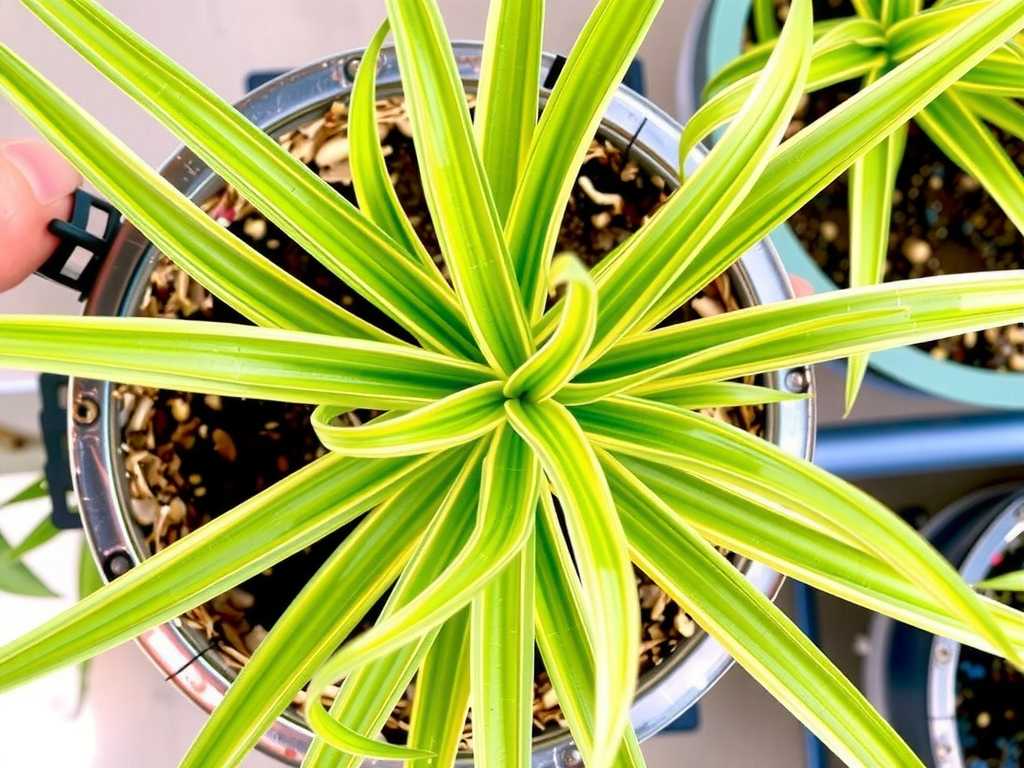
Best Practices and Safety Tips for Foliar Feeding
To ensure effectiveness and avoid harm, follow these guidelines:
- Test First: Always test the spray on a single leaf or small section. Wait 24-48 hours to check for any adverse reaction (burn spots, excessive yellowing) before treating the whole plant.
- Avoid Blooms: If your spider plant is flowering, try to avoid spraying the delicate flowers directly.
- Clean Leaves: Gently wipe leaves with a damp cloth every few weeks to remove dust, which can block absorption. Do this well before or after foliar feeding.
- Integrate with Overall Care: Foliar feeding works best as part of holistic care. Ensure your spider plant is in well-draining soil, receives bright indirect light, and is watered with filtered water when the top inch of soil is dry. Repot every 2-3 years to refresh the soil and give roots space.
Can I use foliar fertilizer on all my houseplants? While many foliage plants benefit from it, always research specific plants. Some plants with fuzzy leaves (e.g., African Violets) or those prone to leaf diseases may not be ideal candidates, as moisture can be trapped against the leaf.
How quickly will I see results after foliar feeding my spider plant? For a clear nutrient deficiency, you may notice improvement in leaf color within a week, especially with micronutrients like iron. Full recovery and new, vibrant growth will take several weeks. It’s a rapid intervention, not an instant cure.
Is foliar feeding better than root feeding for spider plants? Not necessarily "better," but different. Root feeding builds long-term soil fertility and plant health. Foliar feeding is a fast-acting supplement or corrective treatment. The most robust care strategy uses both methods appropriately: soil feeding as the primary nutrition and foliar feeding as a targeted boost or quick fix when signs of nutrient deficiency in spider plants appear.
Seeing your spider plant’s leaves regain their deep, glossy green and bold white stripes is immensely rewarding. By understanding the signs of nutrient hunger and harnessing the direct delivery system of foliar feeding, you can intervene effectively and efficiently. Remember, the goal is to support the plant’s overall health. Use foliar fertilizer as a precise tool in your plant care toolkit—complementing proper watering, ideal lighting, and periodic soil replenishment. With this balanced approach, your spider plant will not only recover its luster but will thrive, producing abundant healthy leaves and cascading plantlets for years to come.