bluename
 spider plant Mixed Pest and Disease Infestation: Sequence of Controlling Insects First Then Diseases
You’ve lovingly cared for your spider plant, only to find it looking sad and unhealthy. Yellowing leaves, sticky residue, strange spots, and stunted growth – it’s a distressing sight. Often, the problem isn’t just one thing; it’s a spider plant mixed pest and disease infestation. This complex situation can feel overwhelming, but the key to successful recovery lies in a critical, often overlooked strategy: controlling insects first, then tackling diseases. Getting this sequence wrong can render your efforts futile. This guide will walk you through the precise, step-by-step logic and actions needed to rescue your plant effectively.
Why the “Insects First, Diseases Second” Sequence is Non-Negotiable
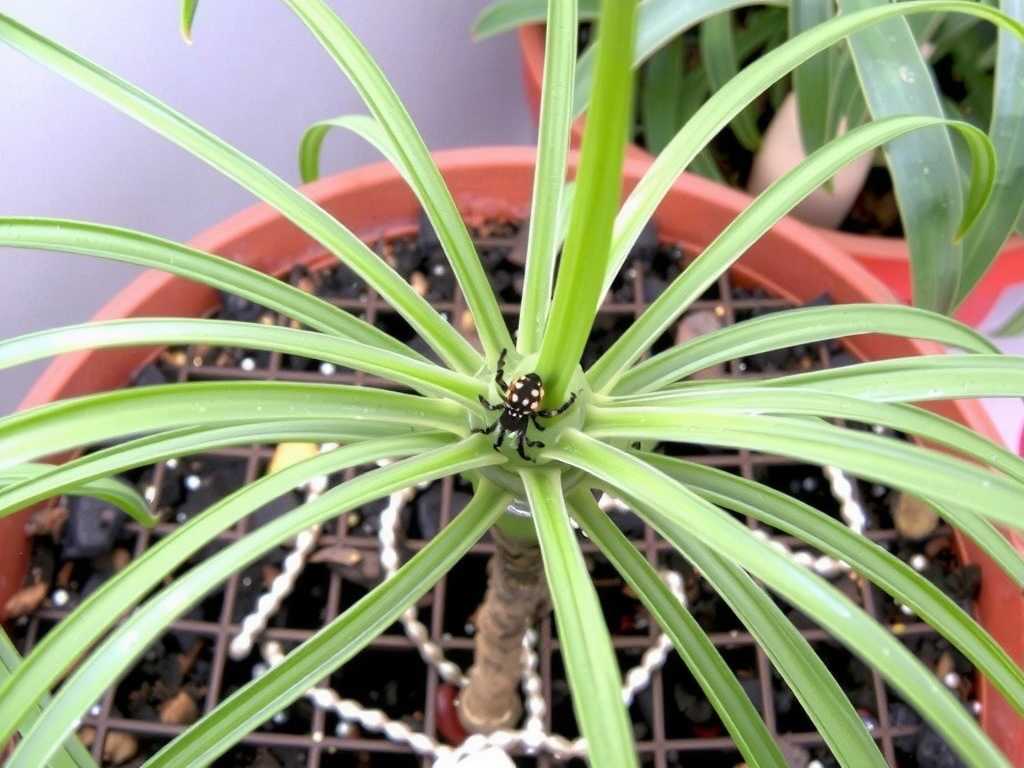
Treating diseases before pests is like mopping a floor while the faucet is still running. Many common spider plant pests, such as aphids, scale, and mealybugs, are more than just sap-suckers; they are direct vectors for pathogens. These insects create open wounds on leaves and stems through their feeding, providing an easy entry point for fungal and bacterial spores. Furthermore, pests like aphids and whiteflies excrete a sugary substance called honeydew, which coats the foliage. This sticky residue is the perfect medium for sooty mold, a secondary fungal disease that blocks sunlight and hampers photosynthesis.
Therefore, applying a fungicide to a plant still crawling with pests is a temporary fix at best. New wounds and honeydew will continue to appear, reinfecting the plant and wasting your treatment. By systematically eliminating pests first, you remove the primary cause of damage and the vector spreading disease, making subsequent disease control measures far more effective and long-lasting.
Step 1: Accurate Diagnosis – Identifying the Culprits
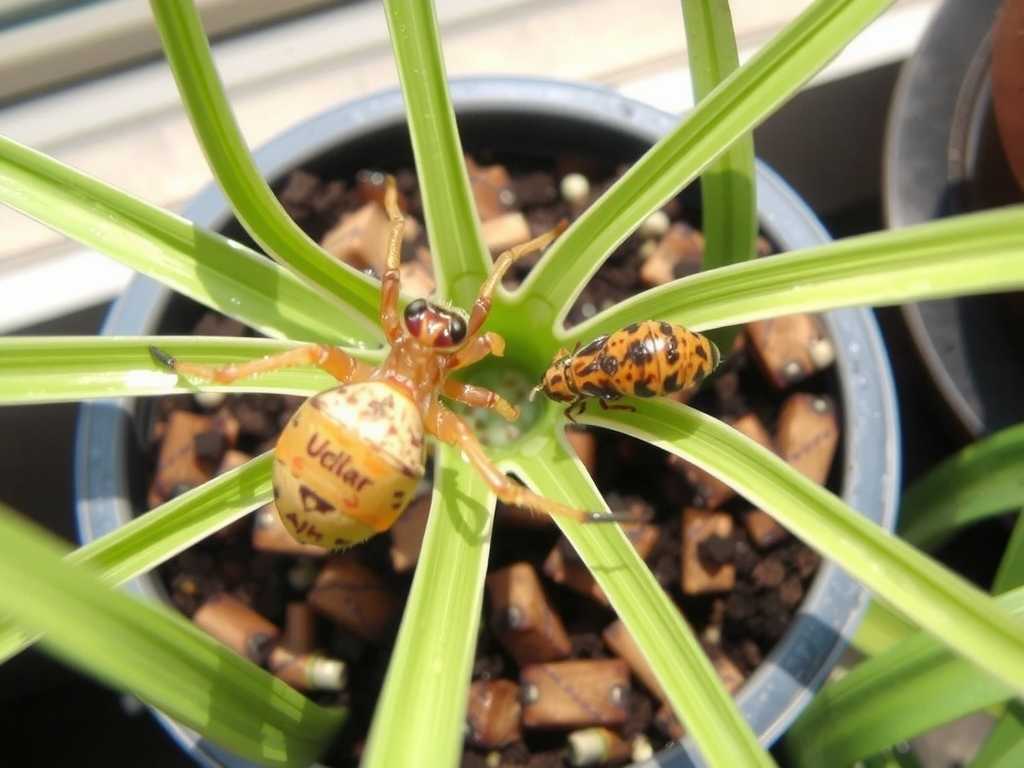
Before any action, precise identification is crucial. Isolate the affected plant to prevent spread.
-
Common Pests to Look For:
- Aphids: Tiny, pear-shaped insects in green, black, or white, often clustered on new growth and undersides of leaves.
- Spider Mites: Nearly microscopic, they cause fine stippling (yellow dots) and webbing, especially in dry conditions.
- Mealybugs: Appear as small, white, cottony masses in leaf axils and on stems.
- Scale: Look like small, brown, tan, or white bumps stuck to leaves and stems. They may not move.
- Whiteflies: Tiny, moth-like insects that flutter up when the plant is disturbed.
-
Common Diseases Often Following Pests:
- Sooty Mold: A black, powdery coating that grows on honeydew.
- Leaf Spot Diseases: Circular brown or black spots with yellow halos, often bacterial or fungal.
- Root Rot: Caused by overwatering, but pests weaken the plant, making it more susceptible. Symptoms include mushy brown roots and wilting leaves.
Step 2: The Initial Triage and Physical Intervention
Begin with non-chemical methods to reduce populations immediately.
- Isolation: Immediately separate the infested plant from others.
- Pruning: Using sterilized scissors, remove severely infested or diseased leaves. Dispose of them in a sealed bag, not the compost.
- Water Spray: A strong jet of lukewarm water can dislodge aphids, spider mites, and whiteflies. Focus on leaf undersides.
- Manual Removal: For scale and mealybugs, dip a cotton swab in rubbing alcohol (70% isopropyl) and dab each insect directly. This dissolves their protective coating.
- Cleaning: Gently wipe remaining leaves with a soft cloth dipped in a mild soapy water solution (use insecticidal or castile soap) to remove honeydew, sooty mold, and any remaining small pests. Rinse the leaves afterward.
Step 3: Implementing the “Insects First” Control Protocol
After physical cleanup, it’s time for targeted pest control.
- Choose Your Treatment: For a spider plant mixed pest and disease infestation, starting with a horticultural oil or insecticidal soap is ideal. These are contact treatments that smother soft-bodied insects (aphids, mites, young scale) and are less harmful to beneficial organisms. Neem oil is another excellent option, acting as both an insecticide and a mild fungicide, but its primary initial role here is pest suppression.
- Application is Key: Thorough coverage is essential. Spray every part of the plant—top and bottom of every leaf, every stem, and the base—until it drips. The undersides are where pests hide.
- Persistence Pays Off: Most organic treatments require repeat applications. Follow the product label, typically reapplying every 5-7 days for 2-3 weeks. This breaks the life cycle of pests, ensuring you eliminate newly hatched nymphs.
As noted by Dr. Eleanor Voss, a plant pathologist, “In integrated pest management, we address the primary stressor first. Insects that cause physical damage are that primary stressor, paving the way for secondary pathogens. Removing them changes the entire disease equation.”
Step 4: Transitioning to “Diseases Second” Management
Once the pest population is under control (you see no live insects after a few days of observation), shift your focus to the lingering diseases.
- Assess the Damage: Re-evaluate the plant. Has the sooty mold stopped spreading now that honeydew is gone? Are leaf spots still active?
- Targeted Disease Treatment:
- For sooty mold, it often flakes away after cleaning. Continued pest prevention is its cure.
- For active fungal leaf spots, apply a suitable fungicide. Copper-based fungicides or those containing chlorothalonil can be effective. Always choose a product labeled for use on houseplants and follow instructions meticulously.
- For suspected bacterial issues, improve air circulation, avoid wetting foliage, and remove affected leaves. Bactericides are less common for home use; cultural control is key.
- Support Root Health: If the plant was weakened, consider a very gentle, diluted feeding after a few weeks of recovery. Ensure the potting mix is well-draining and you are watering correctly—moist but never soggy—to prevent stress-related diseases like root rot.
Step 5: Ongoing Monitoring and Prevention
Recovery takes time. Keep the plant in isolation for at least a month after all signs of pests and diseases are gone.
- Weekly Checks: Inspect leaves closely for any resurgence.
- Optimize Conditions: Spider plants thrive in bright, indirect light with moderate watering. A healthy plant is your best defense. Avoid over-fertilizing, as tender new growth attracts aphids.
- Introduce Beneficials: For persistent pest issues, consider biological controls like ladybugs (for aphids) or predatory mites (for spider mites) in enclosed spaces.
Why did my spider plant get pests and diseases at the same time? This is common. Pests weaken the plant’s natural defenses and create physical damage. This stress and the open wounds make the plant highly vulnerable to airborne or soil-borne pathogens that it could normally resist. The honeydew some pests produce also directly fuels fungal growth.
Can I use a pesticide and fungicide mix to save time? It is strongly discouraged. Combining chemicals can stress the plant further, cause phytotoxicity (leaf burn), and is often unnecessary. The sequential approach is more targeted and safer. If you must, use a ready-mixed product specifically formulated for that purpose, and only after confirming it’s safe for spider plants.
How long will it take for my spider plant to recover fully? Patience is vital. You may see new, healthy growth within 3-4 weeks of successful treatment. However, existing damaged leaves will not repair themselves. The plant’s full recovery, where it regains its former lushness and size, can take several months of consistent care in ideal conditions. The goal is to stop the infestation and nurture the new growth.
Successfully resolving a spider plant mixed pest and disease infestation hinges on a logical, patient sequence. By first eradicating the insect pests that cause damage and spread illness, you eliminate the source of the problem. This creates a stable foundation for then addressing the secondary fungal or bacterial diseases. This methodical, two-phase approach—controlling insects first, then diseases—aligns with the plant’s own recovery biology, giving your spider plant the best possible chance to return to vibrant health.