bluename
 spider plant Young Leaves Are Deformed: A Guide to Stability Adjustment for Sudden Environmental Changes
You’ve nurtured your spider plant, watching it produce cheerful runners and new baby plantlets. But then, you notice something unsettling. The young leaves, the very symbols of new growth, are emerging twisted, curled, or strangely narrow. This common yet distressing issue often points to one underlying cause: instability. When a spider plant experiences sudden environmental changes, its developing foliage bears the brunt of the stress, resulting in deformed growth. Understanding how to restore and maintain stability is key to helping your plant produce the long, graceful, and perfectly formed leaves it’s known for.
This guide will walk you through the precise stability adjustment tips needed to correct and prevent deformed leaves, ensuring your spider plant thrives even when conditions shift.
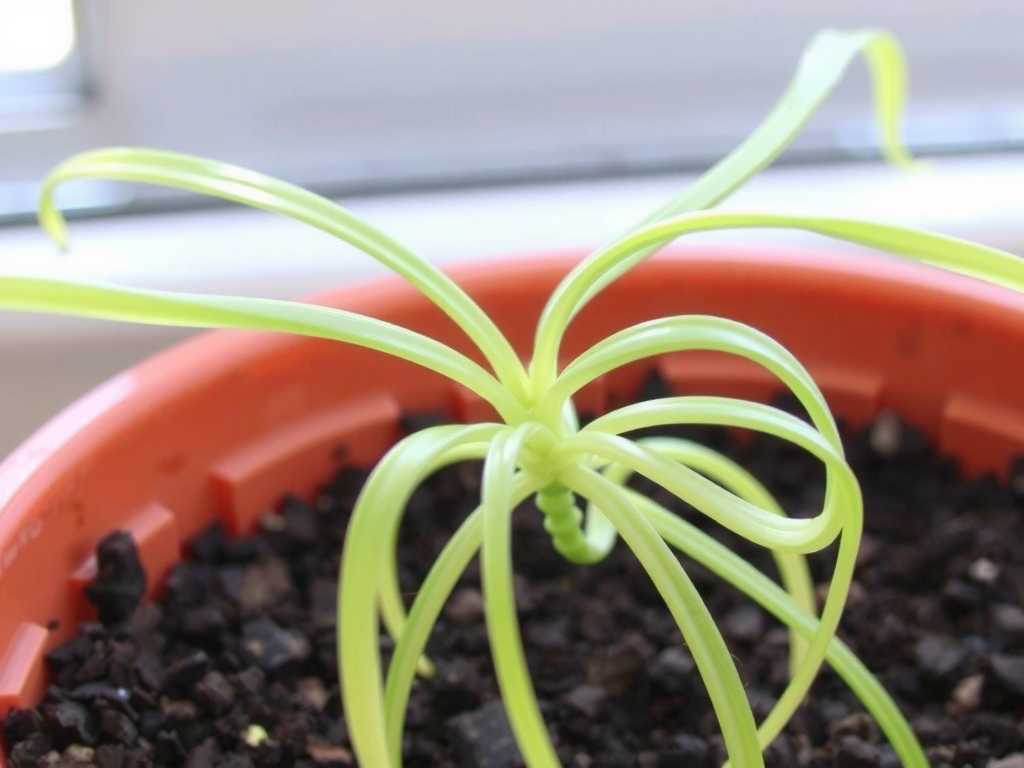
Understanding the Link Between Stress and Leaf Deformation
Before we fix the problem, it’s crucial to understand the "why." Spider plants (Chlorophytum comosum) are remarkably adaptable, but they have their limits. New leaves are the most vulnerable part of the plant. As they develop from a microscopic bud, they are highly sensitive to their immediate surroundings. Any abrupt change disrupts the delicate cellular processes responsible for normal, symmetrical leaf expansion.
Think of it like this: the plant has a "blueprint" for leaf growth based on current stable conditions. A sudden shift in light, temperature, or moisture is like changing the blueprint’s scale or materials mid-construction. The result is a flawed final product—a deformed leaf. Once a leaf is deformed, it will not correct itself. Our focus, therefore, is on ensuring all new growth emerges healthy by creating a stable environment.
Diagnosing the Cause: What Your Plant’s Leaves Are Telling You
The specific type of deformity can often point to the primary stressor. Here’s a quick diagnostic guide:
- Twisted or Curled Leaves: Often linked to inconsistent watering (cycles of drought and soggy soil) or a sudden spike or drop in temperature.
- Thin, Weak, or Narrow Leaves: Typically a sign of insufficient light. The plant stretches and produces frail leaves in a desperate search for more photons.
- Brown Tips with Distorted Growth: Usually a combination of low humidity and irregular watering, sometimes coupled with chemical sensitivity (fluoride/chlorine in tap water).
- General Stunted or Misshapen Growth: Can indicate a root-bound plant, a severe nutrient imbalance, or a drastic change in its location.
Core Stability Adjustment Tips for a Healthier Plant
The goal is to eliminate swings and provide consistency. Implement these adjustments methodically, giving your plant at least 2-3 weeks to respond with new, healthy growth.
1. Master the Art of Consistent Hydration
Watering is the most common source of environmental shock. The aim is moist, not marshy or bone-dry, soil.
- The Finger Test is Your Best Tool: Ditch the rigid schedule. Instead, insert your finger about 2 inches into the soil. Water thoroughly only when the top couple of inches feel dry. This mimics natural rainfall cycles.
- Ensure Perfect Drainage: Your pot must have drainage holes. Use a well-aerated potting mix, perhaps with a bit of perlite added, to prevent waterlogging.
- Water Quality Matters: If your tap water is heavily treated, let it sit out overnight before watering. This allows some chemicals to dissipate and helps prevent tip burn and related stress.
2. Provide Steady, Appropriate Light
Spider plants prefer bright, indirect light. A sudden move from a dark corner to a sunny window (or vice versa) is a major shock.
- Find the Sweet Spot and Stay Put: An east-facing window is ideal. A spot a few feet back from a south or west window also works. Once you find a spot where the plant is putting out good growth, resist the urge to move it.
- If You Must Move, Do It Gradually: Need to relocate your plant? Move it incrementally over a week or two, allowing it to acclimate to the new light intensity slowly. This gradual transition is a key strategy for managing spider plant stress from relocation.
- Rotate for Evenness: Give the pot a quarter turn every time you water. This ensures all sides receive equal light, promoting symmetrical growth and preventing the plant from leaning and developing unevenly.
3. Regulate Temperature and Humidity
These two factors are closely linked and crucial for preventing deformed new leaves on spider plants.
- Avoid Drafts and Vents: Keep your plant away from air conditioning vents, heating ducts, and drafty windows. The constant blast of hot or cold air creates a microclimate of stress.
- Aim for Room Temperature: Spider plants enjoy the same temperatures you do, ideally between 65°F and 75°F (18°C - 24°C).
- Boost Humidity Gently: If your air is very dry, group plants together, use a pebble tray filled with water, or occasionally mist the plant (morning is best). A stable, moderately humid environment supports supple, properly forming leaves.
4. Implement a Gentle, Consistent Feeding Routine
Nutritional shocks from over-fertilizing are a common culprit.
- Less is More: During the active growing season (spring and summer), feed with a balanced, water-soluble fertilizer diluted to half the recommended strength, once a month.
- Stop in Dormancy: Refrain from fertilizing in fall and winter when growth naturally slows.
- Flush the Soil: If you suspect fertilizer salt buildup (visible as a white crust on the soil), water the plant thoroughly until water runs freely from the drainage holes, repeating a few times. This leaches excess salts away.
Long-Term Stability: Repotting and Ongoing Care
Sometimes, deformation is a sign the plant has outgrown its home. A severely root-bound plant cannot take up water or nutrients efficiently, stressing the entire system.
- Repot with Care: If roots are circling the pot or growing out the bottom, it’s time to repot. Move to a pot only 1-2 inches larger in diameter. Use fresh potting mix.
- Minimize Post-Repotting Shock: Water the plant well after repotting and place it back in its familiar, stable light location. It may look droopy for a few days as it adjusts—this is normal. Avoid fertilizing for at least 4-6 weeks after repotting.
Frequently Asked Questions
Can deformed leaves ever return to normal? No, the existing deformed leaves will remain as they are. The plant’s energy should be directed toward new growth. You can trim away severely damaged older leaves at the base if you wish, but focus on providing stability for the new foliage to emerge correctly.
How long after fixing the environment will I see healthy new leaves? Patience is key. After implementing these stability adjustments, your spider plant will typically begin producing new, healthy leaves within 2 to 3 weeks. The first new leaf might still show some minor signs of the prior stress, but subsequent growth should be normal.
Is it better to cut off the deformed leaves? It’s not necessary for the plant’s health, as it can still photosynthesize with them. However, pruning deformed growth can be done for aesthetic reasons. Always use clean, sharp scissors and cut the leaf off at the soil line. Removing a few stressed leaves can encourage the plant to put its energy into fresh growth.
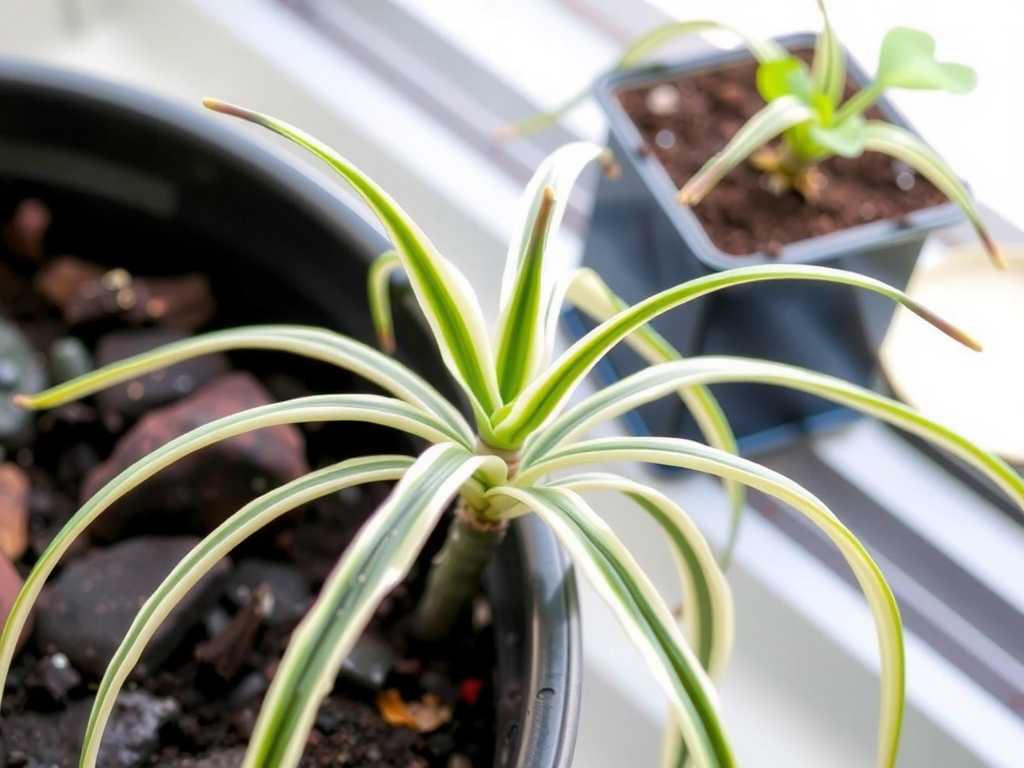
Witnessing deformed young leaves on your spider plant is a clear signal—a call for greater environmental consistency. By moving away from reactive care and embracing stable, predictable routines in watering, lighting, and temperature, you directly address the root cause of the distortion. Remember, the resilience of the spider plant is one of its greatest strengths. Once you provide a foundation of stability, it will quickly reward you with a resurgence of vigorous, beautifully formed leaves and cascading plantlets, restoring the vibrant health and elegance that makes this such a beloved houseplant. Your role is not to control every variable, but to buffer against sudden change, creating a haven where your plant can confidently grow.