bluename
 spider plant Root Nematodes: A Complete Guide to Safe Soil Insecticide Use
You’ve nurtured your spider plant, admired its graceful arching leaves and cheerful spiderettes, only to find it looking stunted, yellowed, and struggling despite your care. The culprit might be lurking invisibly below the soil surface: root-knot nematodes. These microscopic worms attack the roots, forming damaging galls that choke off the plant’s ability to absorb water and nutrients. The immediate thought for many plant owners is to reach for a chemical solution. However, the use of soil insecticides for nematode control in a beloved houseplant like the spider plant requires precise knowledge and caution. Misapplication can harm your plant, your indoor environment, and the beneficial life within your potting mix. This guide is designed to navigate you through the safe and effective use of soil insecticides, ensuring you tackle the nematode problem without introducing new risks.
Understanding the Enemy: Root-Knot Nematodes on Spider Plants
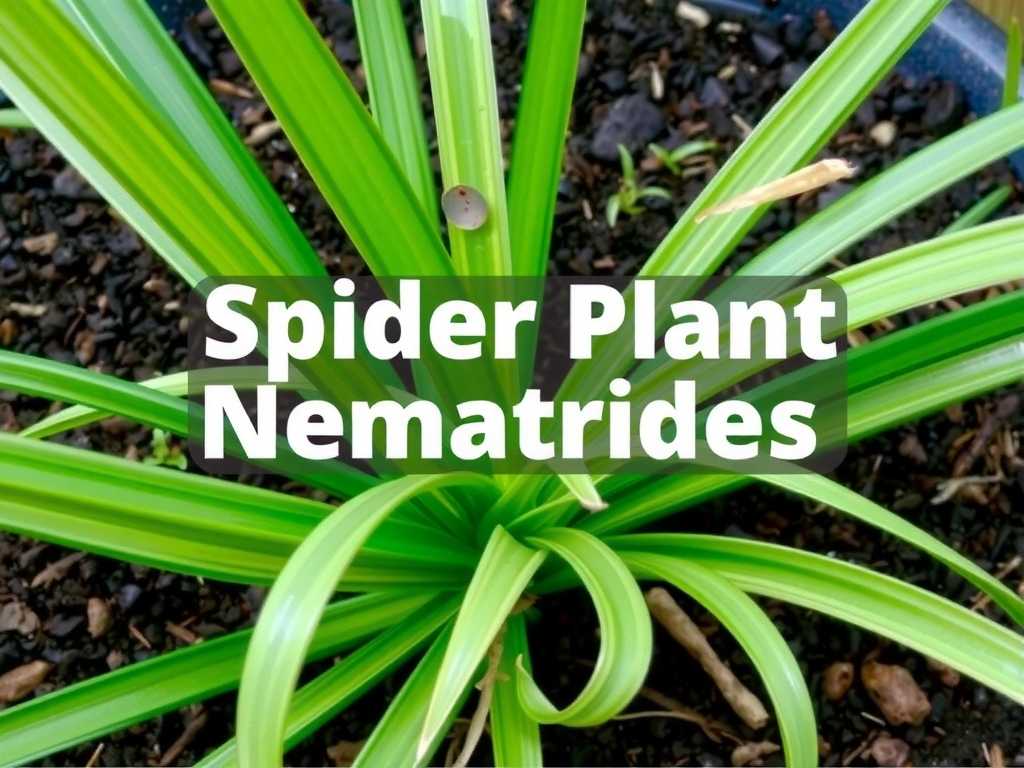
Before declaring chemical warfare, correct identification is crucial. Root-knot nematodes (Meloidogyne spp.) are not typical insects; they are soil-dwelling roundworms. Their presence is often betrayed by the plant’s symptoms above ground and confirmed by inspection below.
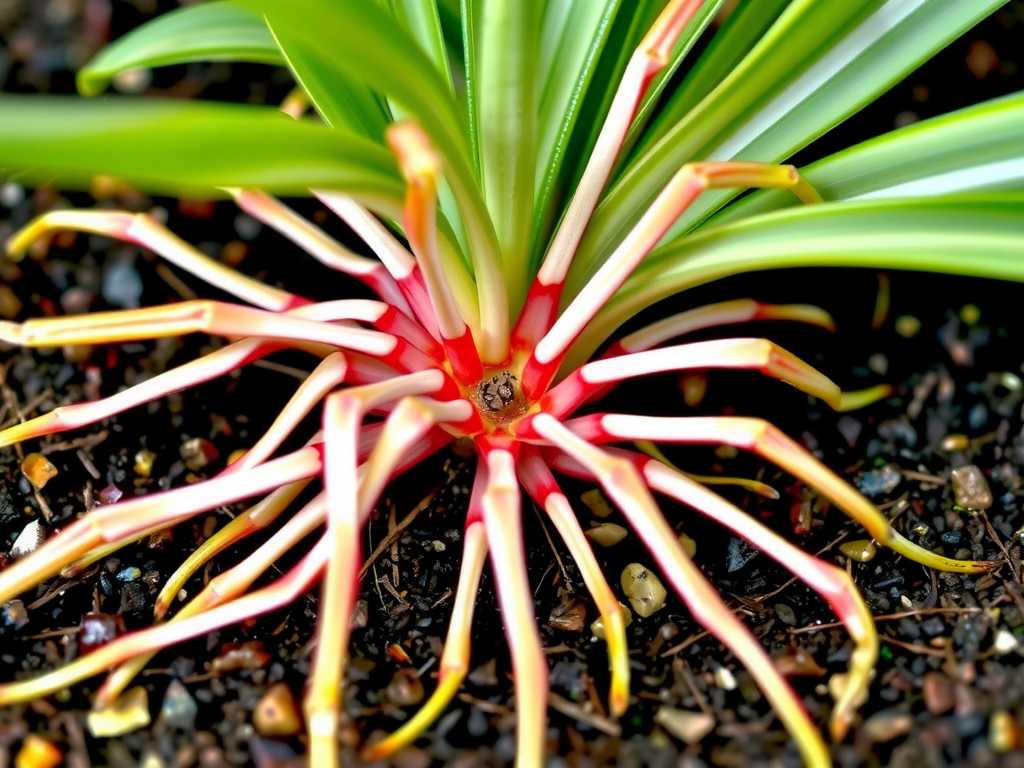
The primary signs include noticeable stunting, general yellowing (chlorosis), and a tendency to wilt much faster than usual, even with adequate watering. To confirm, gently remove your spider plant from its pot and examine the root system. Healthy spider plant roots are thick, white, and tuberous. Nematode-infested roots will exhibit small, bead-like swellings or galls along the roots. These galls disrupt the vascular system, essentially creating knots that strangle the plant’s own lifelines.
It’s vital to distinguish this from other issues like overwatering, which causes soft, brown, mushy roots (root rot). As noted by Dr. Eleanor Vance, a plant pathologist specializing in urban horticulture, “A mistaken diagnosis leads to the wrong remedy. Treating root rot with a nematicide is ineffective and delays proper care, often worsening the plant’s decline.”
Integrated Management: The First Line of Defense
The safest approach to managing spider plant nematodes is an integrated one, where chemical intervention is a last resort, not a first step. This philosophy aligns with the principles of expert horticulture and sustainable practice.
Your initial actions should be cultural and physical. Immediately isolate the affected plant to prevent potential spread. Carefully wash away all the old, infested soil from the root system under a gentle stream of water. Prune away the heavily galled and damaged roots with sterilized scissors. Then, repot the plant into a fresh, sterile potting mix within a clean or new container. This simple act of removing the nematodes’ environment can resolve mild infestations.
For more persistent problems, consider biological and non-chemical options. Some potting mixes amended with beneficial fungi like Trichoderma or bacteria like Bacillus species can help suppress nematode populations. Solarization—sealing moist, infested soil in a black plastic bag and placing it in full sun for 4-6 weeks—can sterilize small amounts of soil using heat, though this is more practical for garden soil than immediate houseplant care.
Selecting a Soil Insecticide for Nematode Control
When cultural methods are insufficient, selecting an appropriate product is the critical next step. It is essential to understand that most products available to home gardeners are “soil insecticides” or “soil drenches” with nematicidal properties, not pure nematicides, which are often restricted to agricultural use.
Look for active ingredients that are labeled for use against nematodes or soil-dwelling pests on container plants. Common options include Abamectin and Azadirachtin (derived from neem). Abamectin is a potent derived-from-microorganism option, while Azadirachtin offers a more botanical-based approach. Crucially, you must verify the product’s registration for indoor or houseplant use. Never use outdoor-grade granular or liquid insecticides indoors, as they can pose significant health risks due to off-gassing.
The cornerstone of safe insecticide application for houseplants is reading and following the label. The label is the law and your primary source for authoritative instruction. It dictates the exact dosage, mixing instructions, application method (always a soil drench for nematodes, never a foliar spray), and necessary personal protective equipment (PPG), such as gloves.
The Step-by-Step Guide to Safe Application
Applying a soil insecticide demands a methodical approach to ensure safety for you, your plant, and your home.
First, prepare your workspace. Choose a well-ventilated area, such as near an open window or on a protected balcony. Lay down newspaper or a tray. Gather your PPE (gloves), the measured product, a dedicated mixing container, and water.
Second, prepare the plant and the solution. Ensure your spider plant’s soil is lightly moist before application. A dry root ball may repel the solution. Mix the insecticide concentrate with water exactly as the label specifies. Do not guess or “eye-ball” measurements. More concentrated does not mean more effective; it means more toxic and potentially phytotoxic (plant-harming).
Third, apply as a soil drench. Slowly pour the mixed solution onto the soil surface, circling the base of the plant, until it begins to drain freely from the bottom of the pot. The goal is to saturate the root zone where the nematodes reside. Avoid splashing on leaves, and immediately wipe any accidental contact.
Finally, post-application care is key. Keep the treated plant in its isolated, ventilated location away from children and pets until the soil surface is completely dry. Do not water again until the top inch of soil feels dry to prevent diluting the treatment. Monitor your plant for signs of both recovery and any stress from the treatment.
Preventing Future Infestations
The best treatment is always prevention. Establishing a routine can safeguard your spider plants from future nematode issues.
Always use high-quality, sterile commercial potting mix. Avoid reusing soil from old pots or collecting garden soil for indoor use, as these are common vectors for pests and pathogens. Quarantine new plants for 2-3 weeks before placing them near your existing collection, allowing time for any hidden problems to surface. Maintain overall plant health through proper watering (allowing the soil to dry out somewhat between waterings) and balanced, light fertilization. A vigorous spider plant is more resilient to pest pressures.
How do I know for sure my spider plant has nematodes and not just root rot? The key difference is in the roots. Root rot causes roots to become soft, slimy, dark brown or black, and they may fall apart easily. Nematode damage causes firm, knot-like galls or swellings on the roots. The plant may wilt in both cases, but galls are a clear visual indicator of nematodes.
Can I use the same soil insecticide on all my houseplants? No. You must check the product label for a list of plants it is registered for use on. Some plants may be sensitive to certain chemicals. Always test on a single plant or a small area first if unsure, and never assume a product safe for one species is safe for all.
Are there any completely non-toxic options for treating nematodes? While not always instantly curative, non-toxic strategies include repotting with sterile soil after root pruning, using soil amendments like crushed crab shell (chitin) to encourage nematode-fighting microbes, and employing the solarization technique for your potting media before use. Consistency with these methods can effectively manage populations.
Addressing spider plant root nematodes effectively hinges on accurate diagnosis, a preference for integrated and non-chemical methods, and—when necessary—a meticulous, label-compliant approach to soil insecticides. By prioritizing the health of your plant and the safety of your indoor environment, you can rescue your stressed spider plant and restore it to its former lush, air-purifying glory. Remember, the most powerful tool in plant care is informed and patient action.