bluename
 spider plant Leaf Tips Are Transparent: Your Guide to Fixing Excessive Moisture
You’ve noticed a strange, almost ghostly change in your beloved spider plant. The once vibrant green leaf tips have turned pale, translucent, or even mushy. This alarming sight, where spider plant leaf tips are transparent, is a classic distress signal. It’s your plant’s direct way of telling you that its environment has too much moisture. Left unchecked, this condition can lead to root rot and a rapid decline in your plant’s health. But don’t worry—this common issue is entirely fixable. This guide will walk you through the precise ventilation and drying methods to rescue your plant and restore its lush, healthy appearance.
Understanding the “Why” Behind Transparent Leaf Tips
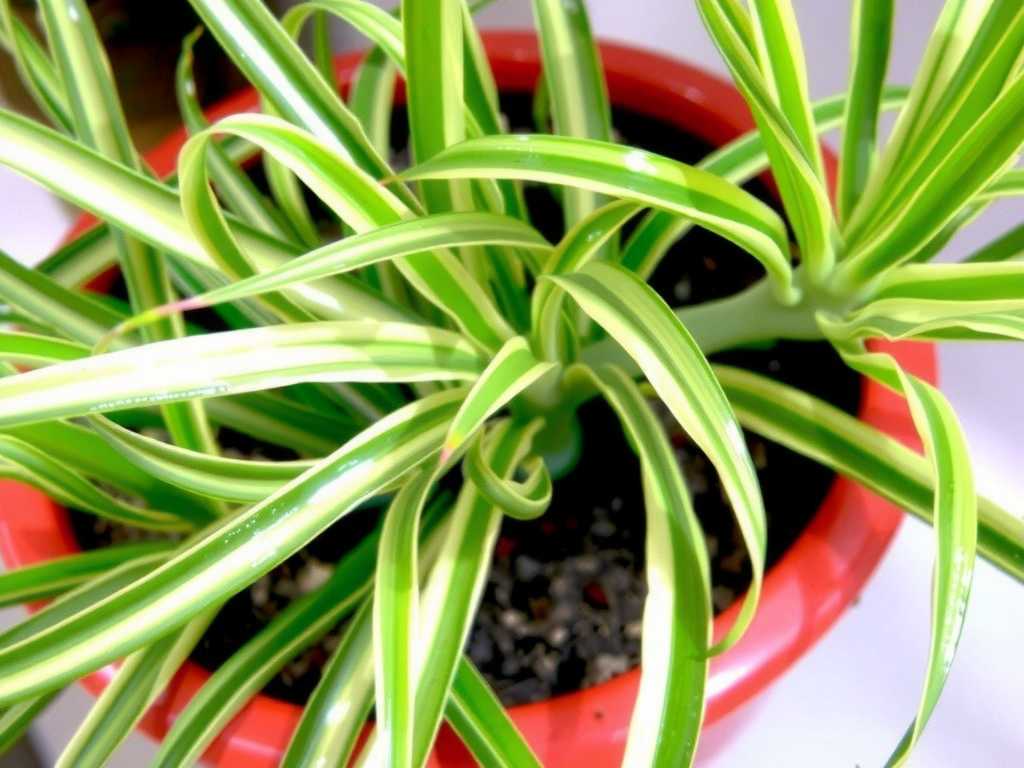
Before we jump into solutions, it’s crucial to understand the cause. Transparency in leaf tips is almost always a symptom of cellular damage from excess water.
Plant cells are like tiny water balloons. When they take in too much water—a condition called edema—the pressure can rupture the cell walls. This damage kills the cells, leaving the leaf tissue limp, waterlogged, and transparent. This often starts at the tips and margins, which are the most vulnerable parts of the leaf. The primary culprits are overwatering and insufficient air circulation, which create a stagnant, humid microenvironment around your plant.
Mastering Ventilation: The First Step to Recovery

Proper airflow is a non-negotiable aspect of plant care that is often overlooked. Good ventilation helps evaporate excess moisture from the soil surface and from around the leaves, mimicking the plant’s natural environment and preventing fungal diseases.
Strategic Placement for Optimal Airflow Where you place your spider plant makes a significant difference. Avoid cramming it into a corner or a crowded shelf with other plants. Instead, position it in a room with gentle, indirect air movement. A spot near a frequently opened door or in a room with a ceiling fan set on low can be ideal. According to horticulturist Dr. Linda Chalker-Scott, good air circulation around plant foliage is critical for reducing the incidence of foliar diseases, as it helps leaves dry faster after watering.
Using Fans to Simulate a Natural Breeze If your home is naturally still, you can easily create airflow. A small oscillating fan placed several feet away from your plant group, set on the lowest setting, works wonders. The key is to create a gentle breeze, not a direct gale-force wind. Run the fan for a few hours during the day to promote evaporation without stressing the plant. This simple method is one of the most effective drying methods for excessive moisture around your houseplants.
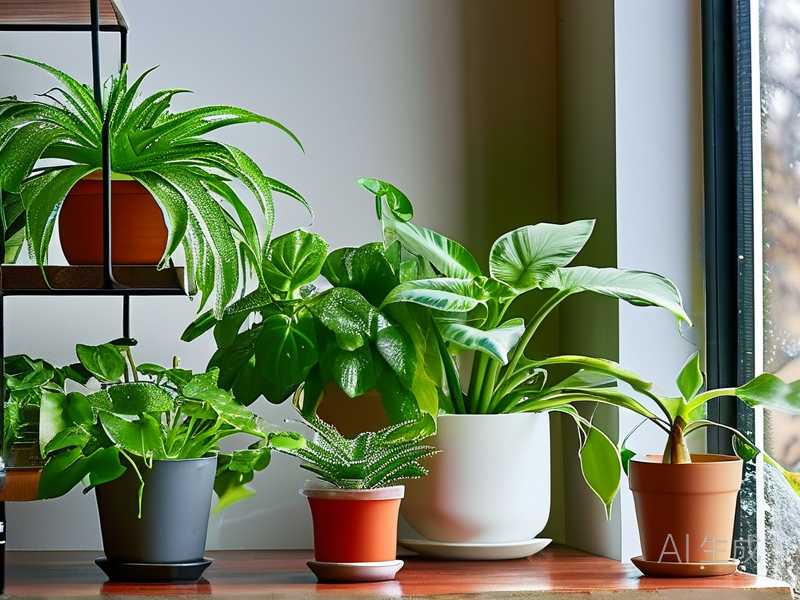
The Importance of Plant Spacing Give your spider plant some room to breathe. If you have a collection of plants, ensure they aren’t touching each other. Crowded foliage traps humidity and creates a perfect breeding ground for pathogens. Proper spacing allows air to circulate freely between leaves and pots, significantly reducing the risk of moisture-related issues.
Effective Drying Methods for Excessive Moisture in Soil
While ventilation addresses the air around the plant, we must also tackle the source of the problem: wet soil. Here’s how to dry out an overwatered spider plant effectively and safely.
Immediate Intervention: The Paper Towel and Aeration Trick If you’ve just realized the soil is soggy, act quickly. Gently tilt the pot and press several layers of paper towel against the drainage holes. The towel will wick out a surprising amount of excess water. For a more thorough approach, carefully remove the entire root ball from the pot. Wrap it in several layers of absorbent paper or a dry cloth to draw out moisture. You can also gently aerate the soil by poking a few holes into it with a chopstick, which allows oxygen to reach the roots and speeds up drying.
When to Consider a Full Soil Change In severe cases where the soil smells musty or the roots are dark and mushy, a complete soil change is the best ventilation and drying method for excessive moisture. Choose a well-draining, airy potting mix—a cactus or succulent blend amended with perlite is excellent for spider plants. Repotting into fresh, dry medium gives the roots an immediate fresh start and is often the fastest path to recovery for a waterlogged plant.
Optimizing Your Watering Technique Post-Recovery Prevention is the best cure. After your plant recovers, adopt a “soak and dry” method. Water thoroughly until it runs from the drainage holes, then allow the top 1-2 inches of soil to dry out completely before watering again. Always empty the saucer or cache pot 15 minutes after watering to prevent the plant from sitting in water. Spider plants are drought-tolerant and prefer to dry out between drinks.
Long-Term Prevention Strategies
Fixing the current problem is essential, but adjusting your care routine will prevent it from happening again.
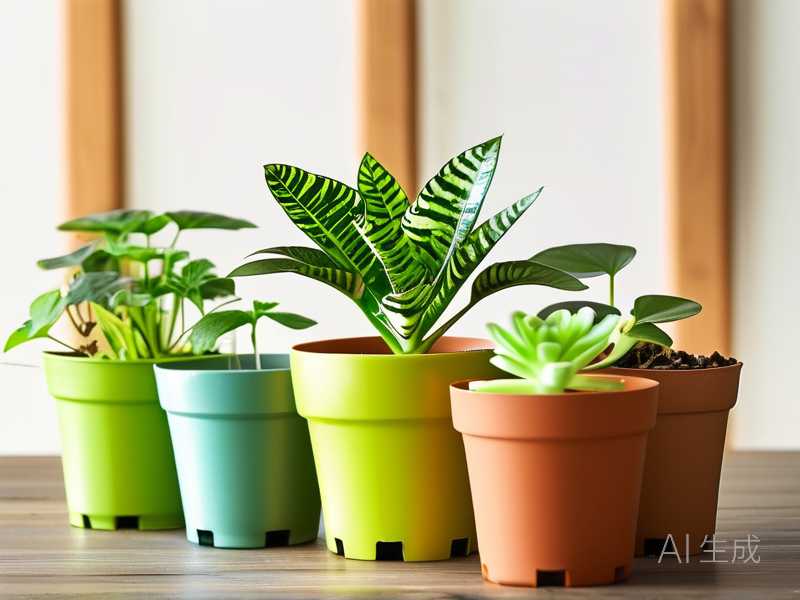
Selecting the Right Pot and Soil The container is your first line of defense. Always use a pot with ample drainage holes. Terracotta pots are ideal for spider plants prone to overwatering, as the porous clay allows the soil to dry more evenly. Pair this with a fast-draining potting mix. You can create your own by mixing two parts standard potting soil with one part perlite or coarse sand.
Creating a Healthy Watering Schedule Forget watering on a calendar schedule. Your plant’s water needs change with the seasons, light levels, and humidity. The most reliable technique is the “finger test.” Insert your finger into the soil up to the second knuckle. If the soil feels dry at that depth, it’s time to water. If it feels moist, wait a few more days. This simple habit is the cornerstone of preventing excessive moisture in spider plants.
Balancing Humidity and Light While spider plants enjoy moderate humidity, high humidity combined with poor airflow and wet soil is a recipe for trouble. Ensure your plant receives plenty of bright, indirect light. Stronger light increases the plant’s water use and helps dry the soil more efficiently. If you live in a very humid climate, prioritize the ventilation strategies mentioned above.
Why are only the tips of my spider plant turning transparent? The leaf tips are the furthest point from the roots and the most sensitive to imbalances. When the plant takes up more water than it can transpire (release), the excess pressure builds and damages the cells at these vulnerable tips first, causing the transparent appearance.
Can I cut off the transparent leaf tips? Yes, you can. Using clean, sharp scissors, trim the brown or transparent parts off, following the natural angle of the leaf tip. This won’t cure the underlying problem, but it improves the plant’s appearance. More importantly, it allows you to monitor if the issue stops progressing once you correct the watering and airflow.
How long does it take for a spider plant to recover from overwatering? With immediate corrective action, you may see a halt in the spread of transparency within a week or two. However, full recovery, including the growth of new, healthy leaves, can take a month or more. Be patient, maintain the new care routine, and avoid the temptation to overcompensate with fertilizer, which can stress recovering roots.
Seeing your spider plant’s leaf tips turn transparent is a clear call to action. By understanding that this symptom points directly to excess moisture, you can respond with targeted strategies. Enhancing ventilation around your plant and employing careful drying techniques for the soil are the two pillars of recovery. Remember, the goal is to create an environment where the soil moisture is in balance with the air movement and light. By mastering these elements—choosing the right pot, perfecting your watering touch, and ensuring a gentle breeze—you’ll not only solve the current issue but also foster a stronger, more resilient spider plant that thrives for years to come.