bluename
 spider plant Division Propagation: High-Survival-Rate Steps in Spring
Is your beloved spider plant looking a bit too enthusiastic, spilling out of its pot with a jungle of crowded leaves and baby plantlets? You know it’s time to divide it, but the fear of accidentally killing your resilient friend holds you back. That tangled root ball can seem intimidating. Worry no more. Spring is not just the season of new beginnings for nature; it’s the absolute best time for spider plant division propagation. This guide is designed to transform that anxiety into confidence. We will walk you through a fail-safe, step-by-step process tailored for spring, ensuring a high survival rate for both your original plant and its new offspring. By understanding the perfect spring conditions and following precise techniques, you can master this simple propagation method and multiply your green companions effortlessly.
Why Spring is the Unbeatable Season for Dividing Spider Plants
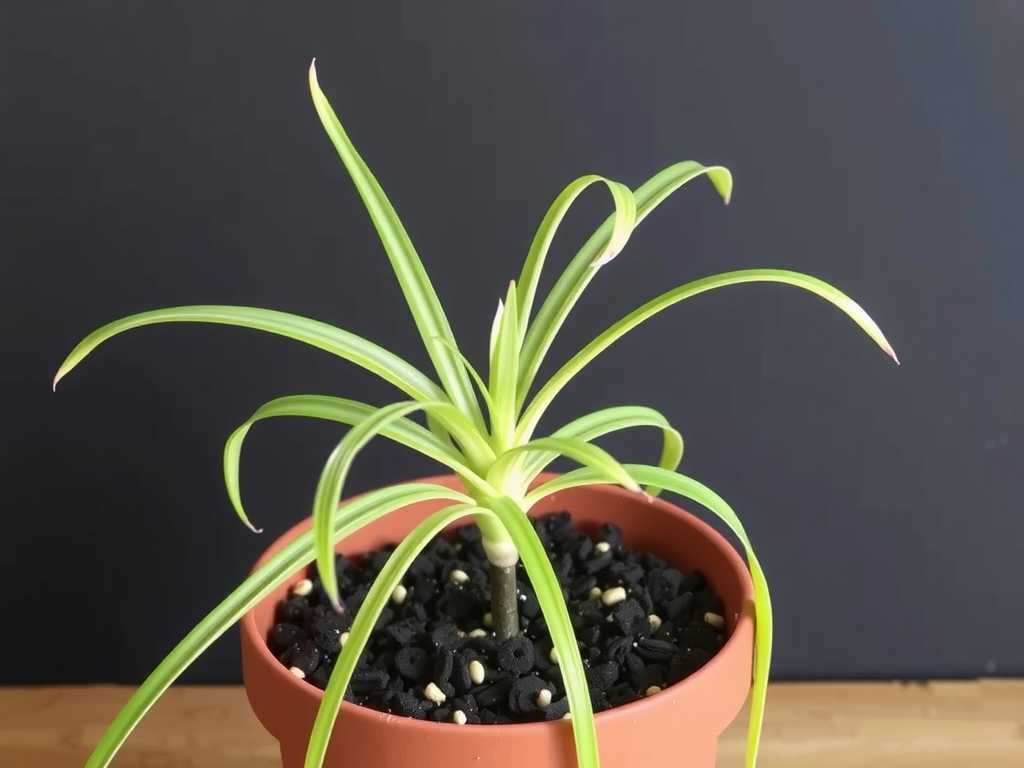
Timing is everything in gardening, and for division, spring reigns supreme. This season provides the ideal environmental conditions that align perfectly with the spider plant’s natural growth cycle. As daylight increases and temperatures gently rise, your spider plant exits its winter rest period and enters a phase of vigorous root and foliage development.
This active growth surge means the plant is primed to heal quickly from the stress of division. Fresh roots emerge rapidly to establish new divisions, and the abundant sunlight fuels photosynthesis, providing the energy needed for recovery. Horticulturists from institutions like the Royal Horticultural Society consistently recommend early spring for dividing most perennials, including spider plants, as the plants have the entire growing season ahead to establish themselves. Dividing in spring sets your new plants up for success, giving them months of optimal growth before the slower, cooler winter months.
Pre-Division Preparation: Setting the Stage for Success
A successful division starts long before you make the first cut. Proper preparation minimizes shock and maximizes the health of your plants.
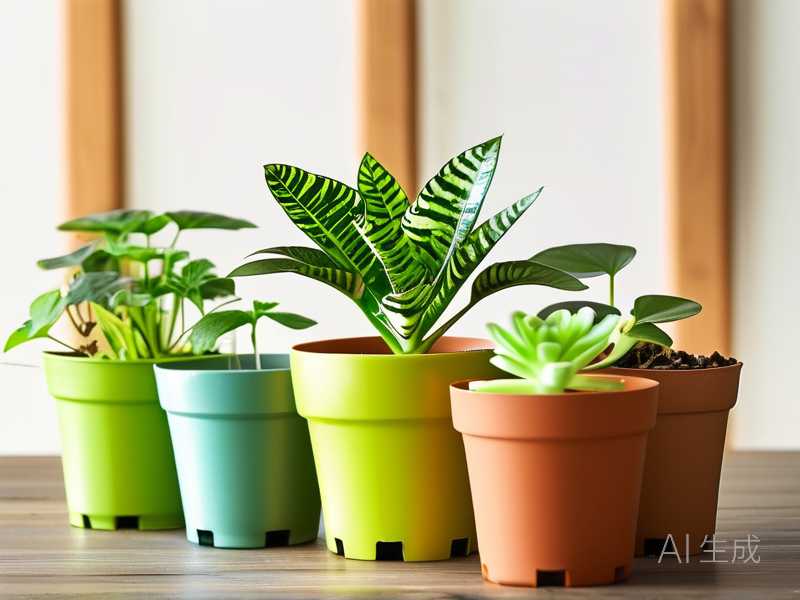
First, hydrate your spider plant thoroughly 24 to 48 hours before the planned division. A well-watered plant has turgid, resilient leaves and roots that are more flexible and less prone to damage. Next, gather your tools. You will need a clean, sharp knife or a pair of sterilized garden shears. Wiping blades with rubbing alcohol prevents the transfer of any pathogens. Have fresh, well-draining potting mix ready—a standard houseplant or peat-free multipurpose compost mixed with a handful of perlite for aeration is perfect. Finally, select new pots with adequate drainage holes. They should be just large enough to comfortably accommodate the root mass of your new divisions, typically 1-2 inches wider in diameter than the root ball.
The High-Survival-Rate Step-by-Step Division Process
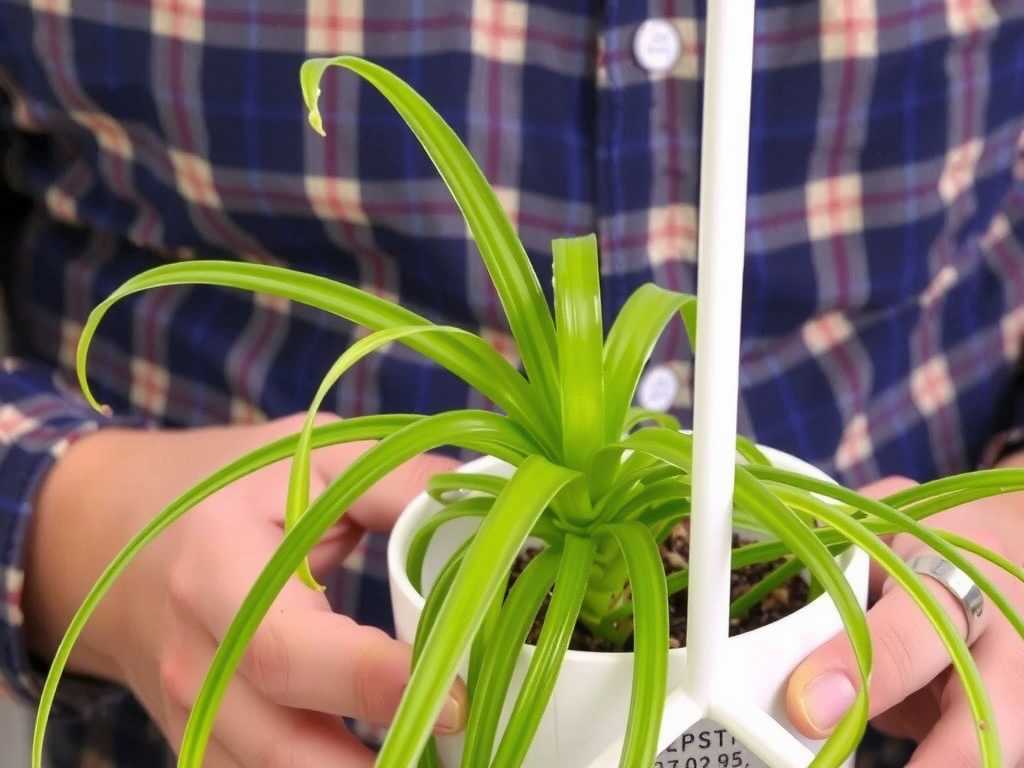
Follow these clear steps to ensure a smooth and successful propagation event.
Gently Remove and Inspect the Root Ball Carefully tip the pot on its side and coax the spider plant out. Avoid pulling by the leaves. Gently squeeze the pot or run a knife around the inside edge if it’s stuck. Once free, place the root ball on a work surface. Your first task is to gently loosen and shake away the old soil from the roots. This allows you to clearly see the root structure and identify natural separation points.
Identifying Natural Division Points and Separating Look for distinct, separate clumps of leaves, known as "offsets" or "pups," that have their own root systems. Often, the root ball will naturally want to come apart at these junctions. Using your fingers, gently tease apart these smaller clumps. For larger, very dense root masses that won’t separate by hand, use your sterilized knife to cut through the connecting roots. Ensure each new division has a healthy cluster of leaves and a substantial amount of its own roots attached. This is the cornerstone of successful spider plant division.
Potting Your New Spider Plant Divisions Place a layer of fresh potting mix in the bottom of each new pot. Position a division in the center, ensuring it sits at the same soil depth as it did originally. Fill in around the roots with more mix, gently firming it to eliminate large air pockets but avoiding compaction. Leave about an inch of space below the pot’s rim for watering.
Essential Aftercare for Thriving New Plants The first few weeks are critical. Water each division thoroughly after potting until water runs freely from the drainage holes. This settles the soil around the roots. Then, place the pots in a location with bright, indirect light. Avoid direct hot sun, which can scorch the tender, recovering plants. Allow the top inch of soil to dry out before watering again; overwatering is now the greatest risk to root health. Hold off on fertilizing for at least 4-6 weeks to allow the roots to settle without chemical stress.
Troubleshooting Common Post-Division Issues
Even with the best care, new divisions can show signs of stress. Recognizing and addressing them quickly is key.
If leaves are wilting or drooping significantly, it’s likely transplant shock. Ensure the plant is in indirect light, not too hot or cold, and keep the soil consistently lightly moist (not soggy). A temporary increase in ambient humidity can help—grouping plants together or using a humidity tray works well. If leaf tips turn brown, this is typical for spider plants and often related to water minerals or low humidity. Use distilled or rainwater when possible and trim the brown tips for aesthetics. Yellowing leaves can signal overwatering. Check that the pot drains perfectly and let the soil dry more between waterings.
How can I tell if my spider plant is ready to be divided? Look for visible cues: the plant is extremely root-bound (roots circling tightly or growing out of the drainage holes), the center appears crowded and growth may be stunted, or it’s producing an abundance of plantlets (spiderettes). These are all clear signs it would benefit from division.
What’s the difference between dividing and propagating from plantlets? Division involves separating the main root ball into multiple sections, each with its own roots and leaves. It’s ideal for rejuvenating an overgrown plant. Propagating from plantlets involves rooting the small “babies” that dangle from stolons. While both are easy, dividing spider plants in spring is faster for creating large, instant new plants.
My new division isn’t growing. What’s wrong? Be patient. After division, the plant focuses energy on root establishment over top growth. This can take several weeks. Ensure it has adequate indirect light and warm temperatures. If there’s still no growth after 6-8 weeks, gently check for root development. If roots are healthy and white, simply give it more time. If roots are mushy or absent, it may have failed due to rot or insufficient initial roots.
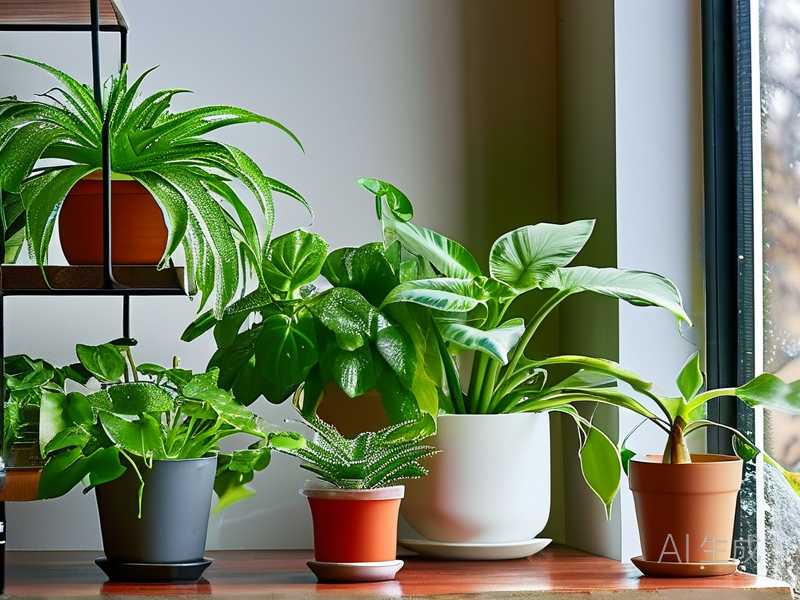
Mastering spider plant division is a rewarding skill that extends the life of your original plant and fills your home with more greenery. By choosing the regenerative power of spring, preparing carefully, making clean separations at natural points, and providing attentive initial care, you virtually guarantee a high success rate. This process not only solves the problem of an overgrown plant but also deepens your connection and understanding of its growth habits. With these high-survival-rate steps for spider plant propagation, you can confidently approach that root ball, knowing you’re giving your plant a fresh start and creating thriving new generations to enjoy or share.