bluename
 spider plant Runner Propagation: A Complete Guide to Transplanting from Hydroponic Rooting to Soil Cultivation
You’ve successfully rooted your spider plant runner in water, watching those delicate white roots grow with excitement. But now, the anxiety sets in. How do you move these fragile, water-adapted roots into soil without causing shock or rot? This transition from hydroponic rooting to soil cultivation is a critical juncture where many enthusiastic plant parents lose their new spider plant babies. The roots are different, the environment changes drastically, and a misstep can undo weeks of patient waiting. This guide is designed to eliminate that uncertainty. We will walk you through a proven, step-by-step method for transplanting spider plant runners from water to soil, ensuring your propagated plants not only survive but thrive in their new home.
Understanding Spider Plant Runners and Propagation
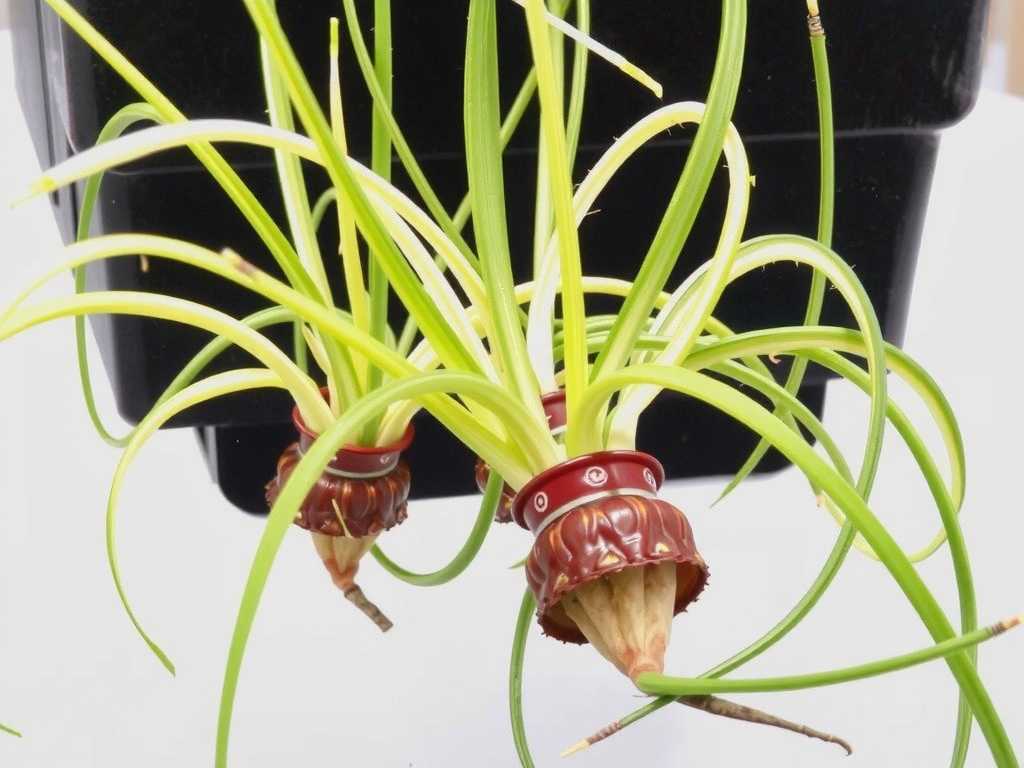
Spider plants, scientifically known as Chlorophytum comosum, are prolific propagators. They produce long, arching stems called runners or stolons, from which miniature plantlets, often called “spiderettes” or “pups,” develop. These plantlets are genetic clones of the mother plant and come equipped with the nascent ability to form their own root systems. Spider plant runner propagation is popular precisely because these plantlets are pre-programmed for success. The most common method involves suspending the spiderette in water until roots develop—a process known as hydroponic rooting. This allows you to monitor root growth visually, which is satisfying and reassuring. However, water roots and soil roots are structurally different. Water roots are finer and more delicate, adapted to absorbing nutrients directly from the water. Transplanting them into soil requires a careful process to help them adapt and develop stronger, soil-specialized roots.
Why Transition from Water to Soil?
While growing a spider plant in water long-term is possible, soil cultivation is generally superior for long-term health and vigor. Soil provides a stable, aerated environment that encourages a robust root system capable of efficient nutrient uptake and structural support. According to horticultural best practices, soil-grown plants are typically more resilient to stress, achieve larger sizes, and have a better capacity for producing their own runners in the future. The method of transplanting from hydroponic rooting to soil is therefore a vital skill. It unlocks the full potential of your propagated plantlet, moving it from a passive, water-dependent state to an active, growing member of your plant collection. The goal is to minimize transplant shock—a condition where the plant stops growing or wilts due to root damage or environmental change.
Preparing for the Transplant: Timing and Materials
Success begins with preparation. Rushing this process is the most common mistake.
Identifying the Right Time to Transplant The ideal moment for transplanting hydroponic spider plant runners is when the water roots are at least 1-3 inches long and have developed secondary branching (smaller roots coming off the main root). This usually takes 2-4 weeks. Roots that are too short lack the mass to sustain the plant in soil, while overly long, tangled water roots can be difficult to plant and are more prone to damage. Look for healthy, white or creamy-colored roots. Avoid transplanting if the roots appear slimy, brown, or mushy—a sign of rot.
Gathering Your Supplies Having everything ready before you start creates a smooth, stress-free experience for both you and the plant. You will need:
- A Suitable Pot: Choose a pot with adequate drainage holes. It should be only 1-2 inches larger in diameter than the root mass. A pot that’s too large holds excess moisture, risking root rot.
- Well-Draining Potting Mix: A standard, high-quality houseplant potting mix is perfect. For exceptional drainage, consider mixing in 20-30% perlite or orchid bark. This is crucial for preventing waterlogged soil around the new water roots.
- A Chopstick or Pencil: This tool is invaluable for creating a perfect planting hole without crushing the delicate roots.
- Clean, Sharp Scissors (optional): For trimming any dead foliage.
- Watering Can with a Narrow Spout: For precise watering post-transplant.
The Step-by-Step Transplanting Process
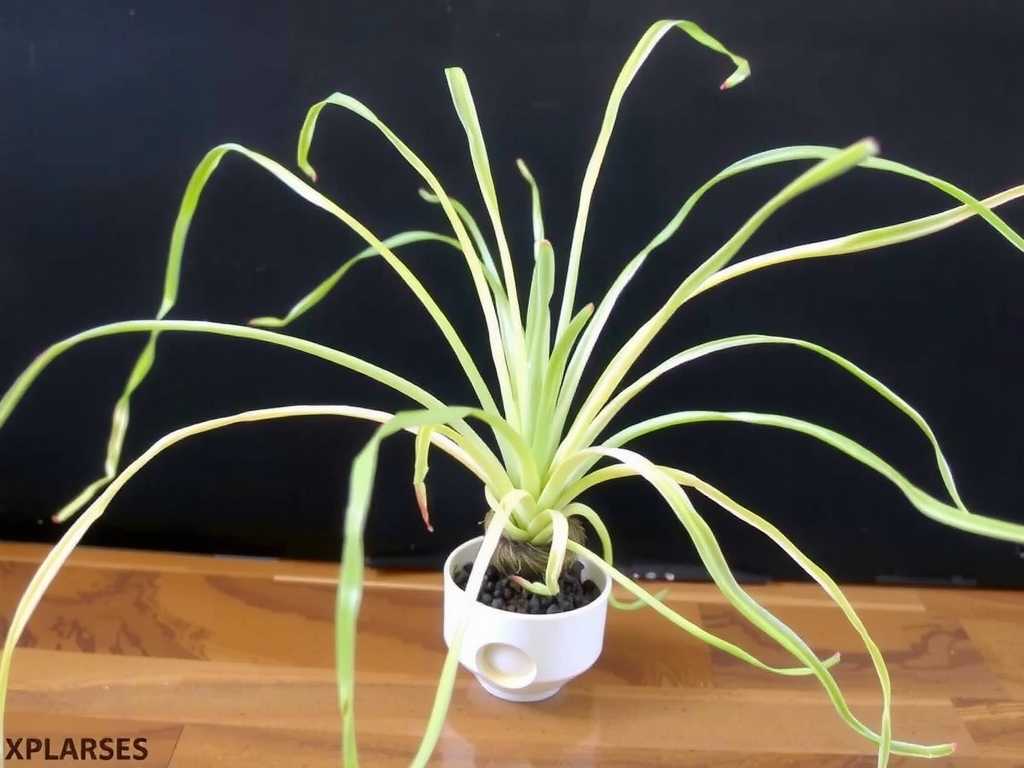
Follow these steps meticulously for the highest chance of success.
Step 1: Gently Remove the Plantlet from Water Carefully lift the spiderette from its water vessel. Handle it by the leaves or the crown (where the leaves meet the base), not by the fragile roots. Rinse the roots briefly under lukewarm, slow-running water to remove any residual algal growth.
Step 2: Prepare the New Pot Place a small piece of porous material, like a coffee filter or a shard of broken pottery, over the drainage hole to prevent soil washout. Fill the pot about one-third full with your pre-moistened potting mix. The soil should be damp like a wrung-out sponge, not soggy.
Step 3: Position the Plantlet and Fill the Pot Create a small hole in the center of the soil using your chopstick. It should be deep and wide enough to accommodate the entire root system without bending or crowding. Lower the spider plant runner’s roots into the hole. Gently hold the plantlet upright at the correct height—the base of the crown should sit just at or slightly below the soil surface. With your other hand, carefully fill in around the roots with more pre-moistened soil. Lightly tamp the soil down to eliminate large air pockets, but avoid compacting it tightly.
Step 4: The Initial, Crucial Watering This first watering, often called “settling in” water, helps the soil make contact with the roots. Water thoroughly but gently until water flows freely from the drainage holes. This ensures the entire root ball is evenly moist. Allow all excess water to drain away completely. Never let the newly potted plant sit in a saucer of standing water.
Post-Transplant Care for Soil Cultivation Success
The work isn’t over once the plant is potted. The next 2-4 weeks are a critical care period.
The First Critical Weeks: Minimizing Shock Place your newly transplanted spider plant in a location with bright, indirect light. Avoid direct sunlight, which can add to the plant’s stress. Hold off on fertilizing for at least 4-6 weeks; the fresh potting mix contains nutrients, and the plant needs to focus on root establishment. The key is to maintain consistent, light moisture. The top inch of soil should feel dry before you consider watering again. Overwatering is the single greatest threat during this phase.
Long-Term Spider Plant Care in Soil Once you see signs of new growth—a fresh, central leaf emerging—congratulations! Your plant has acclimated. You can now treat it as a mature spider plant. Water when the top 50% of the soil is dry, provide bright to moderate indirect light, and fertilize monthly during the growing season (spring and summer) with a balanced, half-strength liquid fertilizer. With proper soil cultivation techniques, your propagated spider plant will soon grow lush and may even begin producing its own runners, continuing the wonderful cycle of growth.
Troubleshooting Common Post-Transplant Issues
- Wilting or Drooping Leaves: This is a common sign of transplant shock or underwatering. Ensure the soil is lightly moist (not wet) and provide high humidity by misting lightly or using a pebble tray. Avoid the urge to overwater.
- Yellowing Leaves: Often indicates overwatering. Check that the pot drains perfectly and allow the soil to dry out more between waterings.
- Stunted Growth: Be patient. The plant is likely directing all its energy to building its soil root system underground. New top growth will follow.
How long should spider plant roots be before planting in soil? Ideally, wait until the roots grown in water are between 1 to 3 inches long and show signs of secondary branching. This provides enough root structure to support the plant as it adapts to soil, but isn’t so long that the roots become tangled and brittle.
Can you put a spider plant runner directly in soil without water rooting? Yes, this method is called direct soil propagation. You can pin a still-attached plantlet to the surface of a small pot of moist soil while it’s connected to the mother plant. Once it roots, you sever the runner. Alternatively, you can cut a plantlet and plant it directly, but success rates can be higher with initial water rooting as it allows you to confirm root development before planting.
Why is my newly transplanted spider plant turning brown or mushy at the base? This is almost always a sign of rot caused by excessive moisture at the crown or root zone. The delicate water roots are especially susceptible. Immediately check your watering habits and ensure the pot has excellent drainage. You may need to unpot the plant, trim away any mushy roots with sterile scissors, and repot it into fresh, drier mix, watering very sparingly afterward.
Moving your spider plant runner from a water glass to a soil pot marks its journey to independence. By respecting the differences between water and soil environments, preparing diligently, and providing attentive aftercare, you transform a vulnerable cutting into a resilient, growing plant. This process connects you deeply to the cycle of plant life. Each new leaf that unfurls from your successfully transplanted spiderette is a testament to your care, turning the simple act of propagation into a truly rewarding gardening achievement.