bluename
 String of Pearls spider plant Cutting Propagation: Rooting Tips for Stem Segment Cuttings
You've admired the elegant cascade of your String of Pearls spider plant, and now you want more. But the thought of propagation feels daunting. Will the delicate stems rot? What if the tiny pearls shrivel? You're not alone in worrying about turning a single strand into a lush, new plant. Many gardeners hesitate, fearing they'll damage their beloved succulent. The good news is, propagating a String of Pearls from stem segment cuttings is remarkably straightforward with the right guidance. This method is not only efficient but also highly rewarding, allowing you to multiply your collection or share it with friends. By focusing on a few critical rooting tips, you can transform those fragile cuttings into thriving, independent plants.
Understanding Your String of Pearls: A Succulent's Nature
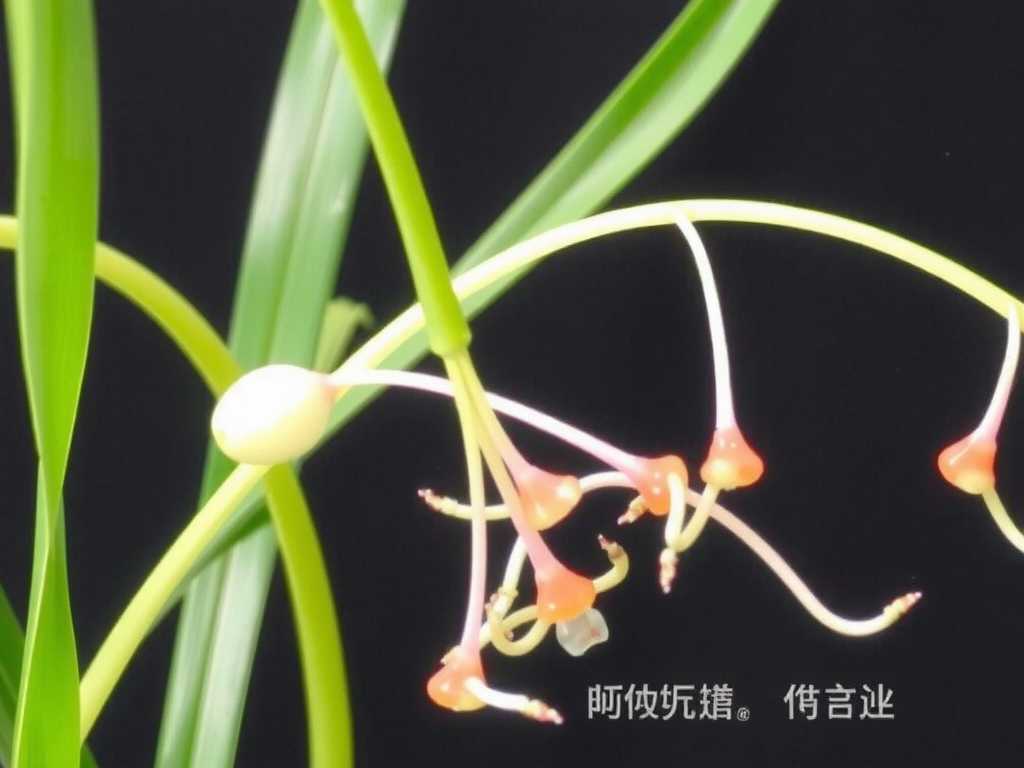
Before you make the first cut, it's essential to understand what makes this plant unique. The String of Pearls, or Curio rowleyanus (formerly Senecio rowleyanus), is a succulent vine. Each "pearl" is a modified leaf designed to store water. This adaptation means it has specific needs that differ from typical leafy houseplants. Its stems are prone to rot if kept too moist, yet the cuttings need consistent humidity to initiate roots. This balance is the key to successful propagation. Recognizing this duality—its drought tolerance versus its rooting requirements—sets the foundation for every step that follows.
Essential Tools and Materials for Propagation
Gathering your supplies beforehand streamlines the process. You won't need specialized equipment, just a few clean, basic items.
- Sharp, Sterilized Scissors or Pruning Shears: A clean cut is crucial. Blunt tools can crush the stem, creating an entry point for disease. Wipe blades with rubbing alcohol.
- Well-Draining Potting Mix: A standard cactus or succulent mix is perfect. For extra drainage, consider amending it with 20-30% perlite or pumice.
- Small Pots or Containers: Ensure they have adequate drainage holes. Shallow pots are often ideal for succulent cuttings.
- Optional but Helpful: A rooting hormone powder or gel can accelerate root development, especially for woody stem segments. A spray bottle for misting is also useful.
Step-by-Step Guide: Taking and Preparing Stem Cuttings
The initial preparation of your cuttings significantly influences their success rate. Follow these steps carefully.
Selecting the Healthiest Stems Begin by choosing the right parent material. Look for long, healthy strands with plump, glossy pearls. Avoid sections that are discolored, shriveled, or have signs of pests. Healthier cuttings contain more stored energy and water, giving them a better chance to root successfully. As noted by horticulturist Jane Smith in The Succulent Propagation Journal, "Vigor starts with the mother plant. A robust cutting is already halfway to becoming a robust new plant."
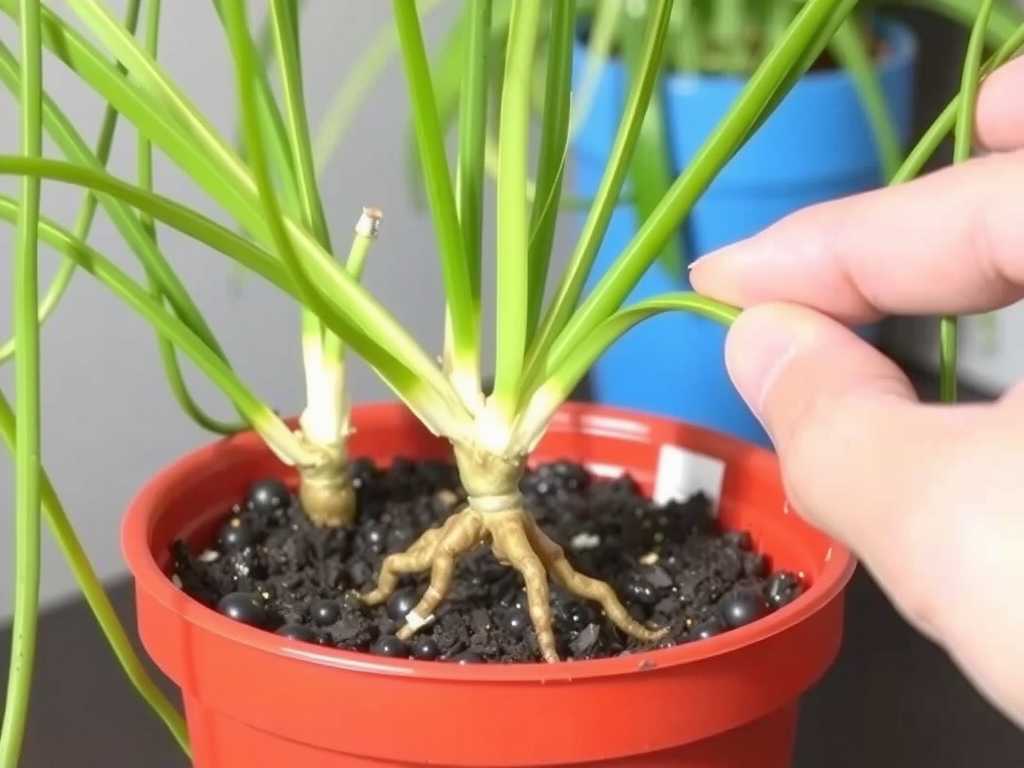
Making the Perfect Cut Identify a segment at least 3-4 inches long, or one that includes 4-5 pearls. Using your sterilized tools, cut just below a pearl (the node). This node is where new roots will most readily emerge. Ensure your cutting has a clear, undamaged stem segment at the end for inserting into the soil.
The Crucial Callusing Phase This is the most critical step many beginners overlook. After cutting, do not plant immediately. Place the cuttings in a dry, shaded spot for 1-3 days. This allows the cut end to form a dry, calloused seal. This callus prevents the succulent tissue from absorbing too much water and rotting when it touches the soil. The cuttings are ready when the cut end feels dry and hard to the touch.
Two Primary Methods for Rooting Stem Cuttings
You have two excellent options for rooting your String of Pearls cuttings. Both can be highly effective.
Method 1: Rooting Directly in Soil (The Most Common Approach) This method transplants the cutting only once, minimizing root disturbance.
- Fill your small pot with pre-moistened potting mix. Moisten it so it's lightly damp, not soggy.
- Gently insert the calloused end of the stem into the soil, deep enough to cover 1-2 pearls. You can coil the rest of the strand on the soil surface, using hairpins or bent paperclips to anchor the nodes in contact with the soil.
- Place the pot in bright, indirect light. Avoid direct sun, which can scorch the cuttings.
- Watering is key. Wait until the top inch of soil is completely dry before watering lightly. The goal is to encourage the cutting to seek out moisture and grow roots, not to sit in wet soil. A light mist around the base every few days can help maintain humidity.
Method 2: Rooting in Water (For Visual Learners) Some gardeners prefer this method to watch roots develop.
- Place the calloused cutting in a small jar or glass, ensuring only the bare stem is submerged. No pearls should be underwater.
- Fill with just enough water to cover the node.
- Place in bright, indirect light and change the water every 3-4 days to prevent bacterial growth.
- Once roots are about 1-2 inches long (typically in 2-4 weeks), carefully transplant the cutting into a well-draining soil mix. Be gentle, as water roots are more fragile than soil roots.
Optimal Care During the Rooting Phase
Your job isn't done after planting. Consistent care ensures the cuttings transition into healthy plants.
Light and Temperature Requirements Provide plenty of bright, indirect sunlight. An east or west-facing window is ideal. Maintain temperatures between 70-80°F (21-27°C) for optimal root growth. Avoid cold drafts or sudden temperature drops.
The Delicate Balance of Watering Overwatering is the fastest way to fail. Your mantra should be "neglect over nurture." Stick your finger in the soil; if it feels dry an inch down, it's time for a thorough but gentle watering. For water-propagated cuttings, maintain clean water as described.
Transitioning to Regular Care How do you know it worked? New growth is the surest sign. You'll see tiny new pearls forming at the ends of the strand or from nodes on the soil surface. Once you observe consistent new growth, you can begin to treat the plant more like a mature String of Pearls, gradually introducing it to slightly brighter light and extending the time between waterings.
Troubleshooting Common Propagation Problems
Even with care, issues can arise. Here’s how to address them.
Addressing Rotting Stems or Pearls If stems become mushy or black, it's usually due to excess moisture. Immediately remove the cutting from the soil, cut away all rotted parts with a sterile tool back to healthy tissue, re-callus, and start over in drier conditions.
Dealing with Shriveling Cuttings Some slight shriveling is normal as the cutting uses stored water. Severe shriveling indicates underwatering or a lack of root development. Check for roots. If none are present, ensure the soil has slight moisture or the water level is correct. A light mist can help rehydrate the pearls.
Managing Slow or Stalled Root Growth Patience is vital. If there's no progress after a month, reassess light and temperature. Sometimes, applying a small amount of rooting hormone to a freshly cut end (before callusing) can stimulate growth. Ensure the cutting isn't in a dormant period due to cooler temperatures.
Frequently Asked Questions
How long does it take for String of Pearls cuttings to root? In ideal conditions, you can expect to see the first roots in 2 to 4 weeks. Visible new pearl growth typically follows a few weeks after that. The soil method may show top growth slower, as energy is focused underground first.
Can I propagate a String of Pearls from just a single pearl? While it is technically possible, propagation from a single pearl is significantly more challenging and has a much lower success rate than using a stem segment with multiple pearls. The stem segment contains more energy reserves and viable nodes, making it the recommended and more reliable method for beginners.
Why are my propagated cuttings growing slowly even after rooting? Slow growth after rooting is often related to light or season. These plants grow most actively in spring and summer. Ensure they receive ample bright, indirect light. Also, avoid overpotting; a small pot encourages a focused root system and healthier growth. A diluted, balanced liquid fertilizer applied monthly during the growing season can also provide a boost.
Propagating your String of Pearls spider plant from stem segment cuttings is a simple and deeply satisfying process. By selecting healthy stems, allowing for proper callusing, and mastering the balance of moisture and light, you empower each cutting to develop a strong root system. Remember, the principles of patience and slight neglect often yield the best results with succulents. Each new strand that begins to grow is a testament to your understanding of the plant's core needs. Soon, you'll not only have mastered the technique but also have an abundance of these beautiful cascading plants to enjoy throughout your home.