bluename
 Variegated spider plant Seed Propagation: Temperature Control for Indoor Sowing
You've carefully collected or purchased those precious variegated spider plant seeds, envisioning a cascade of green and white striped foliage. Yet, despite your best efforts, the seeds stubbornly refuse to sprout, or the tiny seedlings wither away mysteriously. The culprit, more often than not, is improper temperature. Unlike mature spider plants that tolerate a range of conditions, their seeds and seedlings are exquisitely sensitive to their thermal environment. Mastering temperature control for indoor sowing is the single most critical factor that separates successful propagation from disappointing failure. This guide will demystify the exact thermal requirements, providing you with a clear, actionable blueprint for nurturing your variegated spider plants from tiny seeds to thriving plants.
Why Temperature is the Gatekeeper of Germination
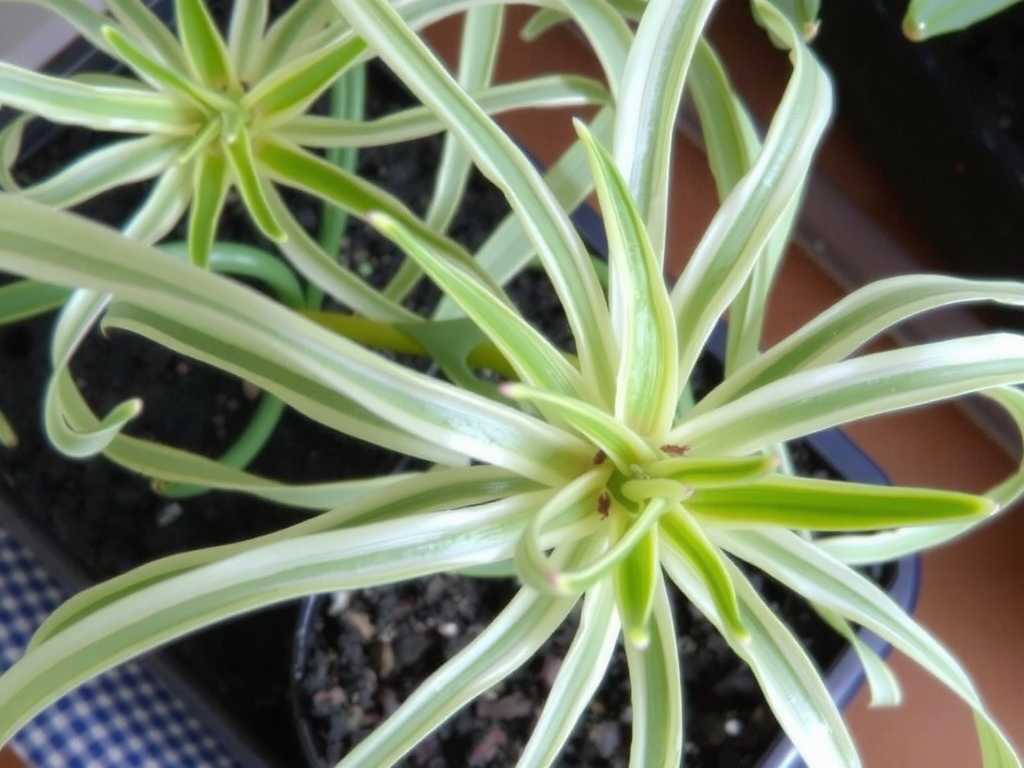
Seeds are not merely dormant; they are sophisticated biological packages waiting for precise environmental signals to activate. For the variegated spider plant (Chlorophytum comosum ‘Vittatum’ or ‘Variegatum’), temperature is the primary signal that triggers the biochemical processes of germination. Sowing seeds at room temperature might seem logical, but "room temperature" is a vague and often unsuitable target.
Applying the correct, consistent warmth mimics the plant's natural subtropical germination conditions after a warm season rain. It accelerates enzyme activity, softens the seed coat, and kickstarts the embryo's growth. Inconsistent or incorrect temperatures lead to prolonged dormancy, fungal diseases like damping-off, or complete germination failure. According to horticultural research from institutions like the Royal Horticultural Society, maintaining a stable thermal range is more crucial for germination success than minor fluctuations in moisture or light at this initial stage.
The Ideal Temperature Range for Variegated Spider Plant Seeds
So, what is the magic number? For optimal germination of variegated spider plant seeds, you must aim for a consistent soil temperature range.
- The Goldilocks Zone: 70°F to 75°F (21°C to 24°C). This is the sweet spot. Within this range, metabolic processes within the seed occur at an optimal rate. You can expect to see the first signs of germination—tiny white radicles emerging—within 10 to 20 days.
- The Marginal Zones: Temperatures dipping below 65°F (18°C) will dramatically slow down germination, increasing the wait time to several weeks or more. It also significantly raises the risk of seed rot. Conversely, temperatures consistently above 80°F (27°C) can cook the delicate embryos, causing them to perish before they ever break the soil surface.
- Consistency is King: Perhaps even more important than the exact degree is stability. A fluctuation of 10 degrees between day and night can stress the germinating seeds. Your goal is to create a miniature, stable climate.
Practical Methods for Indoor Temperature Control
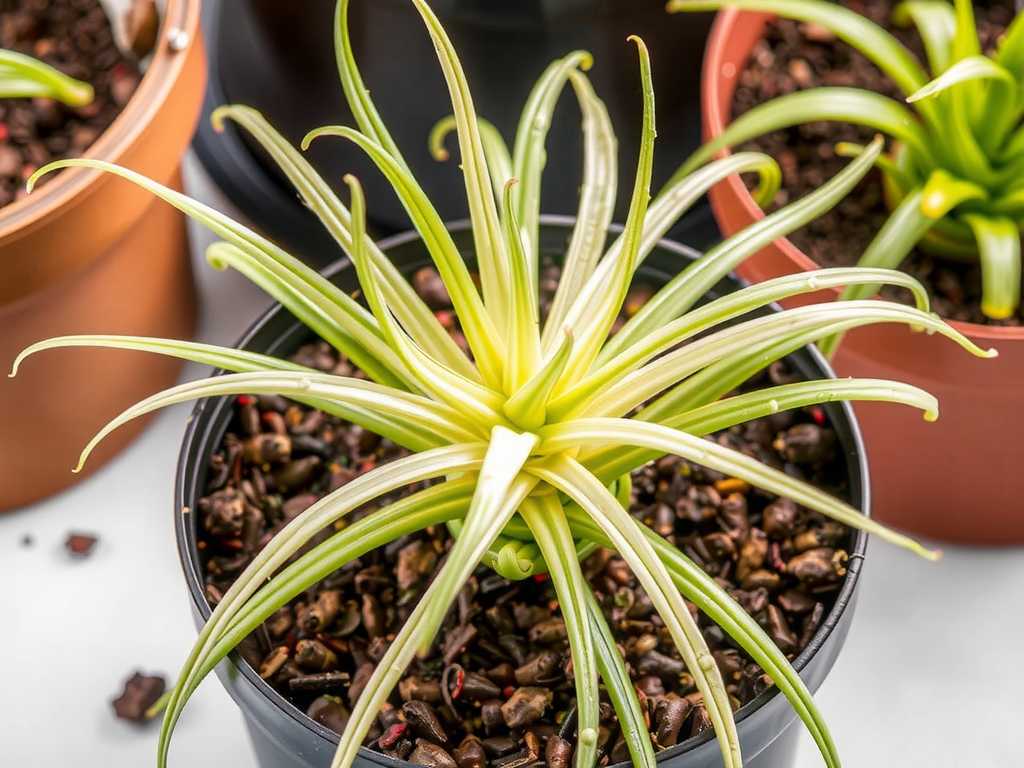
Achieving and maintaining that perfect indoor seed sowing temperature requires a bit more strategy than simply placing a pot on a windowsill. Here are the most effective and accessible methods.
Using a Seedling Heat Mat: The Professional's Choice A waterproof electric heat mat is the most reliable tool for controlling temperature during spider plant propagation. Placed under your seed tray, it provides gentle, bottom-up warmth that directly heats the growing medium, where it matters most.
- How to Use It: Always use the heat mat with a thermostat probe. Insert the probe into the soil of one of your seed cells. Set the thermostat to your target of 72°F (22°C). The mat will cycle on and off to maintain that exact soil temperature, regardless of ambient room air temperature.
- Key Benefit: It decouples soil temperature from air temperature. Your home might be 68°F at night, but your seeds will remain in their perfect 72°F environment, ensuring uninterrupted growth.
Identifying and Utilizing Natural Warmth Microclimates If a heat mat isn't available, you can scout your home for naturally warm spots.
- Top of Refrigerator or Appliance: Many appliances emit residual warmth from their motors.
- Above a Radiator or Heating Vent: Use caution here. Place the seed tray on a tall stand or bookshelf near but not directly on a heat source to avoid overheating and drying out the soil.
- Enclosed Spaces: A high, enclosed shelf or inside a cabinet can trap warmer air that rises. Always monitor temperatures in these spots with a thermometer for a full 24-hour cycle before committing your seeds.
The Critical Role of Humidity Domes While primarily for humidity, a clear plastic propagation dome or even a loosely tied plastic bag plays a vital secondary role in temperature management. It creates a miniature greenhouse effect, trapping warmth and moisture from the soil and ambient air, helping to stabilize the microclimate around your seeds. Ensure the dome has vents or prop it open slightly once germination begins to prevent excessive heat buildup and promote air circulation.
Monitoring Your Setup Accurately
"Guesswork" has no place in successful seed propagation. Relying on the feeling of the room or the pot is insufficient.
- Invest in a Soil Thermometer: A simple, inexpensive probe thermometer is indispensable. Insert it into the growing medium to get a true reading of what your seeds are experiencing.
- Check Regularly: Monitor temperatures at different times—morning, afternoon, and night—to understand the full diurnal cycle of your chosen location.
Post-Germination: Adjusting Temperature for Seedling Growth
Once those first triumphant green shoots appear, your temperature strategy must evolve. Seedlings are slightly more resilient but still require careful management.
- The Transition Phase: For the first week after germination, maintain temperatures in the 68°F-75°F (20°C-24°C) range. This supports strong root development.
- Hardening Off the Temperature: After the seedlings have developed their first true set of leaves (distinct from the initial seed leaves), you can begin to gently acclimate them to slightly cooler conditions. Gradually reduce the temperature by a few degrees, aiming for a final range of 65°F-75°F (18°C-24°C), which is ideal for mature spider plant growth. If using a heat mat, this is the time to start weaning them off it by reducing the thermostat setting or the duration of use.
Common Pitfalls and Troubleshooting
- Seeds Not Sprouting: The most likely cause is soil temperature being too low. Verify with a soil thermometer and introduce a heat source.
- Seedlings are Leggy and Weak: This indicates insufficient light, not temperature. However, high heat combined with low light exacerbates this issue. Ensure seedlings are under a bright grow light or in a very sunny window.
- Damping-Off Disease (Seedlings Collapse): This fungal menace thrives in cool, wet, stagnant conditions. While overwatering is the primary cause, low soil temperatures slow evaporation and seedling growth, making them more susceptible. Ensuring adequate warmth and air circulation is a key preventative measure.
Frequently Asked Questions
Can I propagate variegated spider plants from seed, and will they stay variegated? Yes, you absolutely can propagate them from seed. However, variegation is not always 100% stable from seed. While many seedlings will exhibit the characteristic white stripes, some may revert to solid green. This is part of the genetic lottery of seed propagation. For guaranteed variegation, propagating from the plantlets (spiderettes) of an existing variegated plant is the surest method.
My room is warm. Do I still need a heat mat for spider plant seeds? It depends on the consistency of that warmth. If your room stays steadily between 70°F and 75°F day and night, you may succeed. However, most homes experience drops at night or in unused rooms. A heat mat with a thermostat guarantees the correct root-zone temperature, removing all uncertainty and significantly boosting your success rate, making it a worthwhile investment for serious propagators.
What is the best soil temperature for starting spider plant seeds indoors? The best soil temperature, as emphasized throughout, is a consistent 70°F to 75°F (21°C to 24°C). This specific range provides the ideal conditions for the biochemical reactions required for the variegated spider plant seed to break dormancy and initiate growth, leading to faster and more uniform germination.
By understanding and implementing these precise temperature control techniques, you transform from a hopeful sower to a confident propagator. You provide the fundamental catalyst that awakens life within the seed. With patience, careful monitoring, and a stable warm environment, you'll be rewarded not just with seedlings, but with the deep satisfaction of having mastered one of nature's most delicate processes. Your journey to a home filled with beautiful, air-purifying variegated spider plants begins with this one, critical factor: consistent, gentle warmth.