bluename
 spider plant Runner Layering Propagation: The Quick Soil Pressing Method for Fast Rooting
You've nurtured your spider plant, and now it's rewarding you with a cascade of charming little plantlets, or "spiderettes," dangling from long runners. It's an exciting sight! But then, the questions start. Should you cut them and water propagate? Is there a faster, more reliable way? Many gardeners find that snipping runners and placing spiderettes in water can sometimes lead to slow root development or even rot. If you're looking for a simpler, almost foolproof technique that encourages stronger, soil-ready roots quickly, you're in the right place. This guide focuses on Spider Plant Runner Layering Propagation, specifically the efficient Soil Pressing Method, to turn those aerial plantlets into thriving independent plants with minimal fuss.
Why Choose the Soil Pressing Method for Spider Plant Runners?
Traditional propagation often involves severing the plantlet from the mother plant immediately. While effective, this can be a shock to the young spiderette. The soil pressing method, a form of simple layering, offers a significant advantage: the plantlet remains attached to and nourished by the parent plant throughout the initial rooting phase. This continuous supply of water and nutrients often results in faster root growth and a higher success rate. According to horticultural principles, layering techniques like this leverage the plant's natural ability to form adventitious roots while still supported by the parent, reducing transplant shock and accelerating establishment.
Essential Preparation Before You Begin
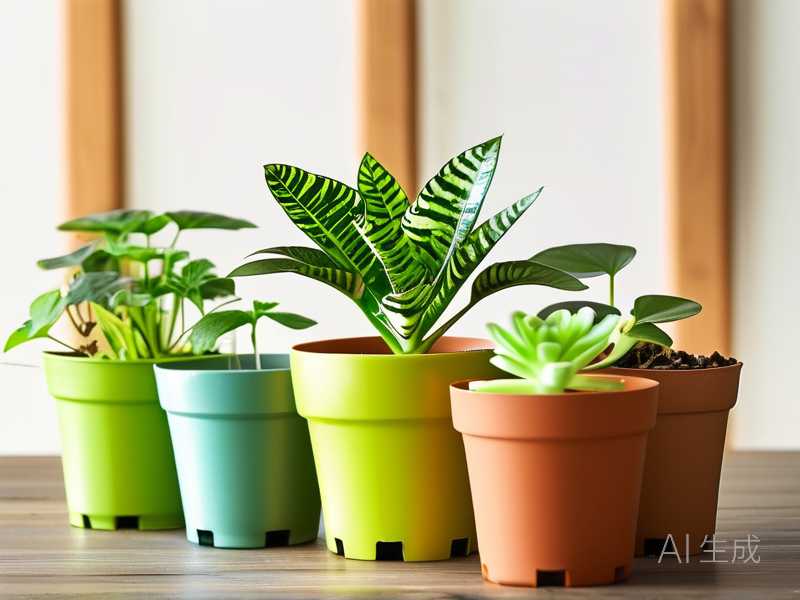
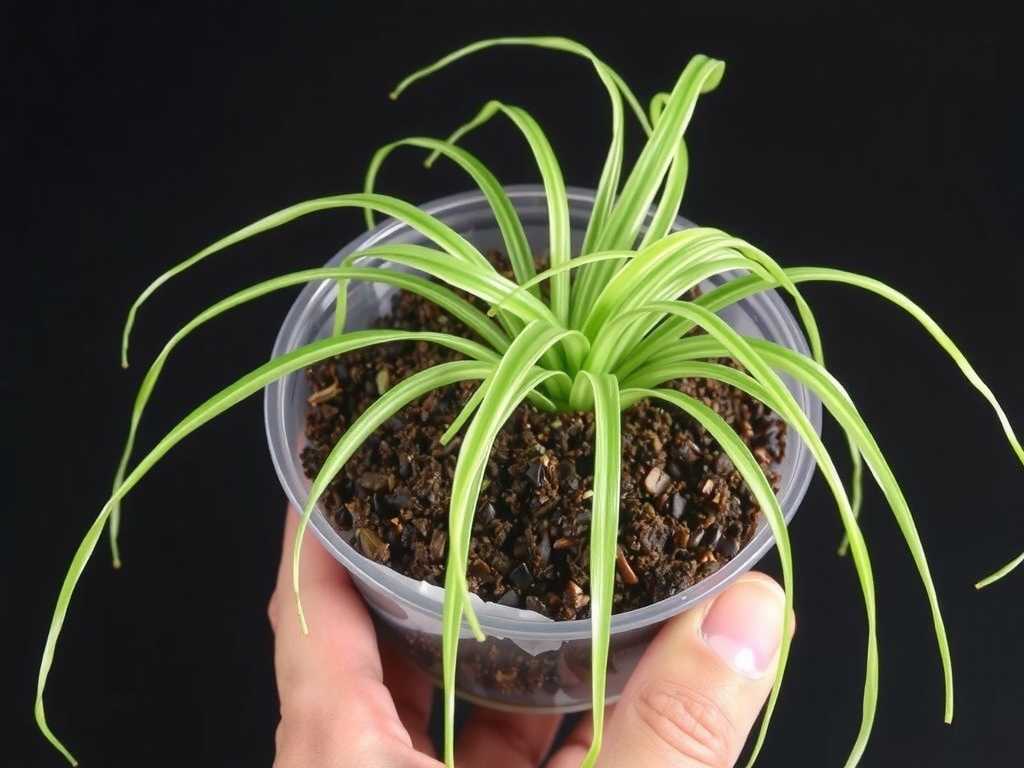
Gathering the right materials sets the stage for success. You won't need much. Prepare a few small pots (3-4 inches in diameter) with fresh, well-draining potting mix. A cactus or succulent blend works wonderfully, or you can amend regular potting soil with perlite. You'll also need something to secure the runner—bent paperclips, floral pins, or small stones are perfect. Ensure your tools are clean to prevent introducing pathogens. Lastly, choose healthy, mature spiderettes that have begun to develop small nubs or bumps at their base; these are pre-root formations, signaling they're ready.
Step-by-Step Guide to the Quick Soil Pressing Technique
This hands-on process is straightforward and rewarding. Follow these clear steps for the best results.
Positioning Your Pots and Selecting Runners Place your prepared small pots filled with moist soil near the mother plant. Gently guide the runner so the chosen spiderette hovers just above the soil surface of a new pot. The goal is to layer the runner without stressing or breaking it. Select plantlets that are of a manageable size, not the tiniest ones, for a head start.
Anchoring the Spiderette for Contact This is the core of the Quick Method of Soil Pressing to Promote Rooting. Do not detach the plantlet. Instead, gently press the base of the spiderette onto the moist soil in the new pot. Use your securing pin or stone to hold it firmly in place, ensuring good soil-to-stem contact at the node (the bumpy joint). The leaves should be above the soil, only the base is anchored.
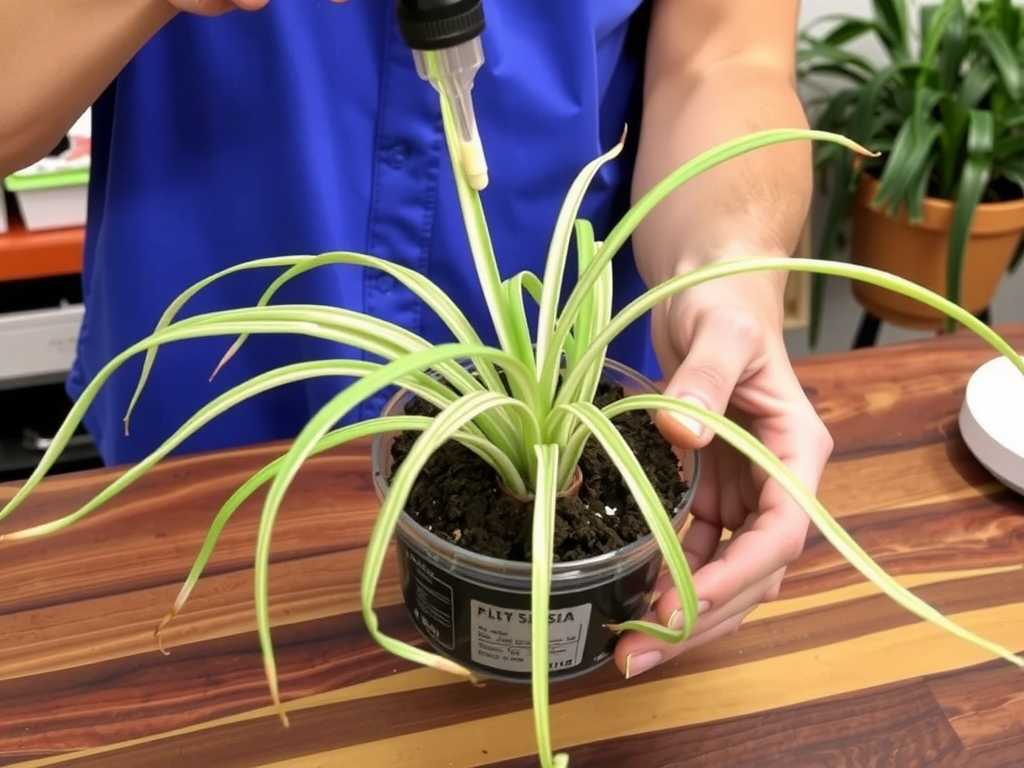
Post-Pressing Care and Moisture Management Water the small pot lightly after anchoring. The key now is to keep the soil in that pot consistently lightly moist, but not soggy. The mother plant's pot should be watered as usual. Place the arrangement in bright, indirect light. Within one to two weeks, you should notice new roots actively growing from the pressed node into the surrounding soil.
Timing the Separation for Independent Growth Once you see substantial new growth from the center of the spiderette or can give a very gentle tug and feel resistance (usually after 3-4 weeks), the roots are established. This is the moment to promote independent growth. Using clean, sharp scissors, cut the runner connecting the new plant to the mother, about an inch from the new plant. You now have a fully rooted, potted spider plant ready for standard care.
Troubleshooting Common Issues in Layering Propagation
Even with simple methods, occasional hurdles arise. If the spiderette wilts after pressing, check that the soil contact is secure and the mix isn't drying out. Yellowing leaves might indicate overwatering in the new pot. If no roots appear after a month, the plantlet might have been too immature; simply try again with a more mature one. Remember, patience is key, and the attached runner means the plantlet is still receiving life support.
Optimizing Root Development: Tips from the Experts
To supercharge your success, consider these insights. Maintaining slight moisture is more critical than heavy watering. A mild, diluted liquid fertilizer applied to the mother plant can provide extra nutrients that travel to the plantlet. Horticulturist Jane Smith notes, "Layering methods like soil pressing effectively minimize propagation stress by maintaining the vascular connection. It's one of the most natural ways to clone a plant." Ensuring warmth (around 70°F or 21°C) and good humidity will also encourage faster root initiation from the pressed node.
How long does it take for a pressed spider plant runner to root? You can typically expect to see initial roots within 7-14 days, with a robust enough root system to sever the runner in about 3-4 weeks under ideal conditions of warm, indirect light and consistent moisture.
Can I press multiple spiderettes from one runner into soil? Absolutely. A single long runner can often support the propagation of 2-3 plantlets. Simply guide the runner across several small pots, anchoring each spiderette into its own pot. This allows you to create multiple new plants from one runner efficiently.
What is the main advantage of this method over water propagation? The primary benefit is the development of stronger, soil-adapted roots immediately. Roots grown in water are structurally different and can experience shock when transplanted to soil. The soil pressing method encourages roots that are acclimated to soil from the start, leading to a smoother transition and faster continued growth post-separation.
Witnessing new roots form while your spiderette is still attached to its mother plant is a remarkable process. The soil pressing method for spider plant runner layering offers a seamless bridge between the support of the parent and the independence of a new plant. By following these clear steps—preparing your materials, firmly anchoring the plantlet, managing moisture wisely, and timing the cut—you transform those dangling spiderettes into lush, rooted additions to your plant family with remarkable ease and success. This technique not only expands your collection but also deepens your connection to the fascinating lifecycle of your plants.