bluename
 spider plant Leaf Cutting Propagation: Leaf Selection and Rooting Conditions
Have you ever snipped a vibrant, healthy leaf from your spider plant, placed it in water with high hopes, only to watch it slowly turn yellow and mushy? You’re not alone. Many plant enthusiasts face disappointment when their leaf cuttings fail to root, wasting beautiful plant material and leaving them confused about what went wrong. The secret to success isn’t just about cutting any leaf and hoping for the best. It hinges on two absolutely critical, and often overlooked, factors: selecting the perfect leaf and providing the precise rooting conditions it needs to thrive. Mastering spider plant leaf cutting propagation through proper leaf selection and rooting conditions transforms this process from a gamble into a guaranteed, rewarding way to expand your green family.
Why Your Spider Plant Leaf Cuttings Fail (And How to Succeed)
Understanding why cuttings fail is the first step toward consistent success. The primary culprits are almost always related to our two key themes: poor initial material and an unsuitable environment. A weak, diseased, or immature leaf lacks the stored energy to produce roots. Even a perfect leaf, however, is doomed if placed in stale water, incorrect light, or improper temperature. This guide will walk you through a foolproof, step-by-step methodology that addresses these exact pain points, ensuring your propagation efforts yield robust, new spider plants.
The First Critical Step: Selecting the Champion Leaf
Not all spider plant leaves are created equal for propagation purposes. Choosing the right one is the non-negotiable foundation of the entire process. Think of it as selecting the strongest athlete for a marathon; they need inherent vitality to endure and finish the race.
Identifying the Healthiest Source Leaves
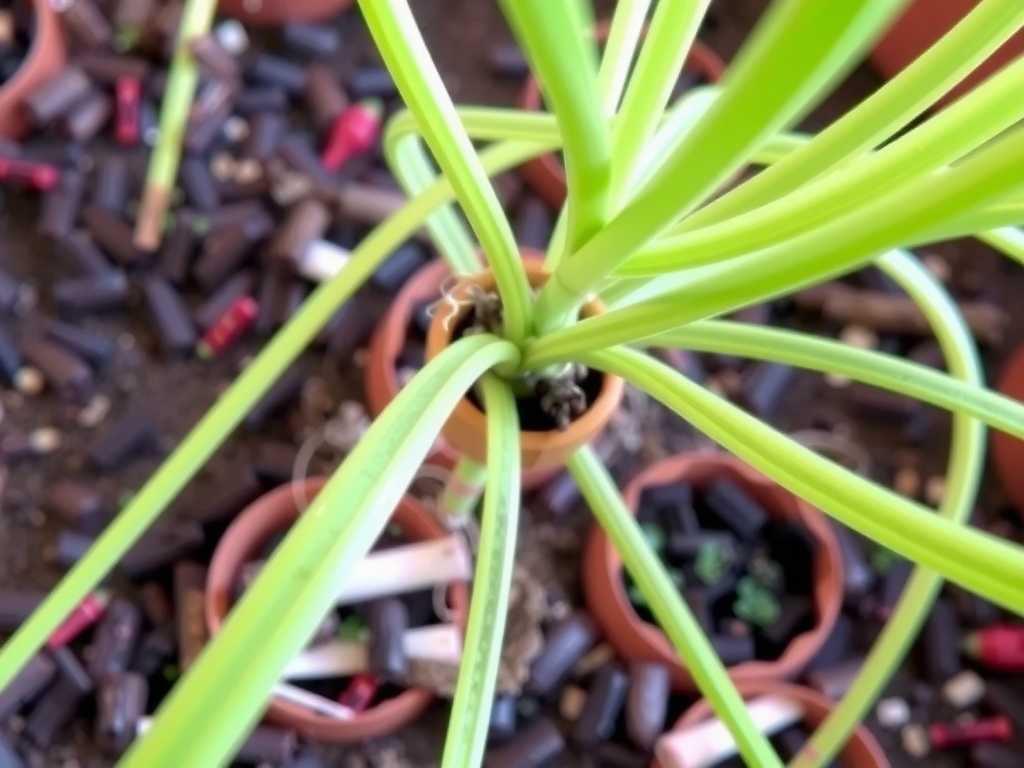
Your journey begins with a thorough inspection of the mother plant. Always choose a plant that is visibly healthy, pest-free, and actively growing. The ideal candidate leaf is what we often call a "mature, juvenile" leaf—it’s not the oldest nor the newest.
Look for these specific characteristics:
- Vibrant Color: A uniform, deep green color (or rich variegation for varieties like ‘Vittatum’ or ‘Bonnie’). Avoid leaves with yellowing, brown tips, or pale, washed-out sections.
- Firm Texture: The leaf should feel firm and turgid to the gentle touch, not limp, thin, or rubbery.
- Full Size: It should have reached its full, typical length for the variety, indicating it has completed its growth phase and stored ample nutrients.
- Flawless Surface: Inspect both the top and underside for any signs of pests (like mealybugs or spider mites) or disease (spots, lesions). As noted by horticulturist Dr. Linda Chalker-Scott in her work on plant propagation, "Starting with diseased material inevitably leads to propagation failure, as pathogens outcompete the developing roots for resources."
Leaves to Avoid for Propagation
Knowing what to skip is just as important. Never use:
- The Brand New, Central Leaves: These are too immature, still drawing energy from the plant rather than having their own reserves.
- The Oldest, Outer Leaves: These are often nearing the end of their lifecycle, may be weaker, and are more susceptible to rot.
- Damaged or Stressed Leaves: Any leaf with physical damage, significant browning, or signs of environmental stress is a poor candidate.
The Art and Science of the Perfect Cut
Once you’ve identified your champion leaf, the next step is making a clean, strategic cut. This isn’t a rough tear; it’s a surgical procedure for your plant.
Essential Tools and Sterilization
You will need a pair of sharp, clean scissors or precision pruners. Blunt tools crush the vascular tissues, creating a wound that is slow to heal and highly susceptible to rot. Before and after each use, wipe your blades with isopropyl alcohol. This simple practice, emphasized in professional nursery settings, prevents the transfer of bacteria or fungi from one plant to another.
Precision Cutting Technique
Follow this precise method:
- Trace the leaf back to its base, near the soil line of the mother plant.
- Make your cut at a 45-degree angle, approximately 1-2 inches from the base. The angled cut serves two purposes: it increases the surface area from which roots can potentially emerge, and it prevents water from pooling flat on the cut end if you are propagating in soil.
- Optionally, you can make a second, very shallow vertical slit (about 1/4 inch long) up the base of the cutting. This minor injury can sometimes stimulate a greater callusing and root response.
Creating the Ideal Rooting Environment: Water vs. Soil
With your perfect cutting prepared, its fate now rests entirely on the rooting conditions you provide. You have two excellent primary methods, each with its own ideal environment.
Method 1: Rooting in Water (The Visual Favorite)
Water propagation is popular because it allows you to witness root development.
- Vessel: Use a clear glass or jar. Dark-colored glass can help inhibit algae growth.
- Water: Always use room-temperature, filtered or tap water that has been left out for 24 hours to allow chlorine to evaporate. Never use cold water.
- Placement: Submerge only the bottom 1-1.5 inches of the leaf stem. No leaf tissue should be underwater, as this will cause rot.
- Environment: Place the vessel in a location with bright, indirect light. Direct sunlight will cook the cutting and promote algae. A north or east-facing window is ideal.
- Maintenance: Change the water completely every 3-5 days to keep it oxygenated and clear of bacterial buildup. Top it off as needed between changes.
Method 2: Rooting in Soil (The Direct Approach)
This method transplants the cutting directly into its future home, avoiding the later shock of transferring water roots to soil.
- Potting Mix: Use a light, well-draining propagation mix. A combination of 50% peat moss or coco coir and 50% perlite or coarse sand is perfect. According to a University of Florida IFAS extension report on asexual propagation, a sterile, soilless medium provides the optimal balance of moisture retention and aeration for root initiation.
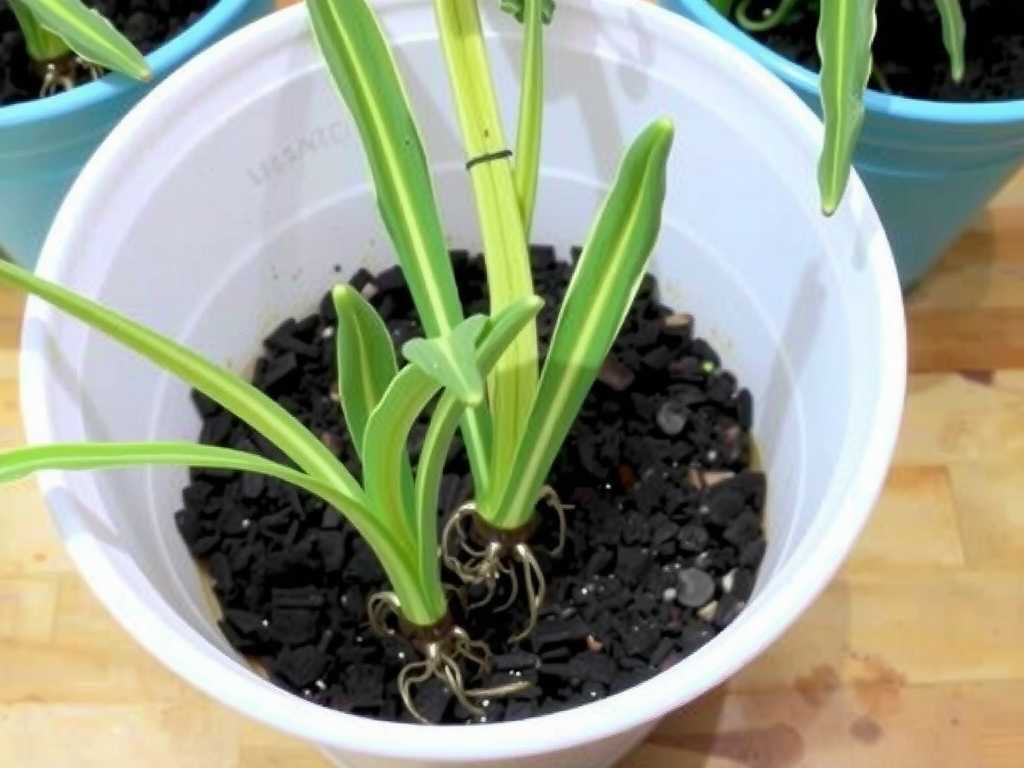
- Planting: Moisten the mix lightly until it feels like a wrung-out sponge. Make a small hole with a pencil or your finger and insert the cut end of the leaf about 1 inch deep. Gently firm the mix around it.
- Environment: Place the pot in the same bright, indirect light as for water propagation.
- Moisture Management: This is critical. Keep the potting mix consistently lightly moist, but never soggy. Overwatering is the fastest way to induce rot. You can cover the pot with a clear plastic bag to create a mini-greenhouse that maintains humidity, but open it daily for fresh air.
Optimizing Environmental Factors for Rapid Rooting
Whether in water or soil, three universal environmental factors dramatically influence your success rate.
Light: The Energy Regulator Bright, indirect light is the golden rule. It provides the energy the cutting needs to fuel root development without causing dehydration or heat stress. A spot that receives gentle morning sun or dappled afternoon light is perfect. Avoid deep shade, which will stall growth.
Temperature: The Growth Catalyst Spider plants root best in warm conditions. Aim for a consistent temperature range between 70°F and 75°F (21°C - 24°C). Temperatures below 65°F (18°C) will significantly slow down the rooting process. Keep cuttings away from cold drafts or direct heat vents.
Humidity: Reducing Stress While not as critical as for some tropical plants, moderate humidity (around 40-50%) helps prevent the single, tender leaf from losing too much moisture before its new roots can draw up water. The plastic bag tent over soil pots or the natural evaporation from a water glass helps create this locally.
Timeline, Transition, and Troubleshooting
What to Expect and When In ideal rooting conditions, you should see the first tiny, white root nubs emerging from a water cutting in 7-14 days. For soil propagation, gently tug on the leaf after about 3 weeks; if you feel slight resistance, roots are forming. A full, viable root system for transplanting (from water) or established growth (in soil) typically takes 4-6 weeks.
Transitioning Water Roots to Soil If you started in water, don’t wait until the roots are overly long and tangled. When they are about 2-3 inches long, it’s time to pot them. Plant them in a well-draining potting mix, keep the soil consistently moist (not wet) for the first 2 weeks, and provide bright indirect light. This helps the water roots adapt to their new soil environment.
Common Issues and Quick Fixes
- Cutting Turning Yellow/Mushy: This is rot, usually from a poor initial cut, contaminated water, or a leaf with damage. Discard and start fresh with stricter hygiene.
- No Roots After a Month: Likely due to low temperature or insufficient light. Reassess the rooting environment and move to a warmer, brighter location.
- Leaf Wilting in Soil: The soil may be too dry, or the humidity too low. Ensure the medium is lightly moist and consider using a humidity dome.
Can I propagate a spider plant from just a leaf without a stem? No, successful spider plant leaf cutting propagation requires a piece of the stem tissue (the stolon base). A leaf blade alone, severed from the crown or stem, lacks the meristematic cells necessary to generate new roots and shoots. You need the "heel" or base where the leaf attaches.
Is it better to root spider plant cuttings in water or soil? Both are effective, but they serve different preferences. Water propagation offers visual confirmation of roots and is satisfying for beginners. Soil propagation is often faster overall and avoids transplant shock, making it a favorite for experienced gardeners. The ultimate success depends more on your attention to the ideal rooting conditions for your chosen method than the method itself.
How many leaves should I put in one propagation pot? For a fuller plant more quickly, you can group 3-5 rooted leaf cuttings (or cuttings with developing plantlets) in one 4-6 inch pot. Space them evenly around the pot’s edge. This creates an instantly lush, mature-looking spider plant as they grow together.
Mastering the dual pillars of leaf selection and rooting conditions turns propagation from an uncertain experiment into a reliable skill. It begins with choosing a robust, mature leaf from a healthy plant and making a clean cut. Its success is then secured by providing a stable, nurturing environment of bright indirect light, consistent warmth, and appropriate moisture. Whether you choose the clear simplicity of water or the direct efficiency of soil, applying this precise knowledge empowers you to multiply your spider plants with confidence, filling your home with more of their graceful, air-purifying beauty.