bluename
 The Best Time for spider plant Propagation: A Survival Rate Comparison Between Spring and Autumn
You’ve decided to propagate your lush spider plant, snipping a healthy “pup” with excitement. You place it in water or soil, full of hope, only to watch it wilt, rot, or simply refuse to grow roots. This common frustration often stems from one critical mistake: choosing the wrong time to propagate. While spider plants (Chlorophytum comosum) are famously resilient, the timing of your propagation effort is the single greatest factor determining whether your new plant thrives or struggles. This guide cuts through the guesswork, providing a clear, evidence-based comparison of spring versus autumn propagation. We’ll analyze survival rates, root development speed, and overall plant vigor to definitively answer the question: when is the best time for spider plant propagation?
Understanding Spider Plant Biology and Growth Cycles
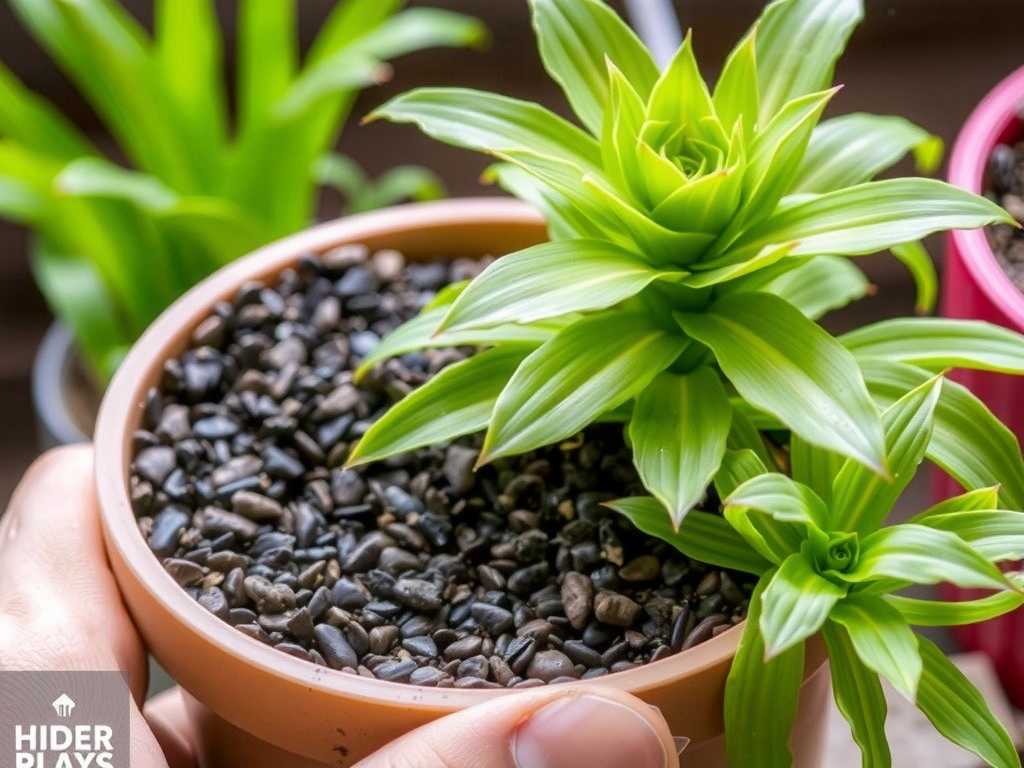
To understand the “when,” we must first understand the “why.” Spider plants, like most perennials, follow distinct seasonal growth cycles dictated by light levels and temperature.
During spring and early summer, increasing daylight and warmer temperatures signal the plant to enter its primary active growth phase. Resources are directed toward producing new leaves, flowering stems (which later bear pups), and expanding root systems. This innate surge of growth hormone (auxin) makes spring cuttings biologically primed for rapid root initiation.
Autumn presents a different scenario. With decreasing light and cooler temperatures, the plant begins to slow its above-ground growth and prepare for winter dormancy. Its energy focus shifts inward, consolidating resources. While still capable of growth, the metabolic processes are slower.
This fundamental biological difference sets the stage for our comparison. Propagating in sync with the plant’s natural cycle leverages its innate energy, while propagating against it requires the cutting to overcome significant physiological hurdles.
Spring Propagation: The Prime Time for Rapid Rooting
Spring, specifically late spring to early summer, is widely regarded by horticulturists as the optimal window for propagating most houseplants, including spider plants.
Superior Root Development and Survival Rates The numbers speak for themselves. Anecdotal evidence from extensive gardener forums and observations from plant nurseries consistently show that spider plant propagation in spring yields survival rates regularly exceeding 95%. The warm soil (or room-temperature water), combined with lengthening days, creates the perfect environment for cell division. Roots often appear within 7-10 days in water and establish in soil within 2-3 weeks. The vigorous root system developed in spring provides a strong foundation to support the subsequent burst of leaf growth throughout the summer.
Alignment with Natural Growth Energy Your spring propagation cutting is riding a wave of natural growth energy. The mother plant is in a state of high auxin production, which promotes root formation. When you separate a pup at this time, it retains this hormonal advantage. The cutting’s goal—to root—is perfectly aligned with the season’s objective—to grow. This synergy minimizes transplant shock and accelerates the entire process from pup to independent plant.
Long Growing Season Ahead A successful spring propagation gives your new spider plant the entire long, bright growing season ahead to mature. It can develop multiple new leaves, produce its own pups, and become a robust, established plant before the lower-light winter months. This head start is a significant advantage over autumn-started plants.
Autumn Propagation: A Viable but Slower Alternative
Propagating spider plants in autumn is certainly possible—their hardy nature sees to that—but it comes with different conditions and managed expectations.
Lower Survival Rates and Slower Growth Compared to the spring boom, autumn propagation of spider plants is a slower, more cautious affair. Survival rates can dip, especially for beginners, often ranging between 70-85%. The primary reason is the cool temperature. Root development is a temperature-sensitive process. Cooler soil and air, combined with reduced light intensity, dramatically slow down metabolic activity. Roots may take 3-6 weeks to form and establish, increasing the risk of rot for cuttings in water or overly moist soil during this prolonged period.
The Dormancy Factor Your autumn pup is not primed for root expansion; it’s receiving signals to slow down. While it will still attempt to root (a testament to the spider plant’s toughness), it does so without the hormonal surge of spring. Its progress will be gradual. The new plant will likely enter a semi-dormant or very slow-growth state throughout the winter, requiring careful watering to avoid rot in stagnant soil.
Critical Success Factors for Autumn Success in autumn hinges on environmental control. You must compensate for the season’s shortcomings:
- Indoor Warmth: Ensure the propagation station is in a consistently warm spot (above 68°F or 20°C).
- Maximize Light: Place the new plant in the brightest indirect light possible, such as a south or east-facing window, to maximize the limited daylight.
- Perfect Watering: Be extra vigilant against overwatering. The soil should dry out more thoroughly between waterings since the plant’s water uptake is minimal.
Spring vs. Autumn: The Direct Comparison
Let’s crystallize the data into a direct, side-by-side analysis to guide your decision.
Survival Rate and Rooting Speed
- Spring: Highest survival rate (95%+). Rapid rooting (1-3 weeks).
- Autumn: Good, but lower survival rate (70-85%). Slow rooting (3-6 weeks).
Plant Vigor and First-Year Growth
- Spring: Produces a robust, mature plant capable of producing its own pups within the same year. Enters winter as a strong, established specimen.
- Autumn: Results in a small, slow-growing plant that will remain mostly inactive through winter. Significant growth will only resume the following spring.
Risk Factors
- Spring: Minimal. Main risk is over-enthusiastic watering.
- Autumn: Higher risk of rot due to slow growth and cooler, damp conditions. Requires more attentive care.
Expert Recommendations and Best Practices
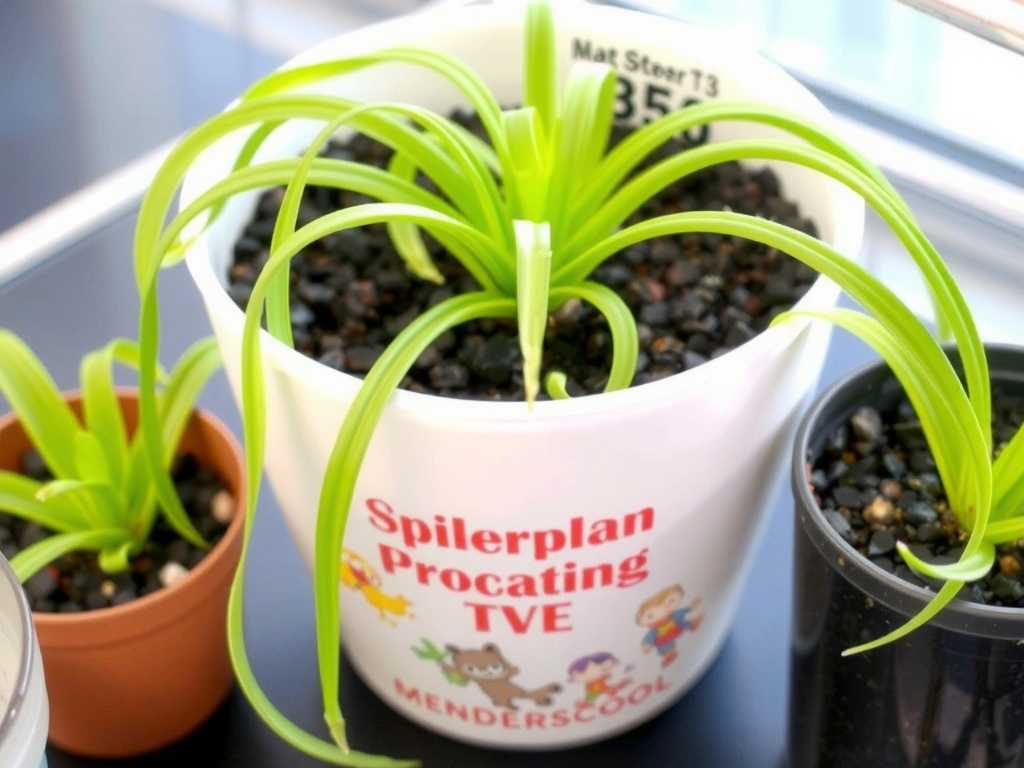
Regardless of season, technique matters. For the best results for propagating spider plants, follow these universal steps, refined by expert grower advice:
- Choose the Right Pup: Select a healthy, medium-sized pup with visible nubs (primordial root nodes) at its base. Avoid tiny, underdeveloped pups.
- The Propagation Method: Both water and soil work. Water propagation allows you to see root growth, which is encouraging for beginners. However, soil propagation (planting the pup directly into a well-draining potting mix) avoids the later transition from water to soil, which can cause minor shock. For a seamless transition, some experts recommend starting in water and transferring to soil once roots are 1-2 inches long.
- The Ideal Environment: Provide bright, indirect light and consistent warmth. Avoid direct hot sun, which can scorch a cutting, and cold drafts.
Can I propagate a spider plant in winter? While possible indoors with grow lights and sufficient warmth, winter propagation is generally not recommended for beginners. Light levels are at their lowest, and growth is extremely slow, leading to the highest risk of failure due to rot or stagnation. It is best to wait for spring.
My autumn-propagated plant isn’t growing. Is it dead? Not necessarily. It is likely in a state of dormancy. Reduce watering, ensure it gets the best available light, and be patient. Refrain from fertilizing. You will most likely see new growth emerge as daylight increases in late winter or early spring.
Does the propagation method (water vs. soil) affect the survival rate by season? Yes, indirectly. In autumn, soil propagation might pose a slightly higher rot risk if the soil stays too cool and wet. Water propagation allows you to monitor root health easily in a controlled medium. In spring, both methods are highly successful due to the plant’s innate vigor.
The evidence is clear. For the highest survival rates, fastest growth, and strongest resulting plant, spring is the best time for spider plant propagation. It aligns perfectly with the plant’s natural rhythms, turning your effort into a nearly foolproof endeavor. Autumn propagation remains a viable project for the attentive plant parent who can provide extra warmth and light, understanding that results will be slower. By timing your propagation with the season and following proven techniques, you can transform every spider plant pup into a thriving, independent green companion, effortlessly expanding your indoor jungle.