bluename
 Post-Division Care for spider plants: Precautions to Avoid Acclimatization Failure
You’ve successfully divided your lush spider plant, a moment filled with the promise of new growth. Yet, the real challenge begins now. Many plant enthusiasts watch their new spider plant pups, or offsets, struggle, wilt, or even fail to thrive after separation. This critical phase, known as acclimatization, is where the journey often goes awry. Without proper post-division care for spider plants, these young plants can suffer from transplant shock, root rot, or stunted growth, turning your propagation success into disappointment. This guide is dedicated to providing the essential precautions to ensure your spider plant divisions not only survive but flourish, effectively avoiding the common pitfalls of acclimatization failure.
Understanding the Acclimatization Shock
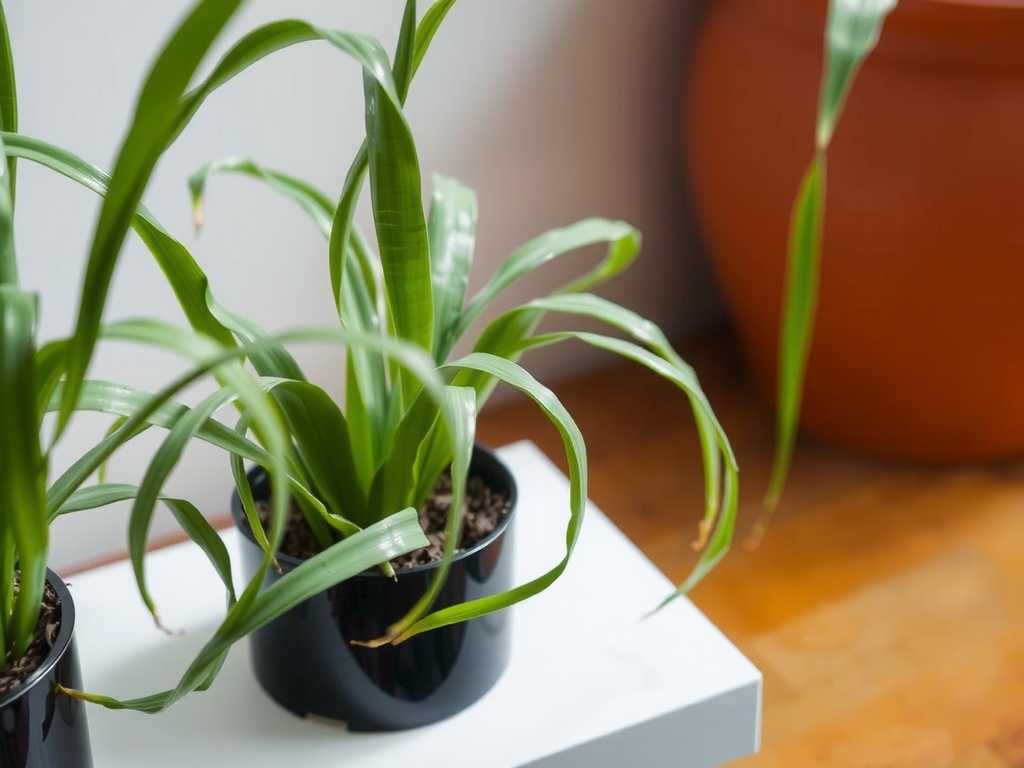
When you separate a spider plant pup from its mother plant, you’re subjecting it to significant stress. Its root system is suddenly reduced, its environment changes, and it must transition from relying on the parent to sustaining itself. This shock manifests through telltale signs: leaves may lose their vibrant green, turning pale or developing brown tips; growth seems to halt completely; or the plant appears limp and dehydrated despite watering. Recognizing this as a normal, yet manageable, part of the process is the first step. The goal of your care regimen is to minimize this shock and create a stable bridge to independent growth.
Immediate Post-Division Steps: The First 48 Hours
The actions you take immediately after division set the foundation for success. Begin by examining the roots of your new division. Gently trim any excessively long, damaged, or blackened roots with sterile scissors. This encourages the growth of fresh, healthy roots better adapted to their new space. Next, choose the right potting medium. A well-draining, airy potting mix is non-negotiable. A standard houseplant mix amended with perlite or orchid bark is ideal. According to horticulturist Dr. Linda Chalker-Scott, a well-aerated substrate prevents waterlogging, which is a primary cause of root failure in new divisions. Pot your division in a container that is snug but not overly large—a pot just 1-2 inches wider than the root ball is perfect to prevent excess soil from staying wet.
The Critical Watering Balance: Hydration Without Harm
Watering is perhaps the most delicate part of spider plant acclimatization precautions. The instinct is to water generously to help the plant settle, but this is a common mistake. After potting, give the soil a thorough but gentle watering until it drains freely from the bottom. This settles the soil around the roots. Then, enter a period of attentive observation. Allow the top inch of the soil to dry out before watering again. The plant’s reduced root system cannot absorb water as quickly, making it highly susceptible to overwatering and rot. Use your finger to test the soil moisture rather than following a strict schedule. Proper drainage from the pot’s holes is absolutely essential to support this careful watering strategy.
Optimizing Light and Environment for Recovery
Light and location are powerful tools for aiding recovery. Place your new spider plant division in a spot with bright, indirect light. Avoid direct sunlight, which can scorch the already stressed leaves and increase water loss. Similarly, keep it away from drafts, heating vents, or air conditioners, as sudden temperature fluctuations add unnecessary stress. A consistent, warm room temperature between 65°F and 75°F (18°C - 24°C) is ideal. Some growers even use a clear plastic bag to tent over the plant for the first week, creating a humid microclimate that reduces moisture loss through the leaves—just be sure to remove it for a few hours daily to prevent fungal issues.
Nutrition and Long-Term Stabilization
Hold off on fertilizing. Your new division has no need for extra nutrients during the initial recovery period, which can last 4-8 weeks. Fertilizer salts can damage tender new roots and complicate the plant’s adjustment. Focus instead on letting it establish a robust root system. After you see consistent new leaf growth—a clear sign of successful acclimatization—you can begin a diluted, balanced feeding routine every 4-6 weeks during the growing season. This patient approach ensures the plant is strong enough to utilize the nutrients effectively.
Monitoring Health and Troubleshooting Setbacks
Vigilant monitoring allows you to catch and correct issues early. Brown, crispy leaf tips often indicate low humidity or fluoride in tap water; using distilled or rainwater can help. Persistent yellowing or mushy leaves are a red flag for overwatering. If you suspect this, check the roots. Soft, brown roots need to be trimmed away, and the plant should be repotted in fresh, dry mix. A complete halt in growth is normal for a few weeks, but if it persists alongside wilting, reassess your light and watering practices. Remember, patience is key. The plant is directing its energy underground, building roots you can’t yet see.
How long should I expect my spider plant division to show signs of new growth? Do not be alarmed if you see no visible growth for the first 3 to 6 weeks. The plant is prioritizing root development. As long as the existing leaves remain firm and mostly green, the plant is acclimating. New leaf growth is the ultimate signal that the acclimatization phase is successfully concluding.
Why are the leaf tips turning brown even though I’m careful with watering? Brown tips on spider plants are frequently related to water quality or humidity, not just watering frequency. These plants are sensitive to chemicals like fluoride and chlorine found in tap water. Switching to filtered, distilled, or rainwater can prevent this issue. Low ambient humidity can also contribute, which can be mitigated by occasional misting or placing the plant on a pebble tray with water.
Can I propagate a spider plant pup directly in water, and does it need the same care? Yes, you can root spider plant pups in water. However, the acclimatization process for divided plants moving from water to soil is another vulnerable transition. When transferring a water-rooted pup to soil, keep the soil consistently moist (but not soggy) for the first 1-2 weeks to help the water-adapted roots adjust to the soil environment, then gradually transition to the standard "dry-out" watering method.
Successfully nurturing a spider plant division requires a shift from active propagation to patient, supportive care. By understanding the stress of acclimatization and implementing these key precautions—mastering the watering balance, providing stable indirect light, and resisting the urge to fertilize too soon—you directly address the core causes of failure. Your reward will be a resilient, established spider plant that carries forward the vitality of its parent, ready to grow and eventually produce its own cascading pups, continuing the cycle of growth in your home.