bluename
 spider plant Pup Propagation from Runners: Cutting Timing and Independent Planting Methods
You’ve nurtured your spider plant, and now it’s rewarding you with a cascade of delicate runners adorned with tiny plantlets, or pups. It’s an exciting sight, but it also brings a wave of questions. When is the right moment to snip that pup from its mother? Can you plant it directly into soil, or is water propagation the only safe bet? Missteps here can lead to rotted cuttings or stunted growth, turning a moment of propagation joy into frustration. Understanding the precise timing and the methods for independent planting is the key to successfully multiplying your spider plant collection.
This guide is designed to demystify the entire process. We will walk through the critical signs that a pup is ready for independence and explore both water and soil propagation methods in detail, ensuring you have the confidence to propagate like a pro.
Understanding Spider Plant Runners and Pups
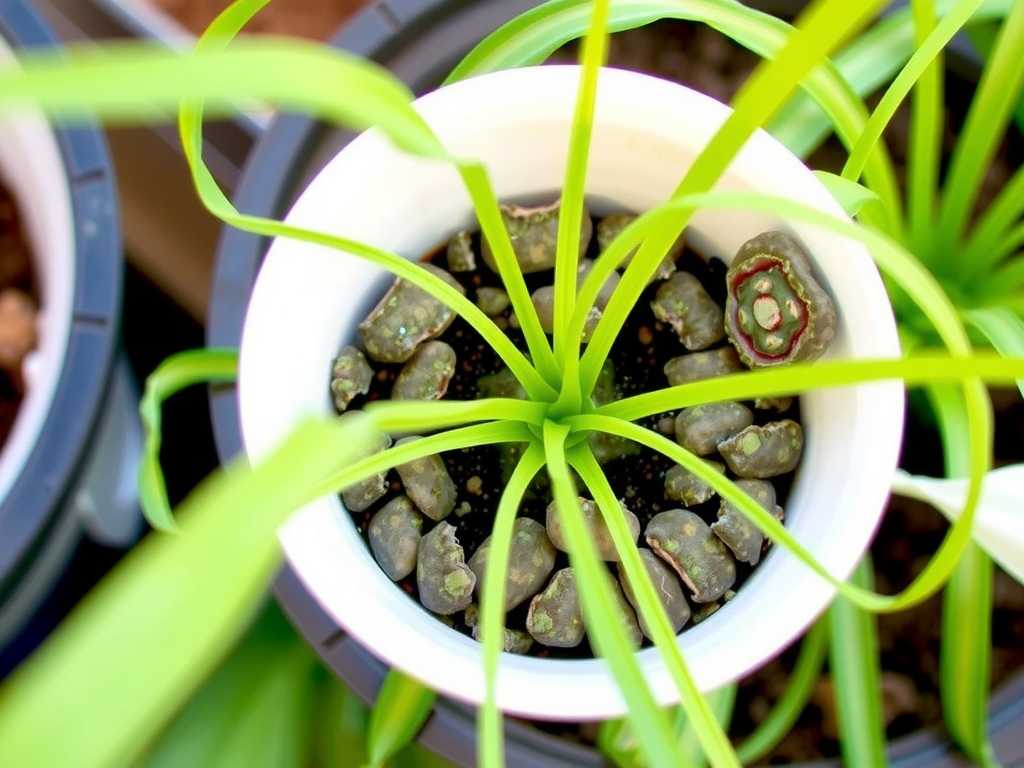
Before making the cut, it’s helpful to know what you’re working with. Those long, arching stems are called stolons or runners. They are the plant’s natural mechanism for vegetative propagation. At the ends or along these runners, the spider plant (Chlorophytum comosum) produces miniature versions of itself—the pups or plantlets.
These pups start as tiny nodules and gradually develop their own root nubs, often visible as small, white bumps at their base. Initially, they are completely dependent on the mother plant for water and nutrients, sent through the runner. Your goal is to separate them at the optimal stage when they have developed enough to survive on their own but are still young and adaptable.
The Critical Question: When to Cut a Spider Plant Pup from the Runner?
Timing is arguably the most crucial factor in successful propagation. Cutting too early can doom the pup because it lacks the root system to sustain itself. Waiting too long can lead to tangled growth or the pup simply exhausting itself while still attached.
Key Signs a Pup is Ready for Propagation
Look for these three clear indicators before you reach for your scissors or pruning shears:
- Size Matters: The pup should have several leaves of its own, typically at least 2-3 inches (5-7.5 cm) in length. It should look like a recognizable, miniature spider plant.
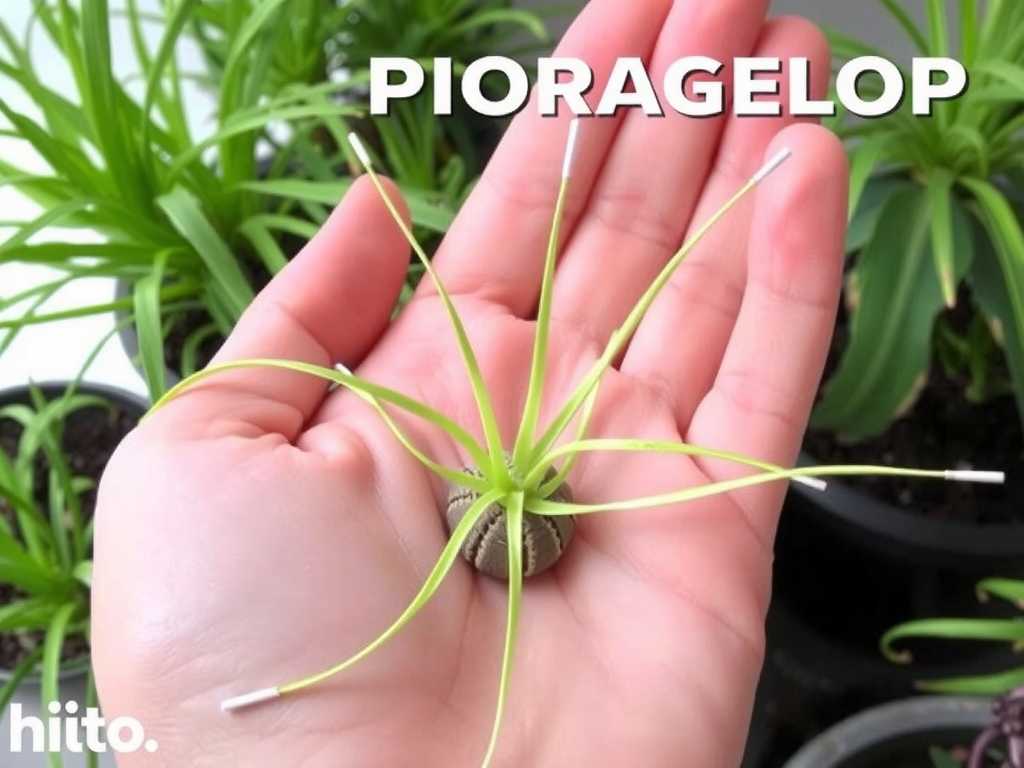
- Root Nubs are Visible: This is the most important sign. Examine the base of the pup closely. You should see the beginnings of roots—small, white, bumpy protrusions. They don’t need to be long, trailing roots, but their presence signals the pup’s biological readiness to absorb water and nutrients independently.
- Overall Vigor: The pup should appear healthy and robust, with firm, green leaves. Avoid propagating pups that look yellowed, wilted, or underdeveloped.
Horticulturist and author Jane Perrone emphasizes this point in her writings on houseplant care: “Propagation success skyrockets when you allow the plantlet to develop its own preliminary root system while still attached. It’s a built-in survival mechanism—wait for those root nubs.”
How to Properly Cut the Spider Plant Pup
Once your pup meets the readiness criteria, the separation process is straightforward.
- Gather Your Tools: Use a clean, sharp pair of scissors, pruning shears, or even a knife. Cleanliness is vital to prevent introducing disease. Wipe blades with rubbing alcohol.
- Make the Cut: Cut the runner (stolon), not the pup itself. Leave about 1-2 inches of the runner attached to the pup. This gives you a “handle” to work with and avoids damaging the delicate base of the plantlet where the roots are forming. You can cut the runner close to the mother plant as well to tidy it up.
Independent Planting Methods for Spider Plant Pups
With your healthy, root-nubbed pup in hand, you have two excellent and reliable methods to choose from. Both are effective, so the choice often comes down to personal preference.
Method 1: Water Propagation for Spider Plant Pups
Water propagation is popular because it allows you to watch the roots grow, which is satisfying and confirms the plant’s progress.
- The Process: Place the base of the pup (with the root nubs and a bit of the attached runner) in a small container of room-temperature water. A shot glass, small jar, or propagation station works perfectly. Ensure only the very base is submerged; do not let the leaves sit in water, as this will cause rot.
- Care and Transition: Place the container in bright, indirect light. Change the water every few days to keep it fresh and oxygenated. Within 1-2 weeks, you should see the root nubs elongating into true, white roots. Wait until the roots are at least 1-2 inches long before considering a move to soil. This method has a near 100% success rate for well-developed pups, according to numerous indoor gardening guides.
Method 2: Direct Soil Propagation for Spider Plant Pups
This method skips the water step and encourages roots to adapt to their permanent environment from the start.
- Potting Mix and Container: Use a well-draining, lightweight potting mix. A standard houseplant mix amended with a handful of perlite is ideal. Choose a small pot (3-4 inches) with drainage holes.
- The Planting Technique: Make a small hole in the pre-moistened potting mix. Place the base of the pup in the hole, ensuring the root nubs are in contact with the soil. Gently firm the soil around it. The crown of the plant (where leaves meet the base) should be level with or just above the soil surface.
- Initial Care is Key: Water the newly planted pup lightly to settle the soil. For the first 1-2 weeks, keep the soil consistently lightly moist (not soggy) to encourage root growth. Place the pot in a warm location with bright, indirect light. You can create a mini-greenhouse effect by placing a clear plastic bag loosely over the pot to maintain humidity, but this is often not necessary for spider plants.
Troubleshooting Common Propagation Issues
Even with perfect timing, sometimes pups struggle. Here’s how to course-correct:
- Pup is Wilting After Planting: This is often due to transplant shock or underwatering. Ensure the soil is lightly moist and move the plant to a location with stable, indirect light. A humidity dome (like a plastic bag) can help for a few days.
- Root Rot in Water or Soil: This is usually caused by leaves being submerged in water or soil that is kept too wet. In water, keep leaves dry. In soil, let the top inch dry out slightly between waterings once the plant is established.
- No Root Growth: If a pup in water shows no progress after 3 weeks, it may have been cut too early. Try switching to the soil method, as some plants simply root better in a solid medium.
How long does it take for a spider plant pup to root in water? You can typically expect to see visible root growth from the white nubs within 7 to 14 days in fresh water placed in bright, indirect light. The roots are usually ready for soil once they reach 1-2 inches in length, which may take another week or two.
Can I plant a spider plant pup without any roots directly in soil? While it is possible, it is less reliable and not recommended. Pups without visible root nubs lack the specialized cells to efficiently absorb water and are far more prone to failure. The stress often causes them to wilt and die before they can establish. Always wait for those initial root bumps to appear.
Should I remove all the runners from my mother spider plant? No, you do not need to remove all runners. You can selectively harvest only the mature pups you wish to propagate. Leaving some pups on the runner does not harm the mother plant, and they can create a beautiful, cascading display. However, producing many runners and pups does consume energy, so if your mother plant seems stressed, removing some runners can help it redirect energy to its own foliage.
Successfully propagating spider plant pups hinges on observing the simple signs of readiness—size, vigor, and those crucial root nubs. Whether you choose the transparent journey of water propagation or the direct approach of planting in soil, both methods lead to the same rewarding destination: a new, independent plant. By providing the right initial care of consistent moisture and bright light, your tiny pup will quickly establish itself, ready to grow and eventually produce runners of its own, continuing the delightful cycle of growth and sharing.