bluename
 spider plant Tissue Culture: Simple Steps for Home-Style Aseptic Propagation
Have you ever admired the lush, cascading beauty of a variegated spider plant and wished you could multiply your prized specimen perfectly, creating dozens of identical, disease-free copies? Traditional methods like rooting plantlets in water or soil can be slow, messy, and risk transferring pests or diseases. For the passionate home gardener or plant enthusiast seeking precision, efficiency, and a touch of scientific wonder, there is a superior method: Spider Plant tissue culture. This guide demystifies this advanced propagation technique, breaking it down into simple, actionable steps you can perform in a simplified home-style setup. We will move beyond the lab-grade complexity and focus on practical, aseptic propagation methods that prioritize cleanliness and success.
Why Choose Tissue Culture for Your Spider Plants?
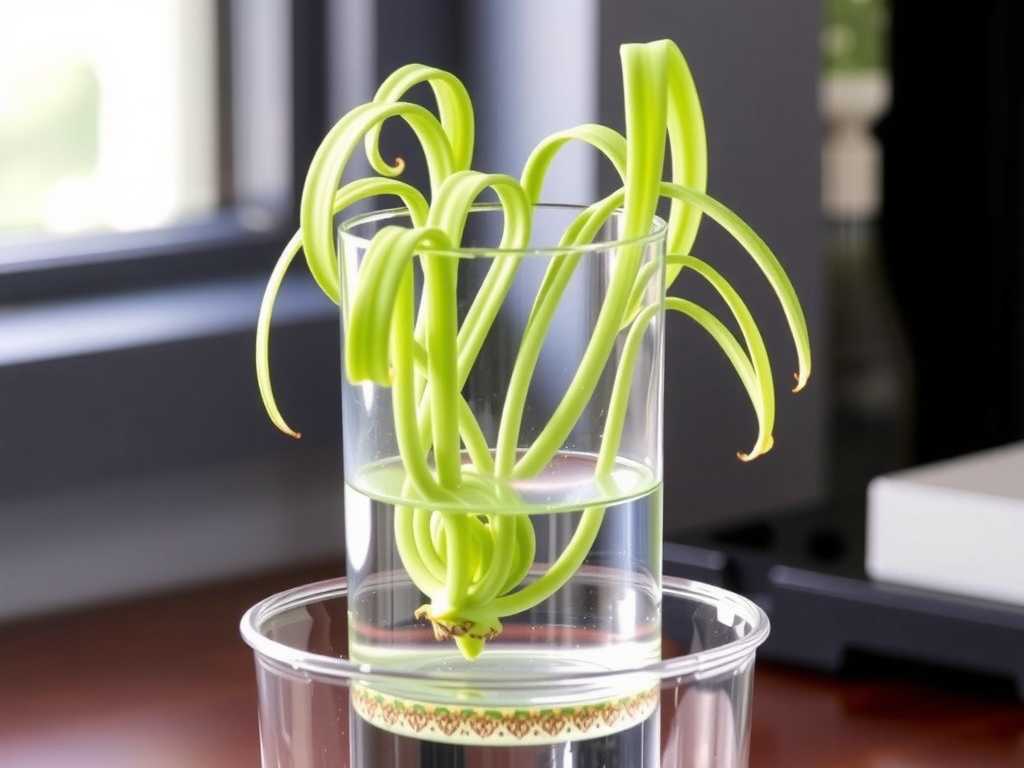
Tissue culture, or micropropagation, is the process of growing new plants from tiny tissue samples in a sterile, controlled environment. For spider plants (Chlorophytum comosum), which naturally produce stoloniferous plantlets, this method offers remarkable advantages. Dr. Eleanor Vance, a horticultural biotechnologist, notes, "Micropropagation allows for the rapid multiplication of genetically identical, pathogen-free plants, which is invaluable for preserving specific cultivars like the 'Vittatum' or 'Bonnie' that might not come true from seed." This means you can preserve the exact variegation pattern of your favorite spider plant every single time.
The core benefits are clear:
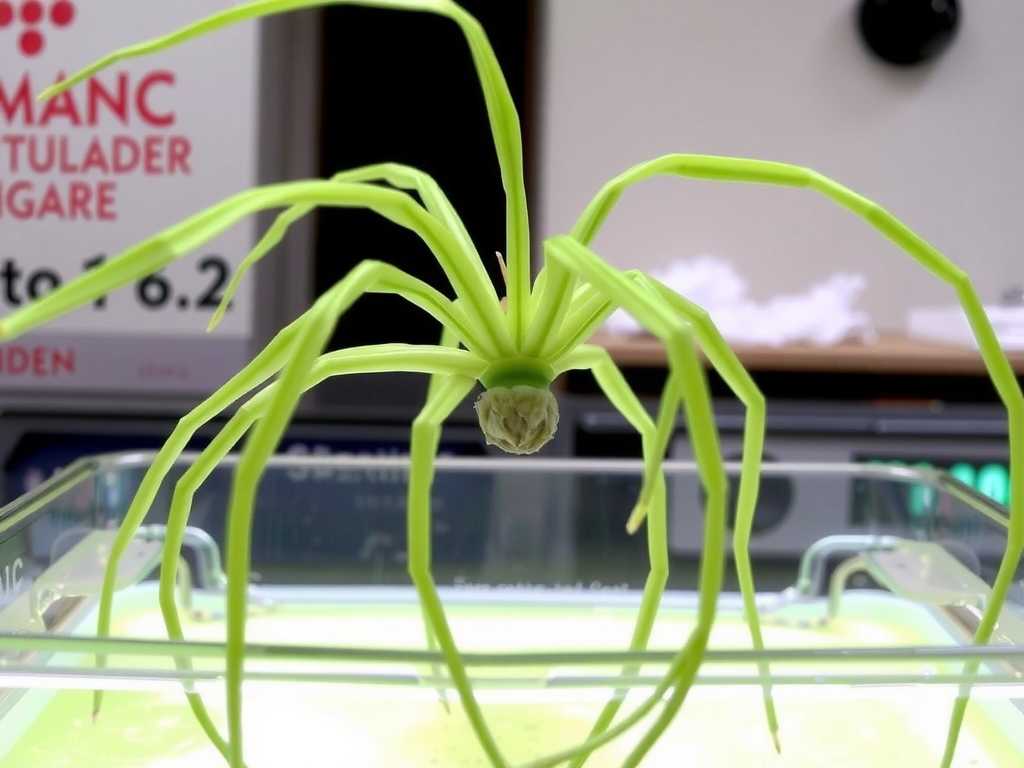
- Mass Multiplication: From a single node or plantlet, you can produce hundreds of new plants in a fraction of the time it takes traditional methods.
- Disease Elimination: The aseptic laboratory techniques employed ensure your new plant starts are free from viruses, fungi, and bacteria that often lurk in soil.
- Year-Round Propagation: You are not limited by seasons. With a basic setup, you can propagate spider plants indoors anytime.
- Space Efficiency: Dozens of plants can be initiated in tiny containers on a single shelf.
Gathering Your Simplified Home Lab Equipment
You don't need a full laboratory. The goal is to create a clean workspace that minimizes contamination. Here’s what you’ll need for your home plant tissue culture project:
- Clean Workspace: A still air box (a clear plastic storage box with armholes) or a very clean, draft-free room surface wiped down with 70% isopropyl alcohol.
- Sterilization Agents: 70% isopropyl alcohol (for surfaces and tools), a mild bleach solution or commercial plant sterilization solution.
- Tools: Sharp scalpels or razor blades, fine-tipped forceps. All tools must be sterilized by flame or alcohol between each use.
- Culture Vessels: Small glass jars, baby food jars, or even clear plastic containers with lids. They must be sterilized in boiling water or a dishwasher.
- Growing Medium: A pre-mixed agar medium suitable for plant propagation, available from specialty online retailers, or a simplified DIY mix using Murashige and Skoog (MS) salts, sugar, and agar.
- Plant Material: Healthy, vigorous spider plant plantlets or sections from stolons (runners).
A Step-by-Step Guide to Aseptic Spider Plant Micropropagation
This process focuses on maintaining sterility at every stage. Patience and meticulousness are your greatest tools.
Step 1: Preparation and Sterilization of the Medium Prepare your nutrient agar according to package instructions. Typically, you will heat the mixture with water until clear, then carefully pour it into your clean culture vessels to a depth of about 1-2 cm. Close the lids loosely, allow them to cool and solidify, then tighten the lids. This medium provides all the nutrients and hormones the tiny plant tissue needs to grow.
Step 2: Selecting and Sterilizing Your Explant The "explant" is the small piece of plant tissue you will culture. For spider plants, the best explants are the small nodes or "baby" plantlets from the stolons. Using sterilized tools, snip off a plantlet.
- Rinse it gently under tap water to remove loose dirt.
- Immerse it in a sterilizing solution (e.g., a 10% bleach solution with a drop of mild detergent) for 5-10 minutes, agitating gently.
- In your sterile workspace, transfer the explant to a sterile water rinse to remove any bleach residue. This step is critical for successful sterile plant propagation.
Step 3: Inoculation in the Sterile Environment This is the most critical phase for preventing contamination. Work inside your prepared still-air box after wiping everything down with alcohol.
- Flame-sterilize your forceps and scalpel and let them cool.
- Carefully open your jar of solidified agar.
- Use the tools to place the sterilized spider plant explant onto the surface of the agar. You may slice a very small piece of the node if the plantlet is too large.
- Quickly but securely close the lid. The explant is now "inoculated."
Step 4: The Incubation and Growth Phase Place your sealed culture jars in a warm location (around 70-75°F or 21-24°C) with indirect light or under standard fluorescent or LED grow lights. Avoid direct sun, which can overheat the jars. Over the next 4-8 weeks, you should observe growth. The tissue may form a callus (a mass of cells) or directly produce tiny shoots and roots. The sealed environment maintains humidity, so no watering is needed.
Step 5: Transplanting and Acclimatization Once your micro-plants have developed several leaves and small roots, they must be carefully transitioned to the outside world—a process called acclimatization.
- Gently remove the plantlets from the agar and rinse the medium off the roots with lukewarm water.
- Plant them in a small pot with a sterile, well-draining potting mix (a mix of peat and perlite is ideal).
- Cover the pot with a clear plastic bag or dome to maintain high humidity for the first week.
- Gradually open the cover over 1-2 weeks to slowly reduce humidity, allowing the plants to adapt to normal room conditions before treating them as mature spider plants.
Essential Tips for Maintaining a Contamination-Free Process
Contamination by mold or bacteria is the most common reason for failure. It appears as fuzzy growth or slimy films on the agar, not originating from your plant tissue.
- Work Quickly and Methodically: Minimize the time containers are open.
- Sterilize, Then Sterilize Again: Consistently re-sterilize tools between each explant.
- Start with More: Inoculate more jars than you need, anticipating some loss.
- Identify and Isolate: At the first sign of contamination in a jar, remove it from your growing area immediately.
Frequently Asked Questions
Is spider plant tissue culture really feasible at home without a lab? Yes, absolutely. While commercial labs use sophisticated flow hoods and autoclaves, the core principles of sterility can be adapted. Using a still air box, proper sterilization techniques for tools and explants, and pre-mixed media makes home-based micropropagation a rewarding and achievable project for dedicated hobbyists.
What is the most common mistake beginners make? Rushing the sterilization process. Compromising on the cleanliness of the explant, tools, or work surface almost guarantees contamination. Taking your time during the sterilization and inoculation steps is the single biggest factor for success.
How long does the entire process take from start to a potted plant? From initial setup to having a hardened-off plant in soil, expect a timeline of 3 to 4 months. The incubation phase alone can take 6-8 weeks before plants are ready for transplant. The reward is the potential for dozens of plants from a single effort, making the initial time investment highly worthwhile.
Embracing spider plant tissue culture opens a new dimension in plant propagation, merging the joy of gardening with the precision of science. By setting up a simple clean workspace, meticulously following sterilization protocols, and patiently nurturing your cultures, you can unlock the ability to clone your healthiest, most beautiful spider plants indefinitely. This method not only solves the problems of slow multiplication and disease transfer but also provides a deeply satisfying, educational experience that elevates your gardening skills. Start small, be patient with the process, and soon you’ll be sharing perfect, laboratory-quality spider plants with all your friends.