bluename
 The Ultimate Guide to spider plant Propagation Soil: Why Loose, Fertilizer-Free Mix is Non-Negotiable
You’ve carefully snipped a healthy spiderette from your lush mother plant, placed it in water, and watched with joy as delicate roots began to emerge. Filled with hope, you transplant it into a pot of standard potting soil, expecting it to thrive. Weeks later, your excitement turns to confusion. The vibrant green fades, growth stalls, or worse, the base turns mushy. Sound familiar? This common frustration often stems from one critical, overlooked factor: the soil. For spider plant propagation, the wrong soil doesn’t just slow growth—it can doom your new plant from the start.
The secret to consistently successful spider plant propagation lies not in a green thumb, but in understanding the unique needs of those tender new roots. The ideal medium is starkly different from what you’d use for an established plant. This guide will demystify the perfect spider plant propagation soil selection, focusing on a loose and fertilizer-free seedling soil formula that ensures your spiderettes transform into robust, independent plants.
Understanding Spider Plant Pup Roots: Delicate Beginnings Demand Special Care
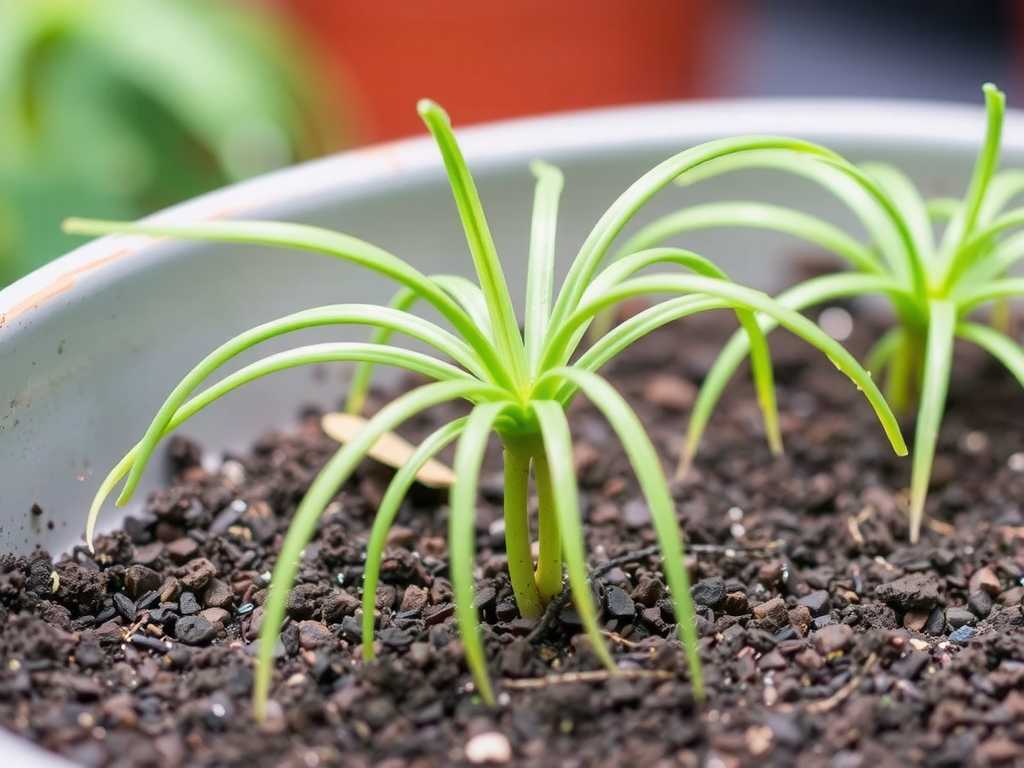
Spider plant pups, or spiderettes, develop two distinct root types. Initially, they may form water roots in propagation. When moved to soil, they must transition to developing terrestrial roots. These nascent roots are incredibly fragile and highly susceptible to stress from compacted soil, moisture imbalance, and chemical burns.
A dense, moisture-retentive standard potting mix creates a suffocating environment. It limits oxygen flow, crucial for root respiration and growth, and holds too much water around the delicate stems, inviting root rot pathogens. Furthermore, these young roots are not ready to process the concentrated nutrients found in pre-fertilized potting soils. The salts in fertilizers can actually draw moisture out of the roots (a process called osmotic stress), causing dehydration and burn, stunting or killing the plant before it even begins.
This is why the principles of loose soil for spider plant babies and a fertilizer-free start for spiderettes are not just suggestions—they are foundational to propagation success.
Deconstructing the Perfect Formula: Loose and Fertilizer-Free
The goal is to create an airy, well-draining, and inert medium that provides physical support, consistent (but not excessive) moisture, and allows roots to explore and establish without obstacle or chemical threat. Let’s build the ideal seedling soil mix for chlorophytum comosum from the ground up.
The Core Components of Your Propagation Mix
A simple, effective formula relies on three key ingredients:
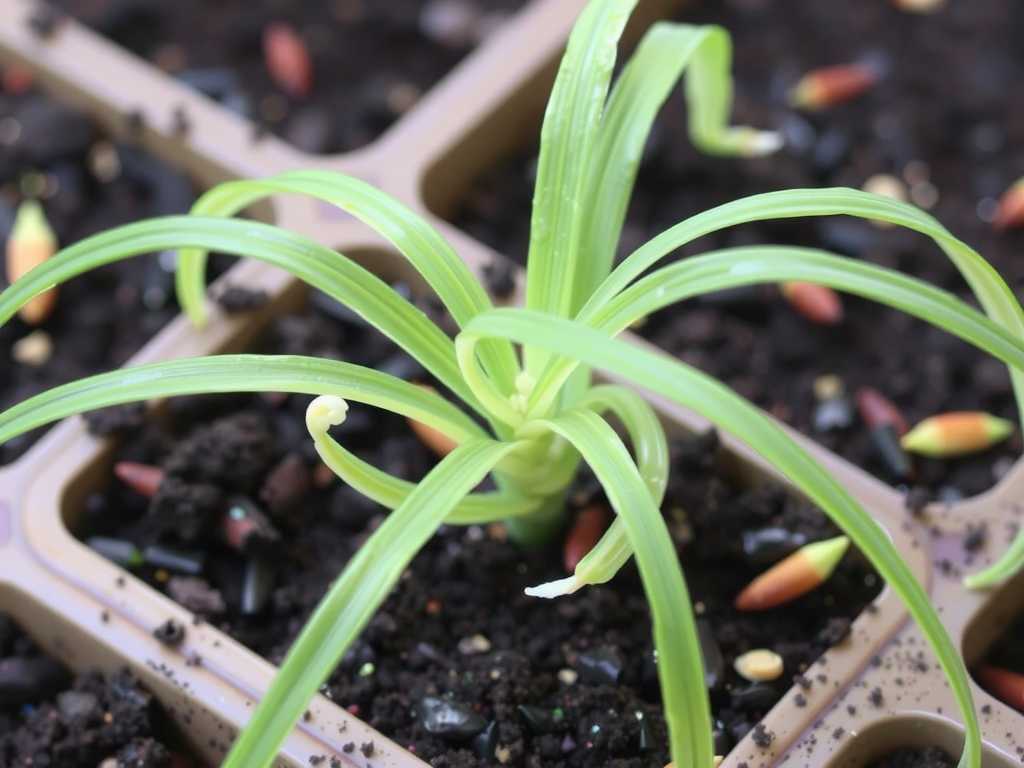
- Peat Moss or Coco Coir (40%): This acts as the moisture-retentive base. Coco coir is an excellent sustainable alternative to peat moss; it rewets more easily and has a near-neutral pH. Its job is to hold just enough water to keep roots slightly damp.
- Perlite (40%): This is the non-negotiable component for creating looseness. These white, porous particles create essential air pockets within the soil structure, ensuring drainage and preventing compaction. This oxygen availability is critical for healthy root development and preventing rot.
- Coarse Horticultural Sand or Fine Orchid Bark (20%): This adds weight for stability and further improves drainage and texture. Sand keeps the mix loose and gritty, while fine bark chips add aeration and mimic a natural, well-draining environment.
Thoroughly mix these components while dry. The final texture should be light, fluffy, and fall apart easily when squeezed, not clump together.
Why "Fertilizer-Free" is a Feature, Not a Flaw
Insisting on a fertilizer-free potting mix for young spider plants is a proactive strategy. The energy for initial root and leaf growth is entirely supplied by the pup itself and the photosynthesis it performs. Its primary need is water and oxygen, not nutrients.
Introducing fertilizer at this stage is like force-feeding a newborn a steak—their system simply can’t handle it. According to horticulture experts like those at the University of Illinois Extension, seedling roots are adapted to absorb water efficiently, making them particularly vulnerable to salt injury from fertilizers. By using an inert mix, you allow the plant to establish a strong root system on its own terms. Nutrition comes later, and only when the plant is actively growing in its permanent pot.
Step-by-Step: Propagating with Your Custom Soil Mix
- Prepare Your Pot and Mix: Select a small pot (3-4 inches) with ample drainage holes. Fill it with your pre-moistened loose and fertilizer-free seedling soil formula. Moisten the mix until it feels like a wrung-out sponge—damp, not dripping.
- Plant the Pup: Create a small hole in the center. Gently place the rooted spiderette into the hole, ensuring the root zone is in contact with the soil. Lightly firm the soil around the base for support, but avoid compressing it.
- The Critical First Weeks: Place the pot in bright, indirect light. Water only when the top inch of the soil feels dry to the touch. The key is to maintain slight, even moisture without sogginess. Your loose mix will make this easy to manage.
- Transition to Regular Care: After 4-6 weeks, when you notice significant new top growth (a sign of established roots), you can consider your propagation a success. At this point, you can begin to fertilize very sparingly with a diluted, balanced liquid fertilizer, or repot into a slightly richer (but still well-draining) standard mix if desired.
Common Pitfalls and How Your Soil Choice Avoids Them
- Root Rot: Caused by waterlogged, oxygen-starved soil. The high perlite and sand content in our formula ensures excess water drains away instantly, while the loose structure holds ample oxygen.
- Stunted Growth: Often a result of compacted soil restricting root expansion or fertilizer burn damaging root tips. The airy soil for spider plant propagation eliminates physical barriers, and the absence of fertilizer removes the chemical threat.
- Failure to Thrive Post-Transition: Pups that struggle after moving from water to soil often fail because of density shock. A loose, open mix provides a more hospitable intermediate environment than dense garden soil.
Frequently Asked Questions
Can I use succulent soil for spider plant pups? Succulent mix is a good starting point due to its excellent drainage, but it can sometimes be too arid and may contain some fertilizer. For optimal results, you can modify a succulent mix by adding extra perlite and ensuring it’s a fertilizer-free variety to create the perfect lightweight medium for spider plant offsets.
When should I first fertilize my propagated spider plant? Wait at least 2-3 months, or until the plant has visibly doubled in size and is producing new runners. When you do start, use a quarter-strength dose of a balanced liquid fertilizer every 4-6 weeks during the growing season. The initial period in nutrient-free soil for propagation ensures the roots are robust enough to handle it.
My mix dries out very quickly. Is that a problem? Rapid drying is a sign of a very loose, well-aerated mix—which is good! It’s far easier to water a slightly dry plant than to rescue one from root rot. You may need to water a bit more frequently initially, but this encourages the roots to grow actively in search of moisture, leading to a stronger system. Consistency is key; check the soil every few days.
Propagating spider plants should be a rewarding and successful endeavor. By prioritizing the specific needs of those fragile new roots—specifically, an environment that maximizes oxygen and minimizes stress—you turn chance into certainty. Embracing a simple, loose and fertilizer-free seedling soil formula is the most impactful decision you can make. It provides the foundational support that allows your spider plant pups to channel their energy into building a powerful root network, setting the stage for a lifetime of vigorous growth and, soon, the production of their own spiderettes.