bluename
 spider plant Propagation Light Control: Rooting Speed in Partial Shade Environment
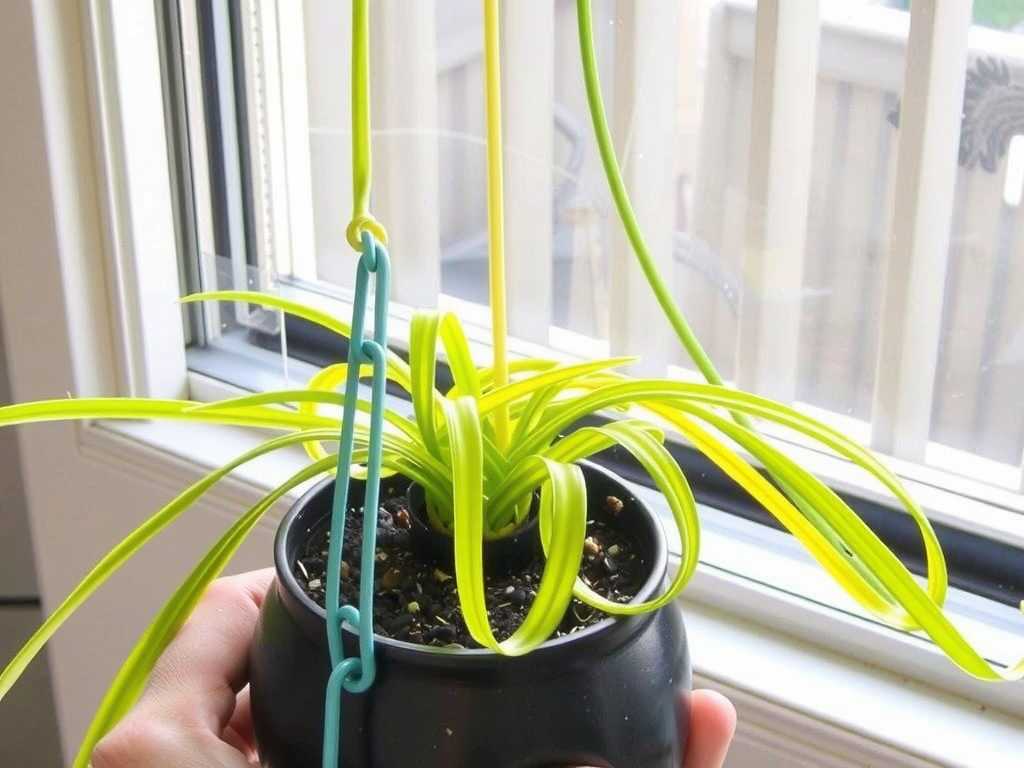
You've carefully placed your spider plant babies in water or soil, eagerly awaiting those first signs of new roots. Weeks pass, and progress seems agonizingly slow. The leaves might even look a little less vibrant. The culprit often isn't your care—it's the light. Finding the perfect balance of illumination for propagation is tricky. Too much direct sun scorches tender cuttings, while too little leaves them languishing. This guide cuts through the guesswork, focusing specifically on how spider plant propagation light control directly influences rooting speed, especially in the gentle embrace of a partial shade environment.
Understanding this relationship is the key to faster, healthier root development and more successful propagation overall.
The Science of Light and Root Initiation
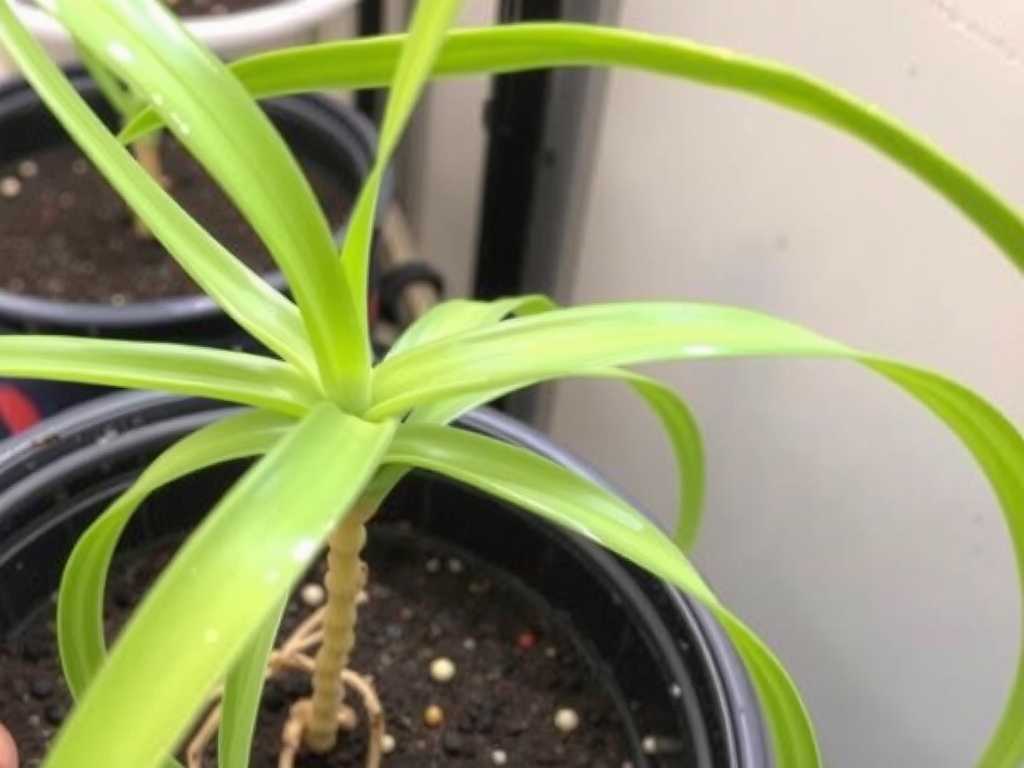
Light is not merely an energy source for photosynthesis during propagation; it's a critical environmental signal. For a spider plant cutting (or pup), the primary goal is not to grow new leaves but to establish a root system for water and nutrient uptake. The process of root initiation, or rhizogenesis, is highly sensitive to light quality, duration, and intensity.
Photosynthesis in cuttings is limited due to the lack of roots, making them reliant on stored energy reserves. The role of light at this stage is to provide just enough energy to sustain the cutting without diverting precious resources away from root formation. Excessive light intensity can increase transpiration (water loss) and cause oxidative stress, forcing the cutting to focus on repair rather than growth. Conversely, insufficient light leads to etiolation—weak, elongated growth as the plant searches for light—and depletes energy stores without providing the signal to root.
A study published in the Journal of Horticultural Science & Biotechnology noted that for many herbaceous cuttings, moderate light levels promote better root formation than either very high or very low light. This creates the ideal premise for utilizing a partial shade environment for spider plant propagation.
Defining the "Partial Shade" Sweet Spot for Propagation
What exactly do we mean by "partial shade" in a propagation context? It's not a dark corner. For spider plants, a partial shade environment typically means receiving bright, indirect light for most of the day, or perhaps a few hours of gentle morning sun followed by shade.
- Ideal Intensity: This translates to a light intensity of approximately 1,000 to 2,500 foot-candles (10,000 to 25,000 lux). You can measure this with a light meter app, but a simple test is the shadow test: in your proposed spot, your hand should cast a soft, fuzzy-edged shadow.
- Duration: Consistent, gentle light for 10-12 hours is superior to short bursts of intense light. This steady supply supports minimal photosynthesis without stress.
- Quality: Natural, filtered light from a north or east-facing window is often perfect. Sheer curtains are excellent tools for creating an artificial partial shade environment on brighter windowsills.
This specific condition is the cornerstone of effective spider plant propagation light control. It provides the energy needed to keep the chlorophyll active and the cutting healthy, while the lower intensity signals to the plant that it is in an understory environment—a natural cue that encourages it to invest in root growth to better compete for resources.
How Controlled Light Accelerates Rooting Speed
Implementing proper light control does more than just prevent damage; it actively enhances rooting speed for spider plants. Here’s how the mechanics work:
- Optimized Resource Allocation: In partial shade, the cutting experiences less water stress and lower photosynthetic rates. This balance allows it to dedicate a higher proportion of its stored carbohydrates and auxins (rooting hormones) specifically to the development of root initials at the node sites, rather than to maintaining high leaf function or repairing sun damage.
- Reduced Transpiration Stress: High light increases water loss through leaves. A cutting without roots has no way to replace this water, leading to wilting and cell damage. The moderate light of partial shade minimizes transpiration, keeping the cutting turgid and its cellular processes running smoothly for root formation.
- Stable Hormonal Balance: Light influences hormone distribution. The mild stress of being detached, combined with the stable, low-stress light environment, helps maintain an optimal concentration of auxin at the cut end, which is the direct stimulus for root cell division and elongation.
In practice, you will observe that spider plant pups propagated in consistent partial shade often show visible root nubs sooner—sometimes within 7-10 days in water—and develop a denser, more robust root system compared to those in variable or incorrect light.
Step-by-Step Propagation Guide with Light Control
Let's apply this theory. Whether you root in water or soil, light control is your most important variable after moisture.
Method 1: Water Propagation in Partial Shade
- Step 1: Select healthy pups with visible node bumps.
- Step 2: Place them in a clear container with only the nodes submerged. Use opaque glass or place the container inside an outer vase to limit light exposure to the roots, which prefer darkness.
- Step 3: Position the setup in a bright room, but away from the direct window pane. A spot 3-5 feet back from an east-facing window is ideal. This creates the perfect partial shade environment for rooting spider plant cuttings.
- Step 4: Change water weekly. Observe how roots develop faster and remain firmer and white (a sign of health) compared to cuttings in direct light, where roots can turn green and slimy.
Method 2: Soil Propagation with Light Management
- Step 1: Plant pups in a moist, well-draining mix in a small pot.
- Step 2: This is critical: place the pot in the same partial shade environment as for water propagation. The goal is identical—to provide energy without stress.
- Step 3: Cover the pot with a clear plastic bag or dome to create a humid microclimate, which further reduces water loss. Ensure this mini-greenhouse is also in partial shade, or the magnified light can "cook" the cutting.
- Step 4: Keep the soil lightly moist. Roots typically establish in 2-3 weeks, after which you can gradually increase light exposure.
Common Mistakes in Light Management During Propagation
Even experienced plant parents can stumble. Avoid these pitfalls to ensure your light control for faster spider plant roots is effective.
- The "Windowsill Fallacy": Placing a propagation jar on a sunny south-facing windowsill. The intense light and heat can overheat the water, damage the cutting, and promote algae growth, all of which hinder rooting.
- Inconsistent Light: Moving cuttings from a dark room to a bright patio disrupts their adaptation and stresses them. Choose a spot and leave them there.
- Neglecting Seasonal Changes: The partial shade of a west window in winter might become a scorching hotspot in summer. Be prepared to adjust placement seasonally.
- Forgetting About Soil Propagations: It's easy to remember light for water props, but soil-propagated cuttings need the same careful partial shade environment for spider plant propagation.
FAQ: Your Light and Propagation Questions Answered
Does the type of light (natural vs. artificial) matter for propagation? Not significantly, as long as you can replicate the intensity and duration. A broad-spectrum LED grow light placed 12-18 inches above the cuttings, set on a 12-hour timer, can create an excellent and consistent partial shade environment, especially in darker homes. The key is controllability.
My spider plant pup has roots, but they seem slow to grow longer. Is it still a light issue? Once initial roots (1-2 inches) have formed, the cutting's needs shift slightly. It can now take up water and is ready to support more growth. At this stage, you can gradually increase light exposure to encourage stronger root and leaf development. A sudden move to bright light, however, can still cause shock.
Can I propagate spider plants in full shade or low light? You can, but it will drastically slow the process. In very low light, the cutting will use its energy reserves just to stay alive, with little left to power root development. The roots that do form may be sparse and weak. For reliable speed and health, the bright, indirect light of partial shade is non-negotiable.
Mastering spider plant propagation light control is less about finding a single perfect spot and more about understanding and maintaining a stable, gentle environment. By prioritizing a consistent partial shade setting, you work in harmony with the plant's natural biology, reducing stress and channeling its energy into one primary task: building a strong foundation. This approach not only accelerates rooting speed but also results in more resilient plantlets ready to thrive in their new pots. Observe your plants, trust the principles of moderate light, and you'll transform propagation from a waiting game into a predictable, successful practice.