bluename
 spider plant Watering in Winter: Specific Water Volume for "Less but Thorough" Watering
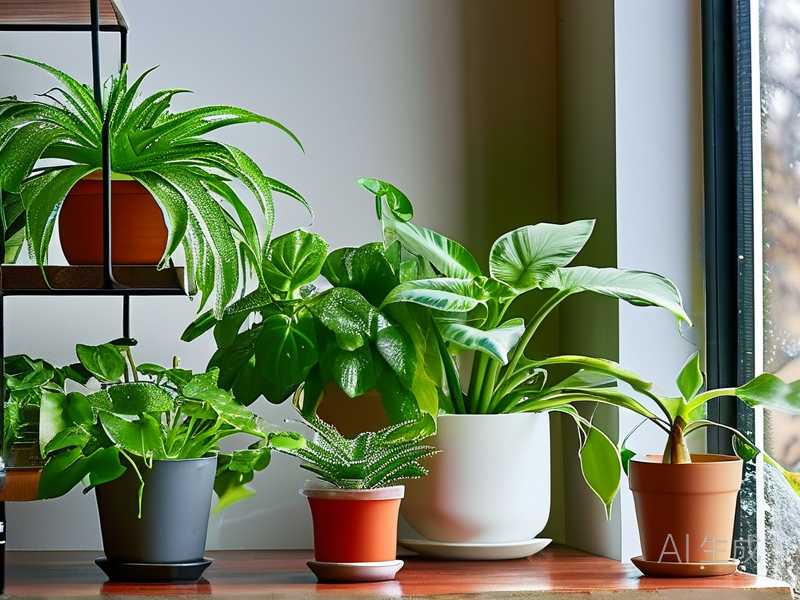
Winter is here, and my spider plants are looking at me differently. The vibrant growth of summer has slowed, and I’ve noticed the soil staying damp for what feels like forever. I realized my usual watering routine was now a threat. The core challenge became clear: how do I practice the advised "less but thorough" watering in winter with a specific water volume? Guessing felt risky. Overwatering is the silent killer of houseplants in the cold months, and I was determined to crack the code for my Chlorophytum comosum.
This quest wasn't just about saving my plants; it was about transforming uncertainty into a simple, repeatable action. I embarked on a two-week experiment to move beyond the vague "less" and define the "thorough" with measurable, winter-appropriate amounts.
Why "Less but Thorough" is Non-Negotiable in Winter
First, let's understand the "why." Spider plants enter a state of reduced metabolic activity during winter due to lower light levels and cooler temperatures. Their roots absorb water much more slowly. According to the Royal Horticultural Society (RHS), overwatering in winter is the most common cause of houseplant demise, as waterlogged soil suffocates roots, leading to rot.
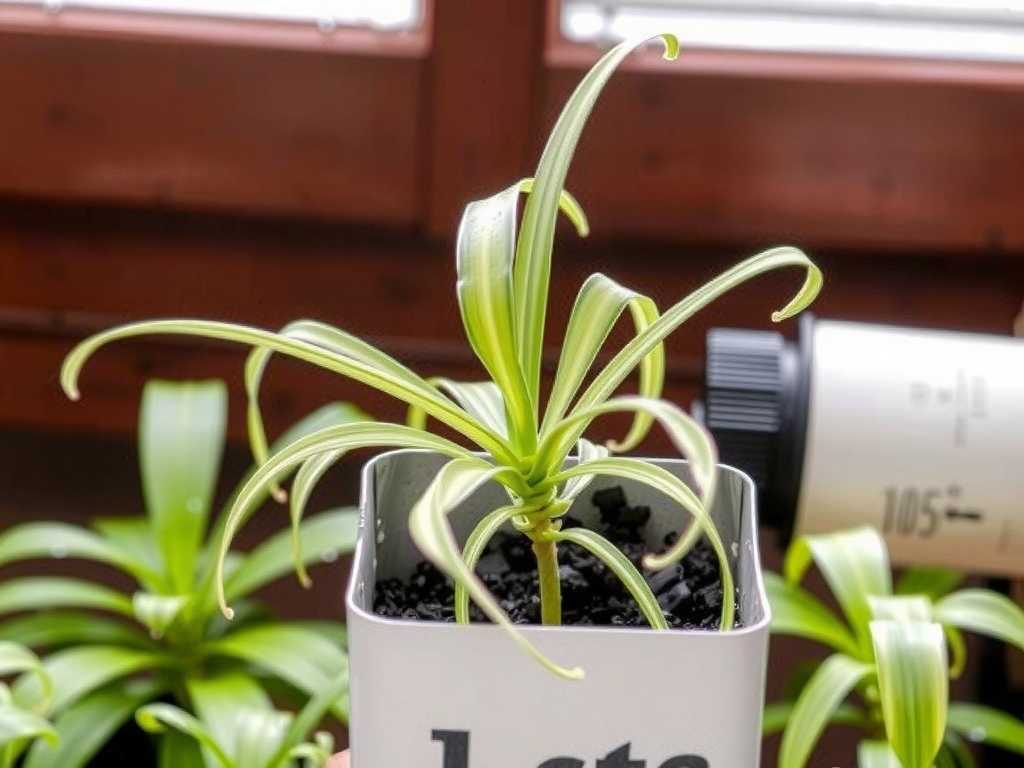
The "less but thorough" method is the golden rule. It means watering less frequently, but when you do, ensuring the entire root ball gets moistened. This encourages roots to grow downward seeking moisture, promoting a healthier, more resilient plant. The paradox for me was: how much water actually achieves this "thorough" soak without leaving the pot soggy for weeks?
My Two-Week Experiment: From Guesswork to Precision
I selected three mature spider plants in standard 6-inch plastic pots with drainage holes. My goal was to establish a specific water volume for winter watering that would be effective and safe.
Week 1: Establishing a Baseline and The First Mistake
I started with what I thought was a conservative approach. For my first plant, I gave it 100ml of room-temperature water, pouring it slowly over the soil surface. I monitored it for 48 hours. Using a moisture meter, I found only the top inch was moist; the bottom half of the pot remained bone dry. This wasn't "thorough" at all. I had committed the error of "light sprinkling," which only wets the surface and encourages weak, shallow roots.
For the second plant, I corrected course. I took it to the sink and gave it what I’d typically give in summer—a full drench until water ran freely from the drainage holes. This amounted to roughly 350ml. This was my major "winter watering mistake." A week later, the pot was still heavy, and the moisture meter read "wet" at the root level. The plant showed no new growth and the tips of a few leaves began browning—a classic sign of stress from soggy soil.
Week 2: Finding the Goldilocks Zone
Armed with data, I aimed for the middle ground. For the third plant, I calculated a volume based on pot size. A common guideline from the American Horticultural Society (AHS) suggests using about one-quarter to one-third of the pot's volume for a thorough winter watering. My 6-inch pot held approximately 1.2 liters of soil.
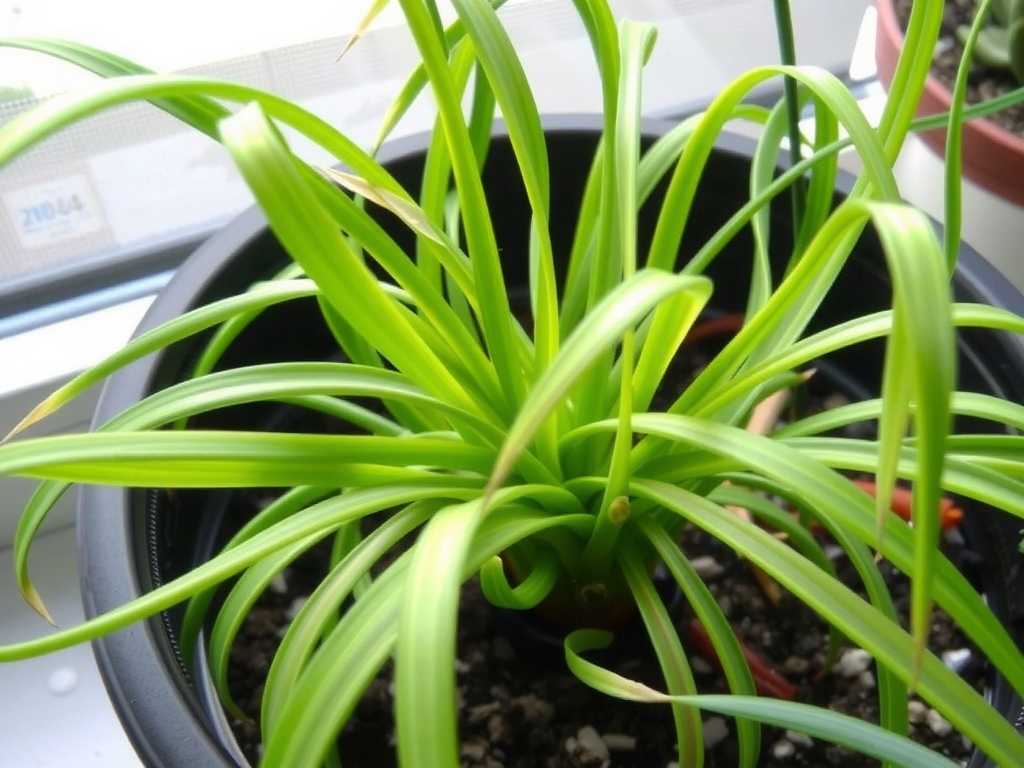
- My Specific Water Volume Formula: I settled on 25% of the pot's volume. 25% of 1,200ml is 300ml.
- The Application: I placed the pot in a shallow bowl. I slowly poured 300ml of room-temperature water evenly over the soil, pausing to let it absorb. I did not water to the point of runoff. After 15 minutes, I checked the bowl—only about 20ml had collected, meaning the soil absorbed 280ml.
- The Result: After 24 hours, a moisture meter check showed perfect "moist" readings from top to bottom. The pot felt lighter than the overwatered one but not desiccated. This was the "less but thorough" ideal.
I applied this 300ml volume to the first two plants at the end of their observation week. The under-watered one perked up visibly within two days. For the overwatered one, I withheld all water until the meter read "dry" at the halfway point, which took a full 14 days, confirming how slow evaporation is in winter.
The Practical Guide: Your Step-by-Step Winter Watering Protocol
Based on my experiment, here is the actionable system I now follow.
- Check, Don't Schedule: Forget watering on a set day. Before even thinking about water, perform the finger test. Insert your finger 2 inches into the soil. If it feels dry, proceed. If moist, wait. In my winter home (around 68°F/20°C), this interval was consistently 14-18 days.
- Calculate Your Volume: Estimate your pot's soil volume. For a standard pot, a quick formula is: Pot Volume in ml ≈ (Height in cm x π x (Radius in cm)²). For simplicity, use the 25% rule: For a 6-inch pot, use 250-300ml; for an 8-inch pot, use 400-500ml. This is your specific water volume for winter watering.
- Water Slowly and Evenly: Pour your measured amount slowly around the base of the plant, avoiding the crown. Let the water soak in. Using a tray to catch minimal runoff helps you see how much is absorbed.
- Observe and Adapt: The 25% rule is a starting point. Factors like soil mix (I use a well-draining mix with perlite), humidity, and indoor heating will affect this. The goal is to moisten the entire root ball without creating a swamp. Weighing your pot before and after watering is a fantastic way to gauge saturation.
Common Winter Watering Pitfalls and How I Fixed Them
- The Pitfall of Tap Water: I used to water straight from the tap. Spider plants are sensitive to fluoride and chlorine, which cause brown leaf tips. My fix? I now fill my watering can and let it sit overnight, allowing chemicals to dissipate, before measuring out my specific volume.
- Ignoring Light and Location: A plant in a cool, dim corner needs far less water than one in a brighter window. I grouped my spider plants by light exposure and found the ones in lower light needed 20% less water volume to achieve the same soil moisture level.
- Forgetting About Humidity: Winter heating dries the air. While I reduced root watering, I occasionally gave the foliage a light mist to boost humidity, preventing leaf tip browning without affecting soil moisture.
Frequently Asked Questions
How do I know for sure if I’m overwatering? The signs are often subtle at first. Look for consistently wet soil combined with leaves that feel soft or limp, not crisp. The most telling sign is a combination of brown leaf tips and yellowing leaves at the base. If in doubt, err on the side of underwatering. A thirsty spider plant will produce pale, flexible leaves that recover quickly after watering.
Can I use ice cubes to water my spider plant in winter? I strongly advise against it. The concept of slow melting is appealing, but the extreme cold can shock the tropical roots, causing damage. It’s far better to use room-temperature water applied as a measured liquid to the soil.
My spider plant has brown tips even though I’m careful with watering. What else could it be? Brown tips are a spider plant’s distress signal. While over/under-watering is the prime cause, consider these: fluoride in tap water (let it sit out), low humidity (try misting or a pebble tray), or a buildup of salts from fertilizer (flush the soil with water every few months). In winter, I pause fertilizing entirely, as the plant isn’t actively growing and salts accumulate more easily.
Winter care for spider plants is a lesson in restraint and observation. By shifting from a schedule to a system—checking soil moisture and applying a calculated, specific water volume—I’ve turned the "less but thorough" mantra into a successful practice. My plants are no longer just surviving the winter; they’re holding steady, with firm leaves and ready for the burst of spring. Remember, the goal isn’t to foster growth during these short days, but to provide a stable, healthy environment for the roots. Grab a measuring cup, put away the calendar, and let your spider plant’s soil be your guide.