bluename
 spider plant Fertilization in Summer: My Guide to Low-Concentration Liquid Fertilizer Success
Summer is here, and my spider plants are in their prime growth phase. I noticed their usual vibrant green was looking a bit tired, and new plantlets weren't appearing as enthusiastically. I knew they needed a nutritional boost, but I was terrified of fertilizer burn—a common summer woe when heat and strong fertilizer can spell disaster. That's when I committed to a deep dive into the perfect spider plant fertilization in summer, specifically focusing on the safe and effective use of low-concentration liquid fertilizer. This isn't just theory; it's the story of my two-week experiment, complete with mistakes, adjustments, and ultimately, thriving plants.
Why Summer Feeding Demands a Gentle Touch
Spider plants are resilient, but summer conditions are unique. Increased light and warmth accelerate their metabolism, meaning they uptake water and nutrients faster. However, this also makes them more susceptible to shock. A standard-strength fertilizer can overwhelm their roots, leading to tip burn, those dreaded brown leaf ends. The Royal Horticultural Society (RHS) advises that "feeding should be done with care during hot weather to avoid root damage," which solidified my plan. My goal was to support growth without stress, and a mild, liquid solution seemed the ideal vehicle for controlled, gentle feeding.
My Toolkit for Gentle Summer Feeding
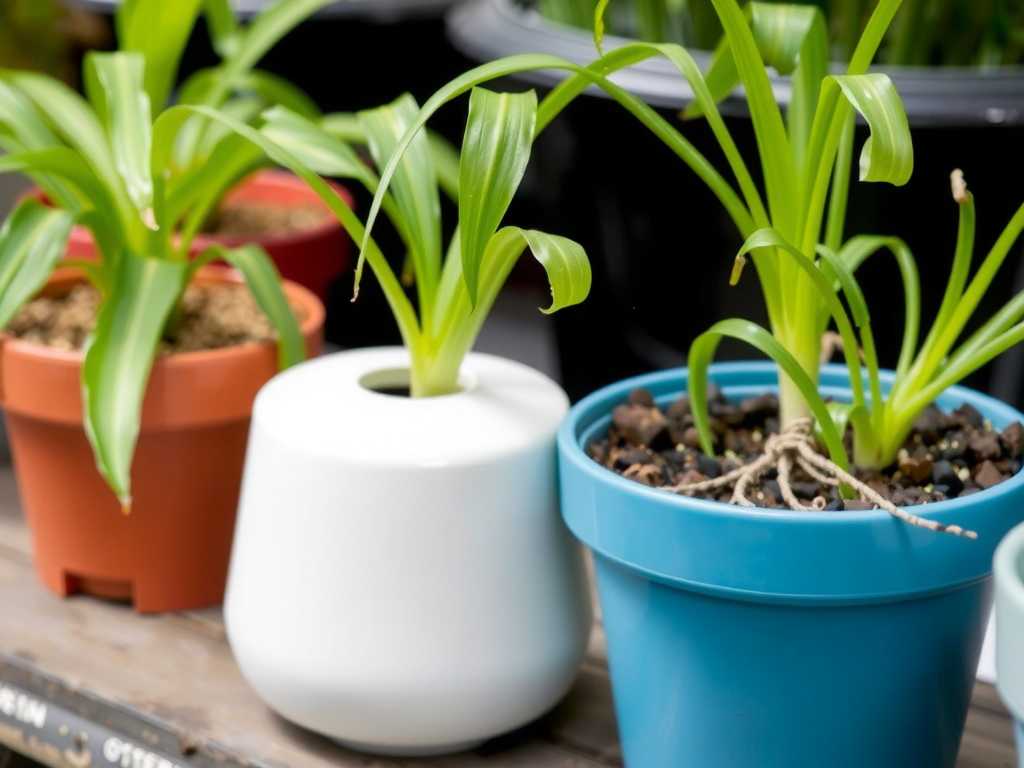
Before mixing anything, I gathered my supplies. I chose a balanced, water-soluble liquid fertilizer with an equal NPK ratio, like 10-10-10 or 5-5-5. Liquid formulas allow for precise dilution and are immediately available to the roots. My other essentials included a gallon jug for mixing, a small measuring cup, and my watering can. Crucially, I also prepared my logbook to track every step and observation over the coming fortnight.
The Step-by-Step Application Method I Followed
Here is the exact low-concentration liquid fertilizer application method I used, refined through trial and error.
Step 1: The Dilution is Key The bottle's instructions were for general houseplants. For my summer-safe approach, I halved the recommended dose. If it said 1 teaspoon per gallon, I used 1/2 teaspoon. I filled the jug with room-temperature water—never cold, to avoid shocking the roots—then added the fertilizer and stirred thoroughly. This created a very weak, nutrient-mild solution.
Step 2: Pre-Watering: A Non-Negotiable Safety Step This is the step I learned the hard way. My first attempt, I applied the fertilizer solution to dry soil. Within days, a few leaf tips browned. I realized the dry roots were hit with a sudden ionic charge, causing stress. The fix? I now always pre-moisten the soil with plain water an hour before feeding. This ensures the root zone is evenly damp and ready to receive the diluted fertilizer without shock.
Step 3: Even Application and Avoiding the Crown Using my watering can, I gently applied the low-concentration mixture to the soil, moving around the pot until I saw a slight trickle from the drainage holes. I was meticulous to avoid pouring directly into the center crown of the plant, as pooling fertilizer there can cause rot. The aim is to feed the roots, not the foliage.
Step 4: The Post-Feeding Ritual After feeding, I placed the plants back in their bright, indirect light location. I made sure no excess water sat in the saucer, as "wet feet" combined with summer heat can be problematic. Good air circulation is part of proper spider plant care in hot weather.
Two Weeks of Observation: The Transformation Timeline
Days 1-3: No dramatic changes. The plants looked healthy, with no further browning on the tips I'd previously noticed. This was a win—no negative reaction.
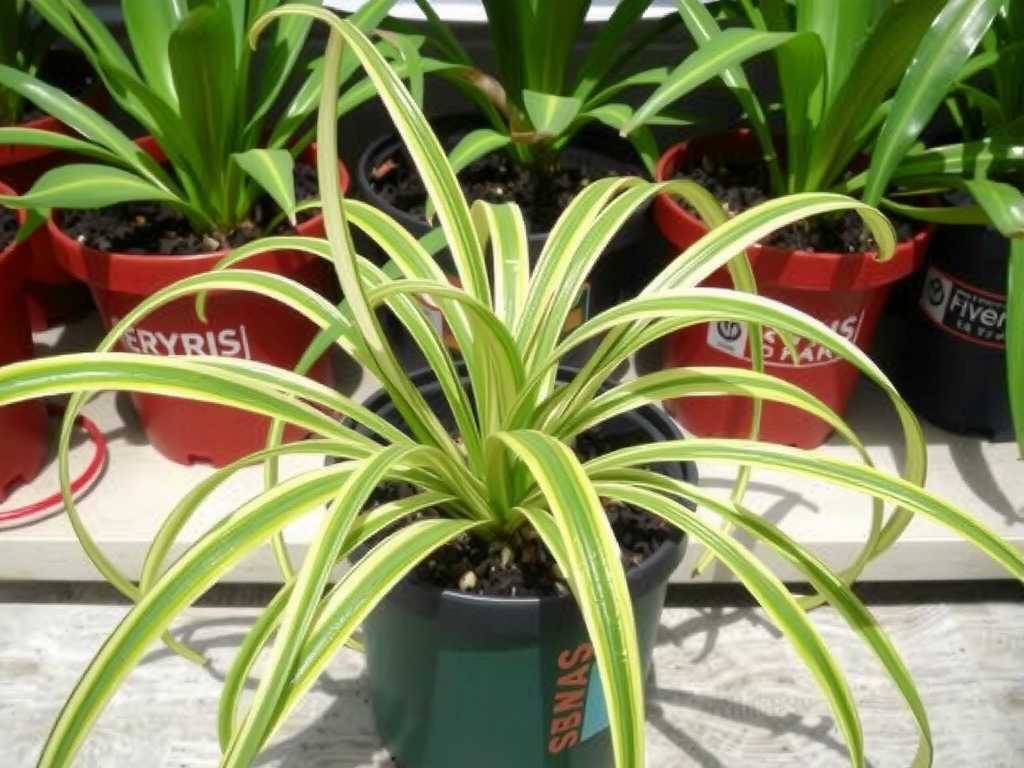
Days 4-7: I noticed a subtle change in color. The leaves, especially the new central growth, developed a deeper, more luminous green hue. It wasn't explosive growth, but a clear improvement in vitality.
Days 8-14: This is where the results became exciting. Several of my mature spider plants began sending out noticeably sturdier, longer stolons (the runners). Tiny plantlets, or spiderettes, formed and seemed to develop faster than before. The overall posture of the plants was perkier. The gentle, consistent feeding was clearly providing the support they needed for robust summer growth.
The Pitfalls I Encountered and How I Fixed Them
My journey wasn't flawless. Here are the bumps in the road.
The Over-Enthusiasm Pitfall: Eager for results, I considered feeding weekly. Luckily, I read an article from the American Horticultural Society (AHS) that warned against over-feeding, stating "more frequent, diluted applications are preferable to strong, infrequent ones." I stuck to my bi-weekly schedule. The solution? Patience and adherence to a moderate calendar are crucial for proper fertilizer application.
The Water Quality Oversight: Our tap water is moderately hard. After a few feedings, I saw a faint white crust on the soil surface—mineral buildup. This can affect pH and nutrient uptake. The fix? I now occasionally use distilled or rainwater for both pre-watering and mixing fertilizer, especially during these summer feeding routines. Flushing the soil with plain water every fourth watering also helps.
Ignoring the Plant's Signals: One plant in lower light showed less response. I initially thought it needed more fertilizer, but realized it simply needed less. The solution? I adjusted its feeding to once every three weeks. Tailoring the schedule to individual plant light exposure is essential.
Frequently Asked Questions
Can I use the same low-concentration method for my spider plant babies (spiderettes)? Absolutely, but be even more gentle. I dilute the fertilizer to one-quarter strength for newly potted spiderettes. Their root systems are tiny and fragile, so a super mild solution once a month during summer is ample until they are well-established.
What if I see fertilizer salt buildup on the soil after a few summer feedings? This is common. Don't panic. Simply scrape off the visible crust from the soil surface. Then, the next time the plant needs water, give it a thorough "flush." Place the pot in a sink and slowly run room-temperature water through the soil for several minutes, letting it drain freely. This leaches out excess salts.
Is it better to fertilize in the morning or evening during summer? I always opt for morning. This allows any accidental moisture on the leaves or crown to evaporate during the day, reducing the risk of fungal issues. Feeding in the evening leaves the plant damp and cooler overnight, which can be less ideal.
Mastering spider plant fertilization in summer is about embracing a less-is-more philosophy. By using a low-concentration liquid fertilizer, pre-watering diligently, and observing your plant's unique responses, you provide the perfect nutritional support for vibrant growth without the risk. My two-week experiment proved that consistent, gentle care yields stronger plants, more prolific runners, and that satisfying, deep green glow. It’s a simple, rewarding practice that turns summer from a season of risk into a season of spectacular growth.