bluename
 spider plant Propagation Watering Frequency: Tips for Keeping Moist Without Waterlogging
You’ve carefully placed your spider plant baby in a glass of water, excited to watch its roots grow. But days later, you’re staring at a musy stem or yellowing leaves, wondering what went wrong. The most common culprit in failed spider plant propagation isn’t neglect—it’s actually overenthusiasm with the watering can. Finding the perfect balance between keeping the medium moist and avoiding a waterlogged environment is the single most critical skill for propagating healthy, robust spider plants. This guide will demystify the process, providing clear, actionable strategies to ensure your spider plant pups thrive, not just survive.
Understanding Spider Plant Propagation Basics
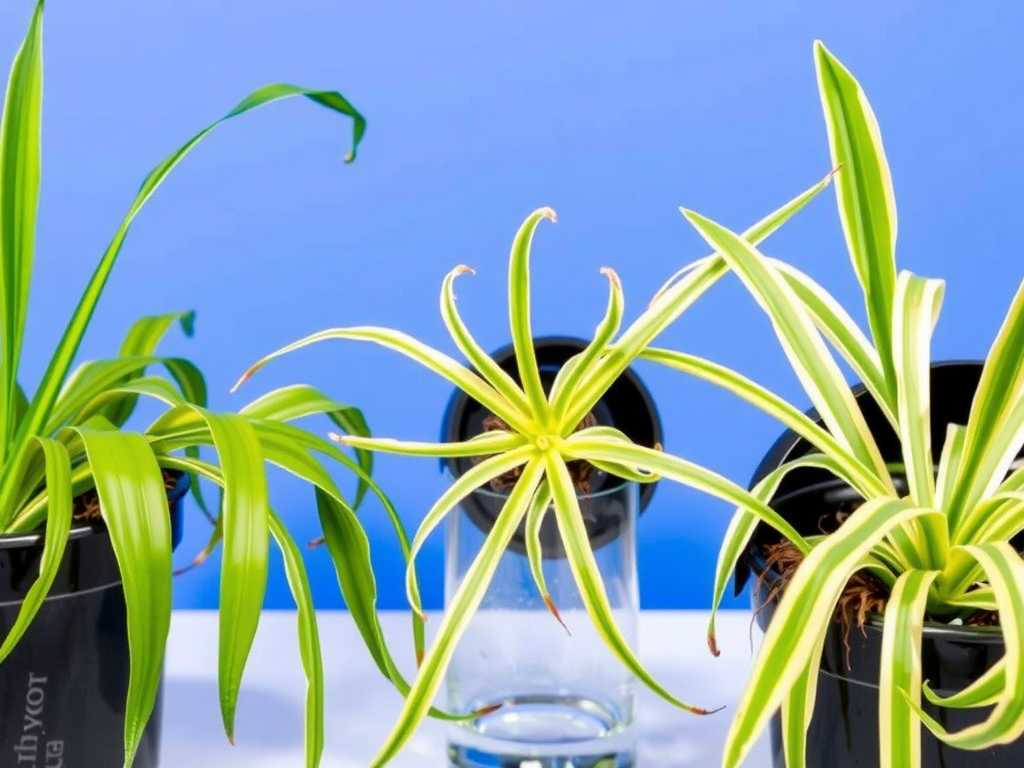
Spider plants, or Chlorophytum comosum, are famously prolific, producing dangling offsets called “pups” or “spiderettes.” These pups can be propagated in two primary ways: directly in water or in a potting mix. Each method has a completely different approach to hydration, and confusing the two is a fast track to problems. Water propagation involves suspending the base of the pup in water until roots develop, while soil propagation involves planting the pup directly into a moist growing medium. Your watering frequency is entirely dependent on which path you choose.
The Golden Rule: Moist vs. Wet vs. Waterlogged
Before we dive into specifics, let’s define our terms, as understanding this distinction is 90% of the battle.
- Moist: The ideal state. The propagation medium (whether soil, water, or another substrate) feels cool and slightly damp to the touch, but no water drips or pools. It provides constant, gentle hydration without suffocating the plant tissues.
- Wet: A hazardous zone. The medium is saturated, heavy with water, and may feel soggy. This state leaves little room for air and dramatically increases the risk of rot.
- Waterlogged: The point of failure. The medium is thoroughly saturated for a prolonged period, oxygen is completely displaced, and anaerobic bacteria begin to thrive, leading to inevitable root and stem rot.
Your goal is to maintain a consistently moist environment for root development, skillfully avoiding the wet and waterlogged conditions that spell disaster.
Water Propagation: Managing Hydration for Root Development
Propagating spider plants in water is visually rewarding but requires mindful water management.
- Initial Setup: Use a clean container and fill it with just enough water to submerge the base (the “nub” or root initials) of the spiderette. The leaves must remain completely dry and above the waterline.
- Water Change Frequency: This is your key control lever. Change the water completely every 3 to 5 days. This frequency prevents the buildup of stagnant water, replenishes oxygen dissolved in the water, and inhibits bacterial growth. If the water looks cloudy at any point, change it immediately.
- Monitoring Signs: Healthy roots will appear white and firm. If the base of the stem becomes soft, brown, or slimy, it’s a sign of rot, often due to stagnant water. Remove the pup, cut above the rot, let it callous for an hour, and restart with fresh water changed more frequently.
- Transitioning to Soil: Once roots are 1-2 inches long, the plant must adapt from an aquatic to a terrestrial environment. This transition is a critical period for watering. Plant it in a moist, well-draining potting mix and keep the soil consistently moist (not soggy) for the first 1-2 weeks to help the water roots adjust, before gradually moving to a more typical watering schedule.
Soil Propagation: Mastering Moisture Control in Potting Mix
For many, soil propagation is a more direct and successful method, as it avoids the shock of transferring water roots to soil.
- The Perfect Mix: Your first defense against waterlogging is the potting medium. Use a lightweight, well-draining mix. A standard potting soil amended with 30-50% perlite or coarse sand is excellent. This ensures moisture retention while allowing excess water to drain away quickly.
- Initial Planting and Watering: Plant the spiderette’s base in a small pot with drainage holes. Water it thoroughly once after planting until water runs freely from the bottom. This “settling in” soak ensures the entire root zone is initially moist.
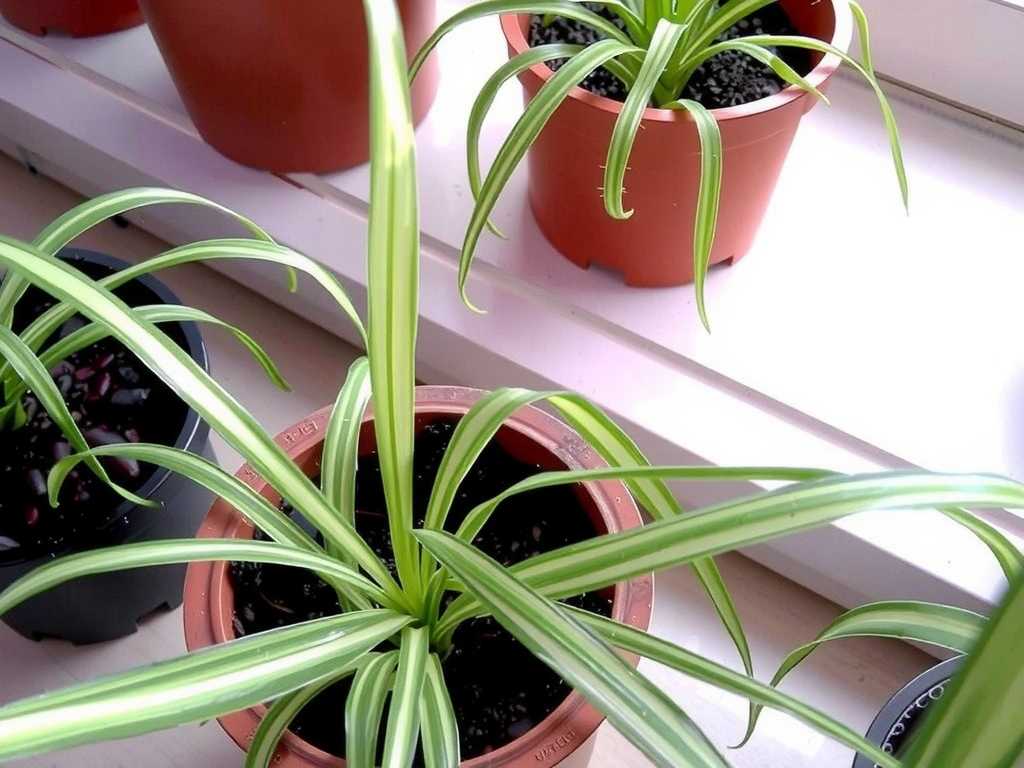
- The “Knuckle Test” for Frequency: Here is your essential technique. Forget the calendar. Instead, insert your finger about an inch into the soil (roughly to your first knuckle). If the soil feels dry at that depth, it’s time to water thoroughly. If it still feels cool or damp, wait and check again in a day or two. This method tailors watering to your specific home environment (humidity, light, temperature).
- Pot and Environment Matters: Always use a pot with drainage holes. Terracotta pots are ideal for beginners as they “breathe,” helping soil dry more evenly. Place your propagation in bright, indirect light. Too little light slows growth and evaporation, keeping soil wet for too long.
Advanced Tips for Optimal Moisture Maintenance
Beyond the basics, a few pro strategies can make moisture management effortless.
- The Humidity Dome Trick: For soil propagations, covering the pot with a clear plastic bag or dome creates a mini-greenhouse. This boosts humidity, reduces the plant’s water loss through leaves (transpiration), and means the soil itself needs watering far less frequently. Open the dome for an hour every few days to prevent mold and allow air circulation.
- Bottom-Watering for Precision: Instead of watering from the top, place your pot in a shallow tray of water for 15-30 minutes. The soil will draw moisture up through the drainage holes via capillary action. This encourages deeper root growth and prevents disturbing the delicate pup. Once the top surface feels moist, remove the pot from the tray.
- Recognizing the Signals: Your plant communicates. Yellowing leaves often signal overwatering and waterlogged conditions. Brown, crispy tips can indicate underwatering or, ironically, a buildup of salts and fluoride from tap water—using distilled or rainwater can help. Slow or stunted growth suggests the roots are unhappy, often due to improper moisture levels.
Common Pitfalls and How to Avoid Them
Even with the best intentions, mistakes happen. Here’s how to steer clear of the big ones.
- The “Set It and Forget It” Mentality: Propagation requires active, regular checking. Don’t just water on a fixed schedule.
- Ignoring Environmental Factors: A pup in a warm, sunny window will need water more often than one in a cool, shady spot. Adjust your checks accordingly.
- Using the Wrong Soil or Pot: Heavy, moisture-retentive garden soil or a pot without drainage is a death sentence for new roots. Invest in the right materials from the start.
Expert Insight on Plant Health
As noted by horticulturists, the health of a plant is fundamentally rooted in the health of its root zone. A study on plant propagation emphasizes that consistent, moderate moisture is the primary driver for successful adventitious root formation, while fluctuations between drought and saturation create stress that hinders development. By focusing on maintaining that stable, moist environment, you are directly supporting the most critical phase of your spider plant’s life.
Frequently Asked Questions
How often should I water my spider plant pup in soil? There is no universal weekly answer. The only reliable method is the “knuckle test.” Check the soil moisture by feeling an inch down every 2-3 days. Water only when that depth feels dry. This could be every 5 days in a hot, dry room or every 10 days in a cool, humid one.
Can I propagate a spider plant pup directly in soil without roots? Absolutely. Spider plant pups are remarkably resilient. Plant the base in a consistently moist, well-draining mix and maintain humidity (like with a plastic bag dome). Roots will often develop more successfully this way than in water, as they adapt directly to their permanent environment.
My propagated spider plant’s leaves are turning brown at the tips. Am I underwatering? Not necessarily. While dry soil can cause browning, the most common cause in spider plants is minerals (like fluoride and chlorine) in tap water. The plant stores these in its leaf tips, causing them to burn. Try switching to distilled, filtered, or rainwater for both propagation and ongoing care, while ensuring you are not letting the propagation medium dry out completely.
Mastering spider plant propagation watering frequency is less about rigid rules and more about understanding and responding to the plant’s needs. By prioritizing a consistently moist environment—whether in a water glass or a pot of soil—and vigilantly avoiding saturation, you create the perfect foundation for strong root growth. Remember the knuckle test, choose a well-draining home for your pup, and observe its signals. With these principles, you’ll transform from an uncertain propagator into a confident grower, ready to nurture an endless supply of healthy, vibrant spider plants.