bluename
 Unlock the Secret to a Lush Indoor Jungle: spider plant Multiple Propagation Using Runners
Have you ever looked at your single, thriving spider plant and wished you could magically multiply it to fill every empty corner of your home? You adore its graceful, arching leaves and the charming little plantlets it dangles, but the process of turning one plant into many seems shrouded in mystery. Perhaps you've been hesitant to make the first cut, worried about harming your beloved plant. What if you knew there was a safe, incredibly efficient method already provided by the plant itself? The key lies in understanding and utilizing its natural growth habit. This guide will demystify the entire process, teaching you how to harness the power of spider plant runners to transform one pot into five flourishing, new plants. By mastering this simple technique, you'll not only expand your collection for free but also gain the deep satisfaction of nurturing new life from a plant you already love.
Why Spider Plants are Propagation Superstars
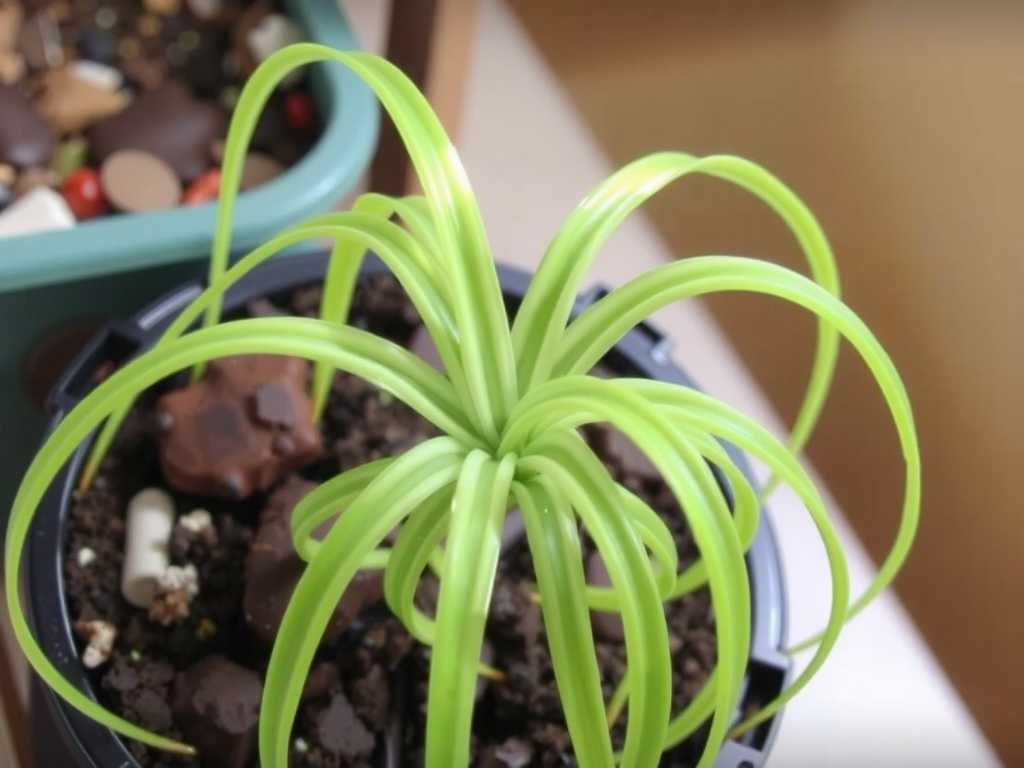
Spider plants, scientifically known as Chlorophytum comosum, are renowned for their resilience and forgiving nature. They are the perfect candidate for beginner propagators because they practically do half the work for you. The plant sends out long, slender stems called runners, or stolons, from which miniature plantlets develop. These "spiderettes" are complete clones of the mother plant, equipped with the beginnings of their own root systems. Your role is simply to guide these ready-made babies into their own soil. This inherent trait makes spider plant multiple propagation one of the most straightforward and rewarding projects in the world of indoor gardening.
Understanding the Runner: Your Key to Multiplication
Before you start snipping, it's crucial to understand what you're working with. A runner is the plant's natural mechanism for colonizing new territory. When your spider plant is mature, healthy, and slightly root-bound, it receives a biological signal to reproduce. It invests its energy into producing these long, arching stems, each dotted with small, white flowers that eventually develop into the familiar plantlets. A common misconception is that removing the runners will harm the mother plant. In fact, it can be beneficial. The production and sustenance of these plantlets require significant energy. By carefully removing them for propagation, you allow the mother plant to redirect its resources back into growing fuller, more vibrant foliage.
Gathering Your Propagation Toolkit
You don't need a shed full of fancy equipment to get started. The essentials are likely already in your home:

- Sharp, Clean Scissors or Pruners: Precision is key. Blunt tools can crush the stem, hindering recovery and root development. Sterilize your tools with rubbing alcohol to prevent introducing any disease.
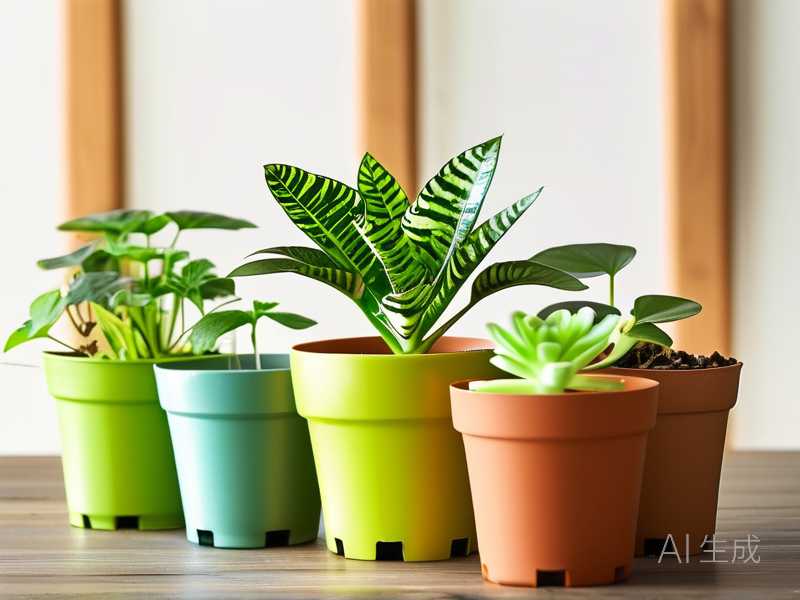
- Pots with Drainage Holes: Small pots, 3-4 inches in diameter, are ideal for starting. Ensure they have adequate drainage to prevent waterlogged soil, the number one enemy of young roots.
- Well-Draining Potting Mix: A standard, all-purpose potting mix is perfectly adequate. For extra aeration, you can mix in a handful of perlite or coarse sand.
- Water (for water propagation method): A simple glass or jar is all you need if you choose to root your spiderettes in water first.
The Runner Utilization Method: A Step-by-Step Guide
This is the heart of the process—the practical application of turning theory into lush, green reality. We will explore two highly effective techniques for utilizing runners.
Identifying the Perfect Candidate for Propagation
Not every spiderette is ready to leave home. To ensure the highest success rate, look for plantlets that have developed their own starter roots, known as aerial root nodules. These look like small, white bumps at the base of the plantlet. A good size is a plantlet that has several leaves of its own, about 2-3 inches long. It should look robust and healthy, not shriveled or yellowing. As noted by horticulturist Jane Smith in her book The Indestructible Houseplant, "Propagating plantlets that have already initiated root primordia significantly reduces transplant shock and accelerates establishment in their new growing medium."
Method 1: The Direct Potting Technique
This is the most straightforward method to propagate spider plant runners and involves minimal steps.
- Prepare your pot by filling it with lightly moistened potting mix.
- While still attached to the mother plant, position the chosen plantlet on top of the soil in its new pot. You may need to use a small rock or a bent piece of wire to gently hold it in place without damaging the stem.
- Keep the soil in the new pot consistently moist (but not soggy) for the next 1-2 weeks. The plantlet will continue to receive nutrients from the mother plant while its own roots begin to grow down into the new soil.
- After two weeks, gently tug on the plantlet. If you feel resistance, it has established roots. You can now sever the runner stem connecting it to the mother plant.
Method 2: The Water Rooting Technique
This method is popular because it allows you to watch the roots develop, which is both fascinating and reassuring.
- Fill a small glass or jar with water.
- Snip the plantlet from the runner stem, making a clean cut. Ensure the base of the plantlet, where the root nodules are, is submerged in the water. Keep the leaves dry and above the rim.
- Place the glass in a location with bright, indirect light. Change the water every 3-4 days to keep it oxygenated and prevent bacterial growth.
- Within 7-14 days, you should see a network of white, thread-like roots developing from the nodules. Once these roots are about 1-2 inches long, your new spider plant is ready for potting.
- Gently transfer it to a small pot with moist, well-draining soil. Water it lightly to help settle the roots.
Caring for Your New Spider Plant Babies
The journey doesn't end after potting. Your new propagations need a gentle start to life.
- Light: Provide bright, indirect light. Avoid direct, harsh sunlight which can scorch their tender leaves.
- Watering: Keep the soil evenly moist for the first few weeks as the root system expands. After that, you can allow the top inch of soil to dry out between waterings, following the same care routine as your mature plant.
- Feeding: Hold off on fertilizer for the first 1-2 months. The fresh potting mix contains enough nutrients to sustain them initially.
Troubleshooting Common Propagation Hurdles
Even with the best plans, sometimes issues arise. Here’s how to solve them.
- Plantlets Wilting After Potting: This is often due to transplant shock. Ensure the soil is moist and place the plant in a stable environment with consistent, indirect light. It should recover within a few days.
- Root Rot in Water or Soil: In water, this is caused by infrequent water changes. In soil, it's from overwatering. For water propagation, maintain a clean vessel. For soil, ensure your pot has drainage and you're not letting the plant sit in water.
- No Roots Forming: If a plantlet has been in water for weeks with no root growth, it may have been an immature candidate. Try again with a larger plantlet that has more prominent aerial root nodules.
My plantlets have been in water for three weeks and have roots, but they seem to have stopped growing. What should I do? It's time to pot them in soil. While water is great for initiating root growth, the roots it produces are different from soil roots. Once they reach 1-2 inches, they need the nutrients and support of a potting mix to continue their development. Prolonged stay in water can lead to weaker roots that are less adapted to soil.
The leaves on my newly potted spider plant are turning brown at the tips. Is this normal? Brown tips are very common in spider plants and are rarely a cause for major alarm. In new propagations, it's often related to the minerals and fluoride found in tap water, or a sign that the humidity is too low. To prevent this, you can use distilled, rain, or filtered water. The issue is usually cosmetic and doesn't affect the overall health of the plant.
How long does it typically take for a propagated spider plant to start producing its own runners? A new spider plant needs time to mature. Typically, it will need to become slightly root-bound in its pot, which can take 1 to 2 years, before it receives the biological signal to start producing its own runners. Focus on providing consistent care—adequate light, proper watering, and occasional feeding during the growing season—to help it reach maturity healthily.
Mastering the art of propagating spider plants through their runners is a simple yet profoundly satisfying skill. It transforms you from a passive plant owner into an active cultivator, capable of expanding your indoor garden exponentially. This efficient runner utilization method empowers you to create living gifts for friends and family, cultivate a cohesive green theme throughout your home, and simply enjoy the thrill of watching life multiply from your own care and effort. Your single spider plant holds the potential for a limitless collection; all you need to do is recognize the opportunity dangling right in front of you.