bluename
 spider plant Old Leaf Pruning: The Ultimate Guide to Timing It Right for Lush New Growth
If you're anything like me, you adore your spider plant's cheerful arching leaves and eager little plantlets. But after a while, you might notice some leaves turning brown at the tips, yellowing entirely, or just looking tired and old. The big question hits: should I cut them off? And more importantly, when is the optimal time for spider plant old leaf pruning to actually encourage a burst of fresh, green growth instead of stressing the plant? I wrestled with this for years, making every mistake in the book, until I decided to treat it like a proper experiment. Let me walk you through my exact process, the two-week results, and the lessons I learned the hard way.
For years, I pruned on a whim, often hacking away brown tips in winter or removing too many leaves at once. My spider plant, "Chlorophylla," would just sit there, looking shocked, with no new growth for months. I realized I was missing the crucial factor: timing. Pruning isn't just about aesthetics; it's a strategic intervention. According to the Royal Horticultural Society (RHS), pruning houseplants like spider plants is best done to remove dead or damaged material and to "maintain shape and encourage new growth." The key word is encourage—and that depends entirely on when you make the cut.
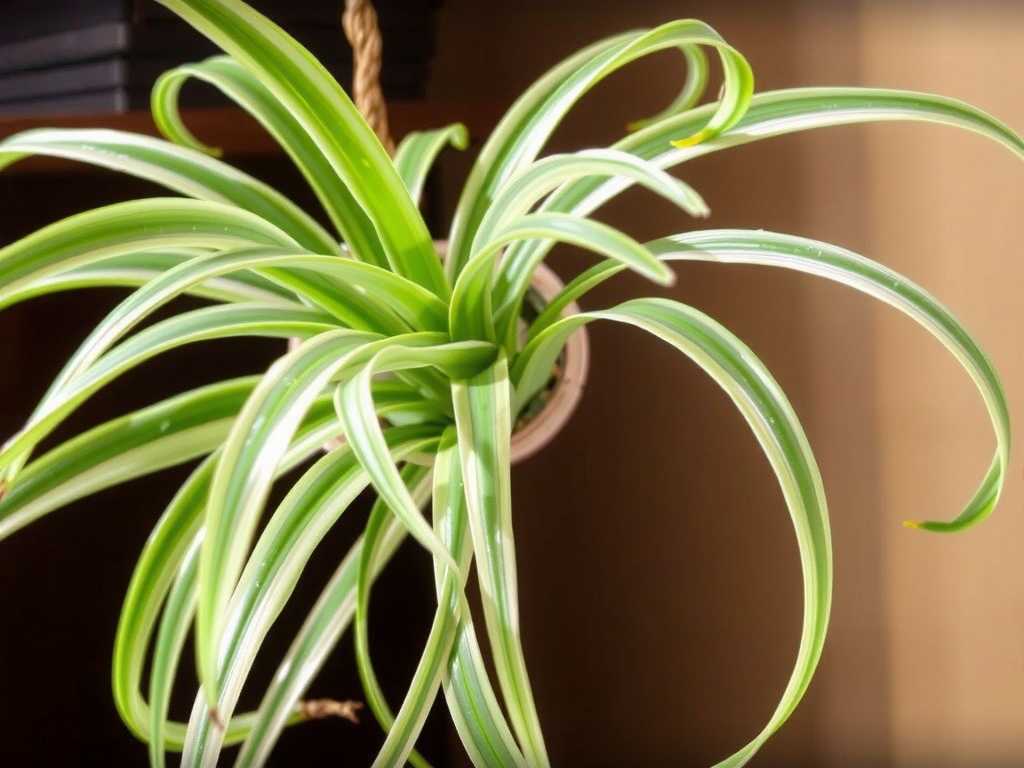
My Personal Pruning Protocol: A Two-Week Observation Journal
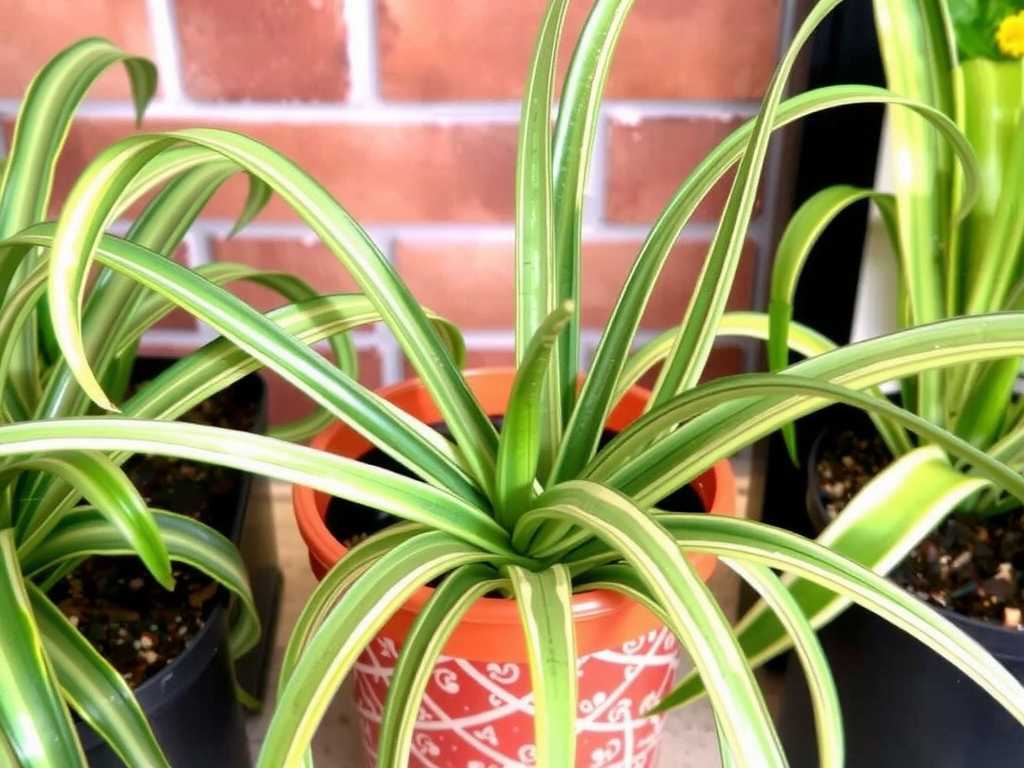
I decided to time my spider plant pruning for new leaf growth with the start of the active growing season. For most indoor spider plants, this is late spring to early summer when light levels and daylight hours increase. This is when the plant's energy is naturally surging, making it best equipped to heal pruning wounds and redirect resources.
Week 1: Preparation and The Strategic Snip
First, I gathered my tools: a pair of sharp, clean micro-tip pruning shears. Blunt tools crush stems, inviting disease. I wiped the blades with rubbing alcohol—a non-negotiable step to prevent transmitting any pathogens.
I assessed Chlorophylla. I identified three types of leaves for removal:
- Fully yellow or brown leaves: These are energy drains.
- Leaves with significant brown tips exceeding 50% of the leaf: These are mostly dysfunctional.
- One or two perfectly healthy but very old, outer leaves that were slightly faded, to thin the center for light penetration.
Here was my first critical decision. Instead of cutting just the brown tip (which often browns again), I followed the leaf's natural shape. I traced the damaged leaf back to its base near the soil and made a clean, angled cut as close to the base as possible without damaging surrounding leaves. This removes the entire "sink" of energy and looks far more natural. For leaves with minor brown tips, I used a sharp pair of scissors to make a tiny, angled notch at the tip, mimicking a natural leaf point, but I only did this on a few for comparison.
I was careful. The American Horticultural Society (AHA) emphasizes never removing more than one-third of a plant's foliage at once to avoid severe stress. I pruned about 20% of Chlorophylla's leaves, which amounted to 8-10 individual leaves.
Post-Prune Care: I placed her back in her spot with bright, indirect light. I held off on watering for a few days as the plant had less foliage to transpire water. I resumed my normal watering routine only when the top inch of soil felt dry.
The First 7 Days: Patience and Observation
Days 1-3: No visible change. The plant looked a bit "lighter," but no new growth. Days 4-5: I noticed something subtle. The center of the plant, now with better light exposure from my thinning cut, seemed a tiny bit brighter green. Days 6-7: This is where I saw the first sign of success. At the very base, near where I had made my clean cuts, I spotted two tiny, nub-like protrusions. These were the beginnings of new growth points! The plant was already redirecting energy.
Week 2: The Growth Response Accelerates
Days 8-10: Those nubs elongated into distinct, pale green spears—unmistakable new leaves. They were unfurling from the center, not from the cut ends (which had calloused over cleanly). The plant looked rejuvenated, not butchered. Days 11-14: The two new leaves were growing visibly, almost a centimeter every couple of days. The overall plant appeared perkier. The leaves I had merely notched at the tips? The browning had not progressed on most, validating that for minor issues, a simple tip-trim can suffice.
The Pitfalls I Encountered (And How to Fix Them)
My journey wasn't always this smooth. Here are the mistakes I've made so you don't have to.
Pitfall 1: Pruning in Dormancy. I once gave Chlorophylla a "winter haircut" in late fall. The result? Stagnation. The cuts stayed open-looking for weeks, and zero new growth appeared for over two months. The plant was in energy-conservation mode and couldn't respond. Solution: Always prune during active growth periods (spring/summer). If you must remove a dead or diseased leaf in winter, do it, but don't expect a growth spurt.
Pitfall 2: The "Fear Cut" and Leaving Stubs. I used to be afraid of cutting too close, leaving behind short, yellowing leaf stumps. These stubs didn't callous well, often rotted, and looked terrible. Solution: Be confident. Cut as close to the soil line as possible. A clean cut at the base heals fastest and is hidden by surrounding foliage.
Pitfall 3: Over-Pruning in a Single Session. In my early enthusiasm, I once removed almost half the leaves to "refresh" the plant. It went into severe shock, drooped dramatically, and took nearly a full season to recover. Solution: Adhere to the 30% rule as an absolute maximum. Less is often more. You can always prune a bit more in a few weeks if needed.
Optimizing the Environment for Post-Prune Success
Pruning at the right time sets the stage, but the environment seals the deal. After pruning, ensure your spider plant has:
- Consistent, bright, indirect light: This is the fuel for new growth.
- Appropriate watering: Overwatering soggy roots will negate any benefits. Water only when the topsoil is dry.
- A light feeding: About 2-3 weeks after pruning, I gave a half-strength dose of balanced liquid fertilizer to support the new growth. Never fertilize immediately after pruning or on dry soil.
When is the Best Time to Trim Spider Plant Leaves for Health? The answer is two-fold. For promoting new growth, the optimal window is spring and summer. For removing damaged or diseased leaves, the best time is immediately, regardless of season, to prevent the spread of issues. Health always trumps the calendar.
What do spider plant owners commonly ask?
Will cutting the brown tips stop more browning? Not necessarily. Brown tips are often a symptom of low humidity, fluoride in water, or irregular watering. Pruning removes the symptom, not the cause. After pruning, address the underlying issue—I started using distilled or rainwater, and the new growth has remained tip-burn free.
Can I prune the baby spider plantlets (spiderettes)? Absolutely, and it's often beneficial. If the mother plant is looking tired, the plantlets are drawing significant energy. Pruning them off can redirect vigor back to the main plant. I often prune and propagate them in water simultaneously.
How often should I prune my spider plant? There's no set schedule. Prune as needed to remove old or damaged leaves, but for a major "growth-promoting" prune, once a year at the start of the growing season is ample. Regular, light tidying of brown tips can be done as they appear.
The transformation over those two weeks was clear evidence. By aligning my spider plant leaf trimming with the plant's natural growth cycle, I worked with its biology, not against it. The optimal time isn't just a date on the calendar; it's when your plant is most ready to bounce back. Strategic, thoughtful pruning during the active season is less of a chore and more of a conversation with your plant—a signal that tells it to focus its energy on fresh, vibrant leaves. Now, Chlorophylla isn't just surviving; she's actively thriving, with a more compact, lush center and a constant supply of new leaves unfurling. Give it a try this season, and watch your own spider plant respond with gratitude.