bluename
 spider plant Indoor Temperature: My Battle-Tested Warm-Keeping Measures for Winter Survival Below 10℃
As a dedicated plant parent, I used to dread the winter months. My once-vibrant spider plants, those champions of easy care, would start looking sad and limp whenever the indoor temperature dipped near that critical 10°C (50°F) mark. The leaves would lose their vigor, growth would completely stall, and in one particularly cold draft, I even lost a mature plant to what I now know was cold damage. If you're worrying about your spider plant's health during a cold snap, you're not alone. Maintaining the right spider plant indoor temperature is the single most important factor for winter survival, especially when it's cold outside. Through trial, error, and two weeks of intense observation during a severe cold spell, I've developed a practical system to protect these resilient yet cold-sensitive friends.
Understanding the Cold Threshold: Why 10°C is the Danger Zone
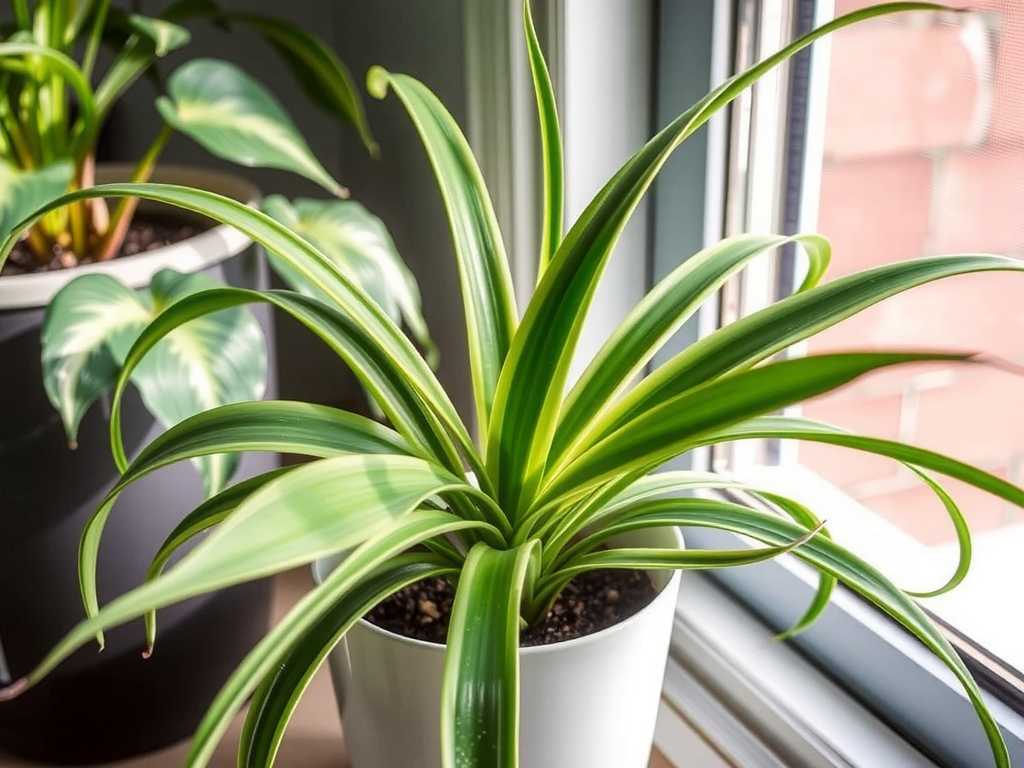
Spider plants (Chlorophytum comosum) hail from South African climates. While adaptable, they are tropical perennials at heart. According to the Royal Horticultural Society (RHS), these plants thrive in temperatures between 18°C and 32°C (65°F - 90°F) and can tolerate a minimum of 10°C (50°F). Below this point, physiological stress begins. The American Horticultural Society (AHS) notes that prolonged exposure to temperatures under 10°C can lead to chilling injury, damaging cell membranes and halting root function. My own experience confirmed this textbook knowledge. My apartment's old windows created microclimates much colder than the room's thermostat suggested. The first step wasn't action—it was diagnosis. I bought three inexpensive digital thermometers and placed them near my plants: one on the windowsill, one on a shelf away from the window, and one at plant level in the room's center. The data was shocking: the windowsill was a full 4°C colder than the room's average on a frosty night. This explained why my windowsill spider plant always suffered the most.
My 2-Week Winter Protection Protocol: A Step-by-Step Diary
Faced with a forecast of two weeks of sub-zero outdoor temperatures, I committed to a multi-pronged approach to safeguard my spider plants' indoor climate.
Week 1: The Relocation and Insulation Phase
My primary goal was to eliminate cold drafts and find the warmest, most stable spot. I moved all spider plants away from windows, doors, and exterior walls. The best location turned out to be my bathroom (with a skylight, not a window) and the top of a bookshelf in my living room's interior. Both spots were consistently 3-5°C warmer than the previous locations.
For the larger plants I couldn't move far, I implemented insulation. I carefully placed a layer of bubble wrap between the ceramic pot and the decorative outer pot, creating an air-insulating barrier. Crucially, I did not wrap the foliage or block the drainage hole. I also used simple, clear shower curtains as temporary insulating panels on the coldest windows at night, which I removed during the day for light.
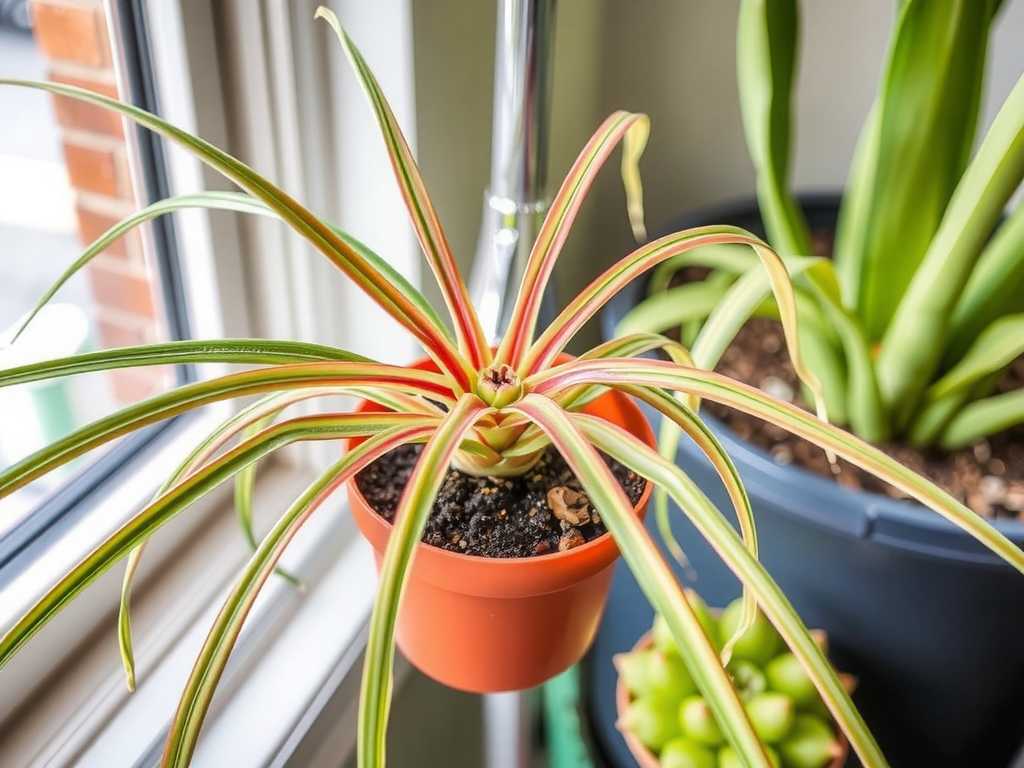
The First Pitfall and Fix: On day 3, I noticed the leaves of one plant touching the cold window glass (I'd missed it in the initial move). The leaf tips in contact turned pale and water-soaked—a classic sign of cold contact injury. I immediately moved it and trimmed the damaged tips with sterilized scissors. The fix was simple: always ensure a minimum 2-foot buffer from single-pane windows during winter.
Week 2: Mastering Moisture and Supplemental Warmth
With the plants in stable locations, I turned to refining their care. Watering is critical. Cold soil stays wet for far longer, and cold, wet roots are a death sentence. I completely altered my watering routine. Instead of on a schedule, I used a moisture meter and only watered when the meter read "dry" 2 inches down, and only with tepid water—never cold tap water. This sometimes meant 14-20 days between waterings.
For a cluster of spiderettes I was rooting in water on a cooler shelf, I faced a second challenge. The water was too cold, stunting root development. My solution was a DIY propagation station. I placed their vase on a standard seedling heat mat set to a constant, low 18°C (65°F). This provided gentle, targeted root-zone warmth without overheating the air or wasting energy.
The Second Pitfall and Fix: The seedling mat worked too well for one plant placed directly on it in a thin plastic pot. The soil dried out drastically in just 4 days, and the leaves began to curl and pale from underwatering stress. I realized the mat needed a buffer. I now always place a small wooden board or a folded towel between the heat mat and the pot, which diffuses the warmth and prevents rapid soil moisture loss. Monitoring became a daily ritual of checking soil moisture and leaf turgor.
The Results After 14 Days of Vigilance
The two-week experiment was a resounding success. The control plant I left in a less-ideal (but not lethal) spot showed zero growth and slight leaf dullness. My intervention-group plants, however, told a different story.
- Leaf Health: No new signs of cold damage (blackened, mushy, or pale spots). Existing damage was contained.
- Growth: To my astonishment, the mature plant on the buffered heat mat actually produced two new small leaves during the second week, proving that maintaining a warm root zone can encourage minimal, safe growth even in winter.
- Root Health: The spiderettes on the warmed propagation station developed robust, healthy roots 50% faster than those in room-temperature water.
- Overall Vigor: The plants maintained firm, upright leaves with good color, demonstrating they were under significantly less physiological stress.
Essential Tools for Monitoring Spider Plant Indoor Climate
You don't need fancy equipment. My toolkit consisted of:
- Digital Hygrometer/Thermometer: For real-time temperature and humidity readings right at plant level.
- Soil Moisture Meter: An absolute game-changer for preventing overwatering in cold conditions.
- Seedling Heat Mat (with thermostat): For targeted, energy-efficient warmth. The thermostat is key to prevent overheating.
- Insulation Materials: Bubble wrap, foam sheets, or even newspaper for pot insulation.
Answering Your Top Spider Plant Winter Care Questions
Can I use a space heater to warm my spider plants? Use extreme caution. Space heaters create hot, dry, uneven air that can scorch leaves and rapidly dehydrate the plant. If you must, place the heater far away, direct it away from plants, and pair it with a humidifier. My preferred method is the localized, gentle warmth of a heat mat, which is safer and more efficient for the plant's root system.
My spider plant has brown tips after a cold period. What should I do? Brown tips are often a delayed reaction to stress, which can include cold drafts, dry air from heating, or inconsistent watering exacerbated by the cold. First, ensure the plant is now in a stable, warm spot. Trim the brown tips with clean scissors, following the leaf's natural shape. Then, focus on consistent care: water only with tepid water when the soil is dry, and consider grouping plants together or using a pebble tray to increase local humidity, countering dry indoor heat.
Is it better to water less or more in cold temperatures? Always, always water less. The plant's growth has slowed or paused, meaning it uses very little water. Cold soil evaporates moisture slowly. Overwatering in cold conditions is the fastest way to induce root rot. The "soak and dry" method still applies, but the "dry" period will be much longer. Trust your moisture meter or your finger—when in doubt, wait another two days.
Winter doesn't have to spell disaster for your spider plants. By understanding their temperature limits, proactively managing their microclimate, and adjusting your care to their dormant state, you can guide them through the cold months. The key is prevention: move them before the cold hits, insulate their pots, and master the art of restrained watering. Seeing my plants not just survive, but hold their green vitality through that challenging two-week freeze, was all the proof I needed. With a little observation and these practical measures, your spider plants will emerge in spring ready to thrive once again.