bluename
 spider plant Fertilization in Spring: Application Method of Decomposed Organic Fertilizer
Spring is here, and my spider plants are sending out new shoots. But last year, some of those shoots turned brown and weak. I realized I was making a common mistake: using the wrong fertilizer at the wrong time. This season, I'm focusing on the perfect spider plant fertilization in spring with a gentle, effective powerhouse—decomposed organic fertilizer. If you've ever wondered how to feed your spider plants without risking chemical burn or poor growth, join me on this two-week, hands-on experiment.
Why Spring Feeding is a Game-Changer for Spider Plants
Spider plants are vigorous growers, especially from spring through summer. This is their prime time for producing those coveted "spiderettes" and lush, arching leaves. According to the American Horticultural Society, spring fertilization supports this natural growth surge, replenishing nutrients depleted during winter dormancy. However, a heavy hand with synthetic fertilizers can cause tip burn due to salt buildup. That's where well-decomposed organic matter shines. It feeds the soil ecosystem, which in turn feeds the plant slowly and steadily.
My Toolkit: Choosing the Right Decomposed Organic Fertilizer
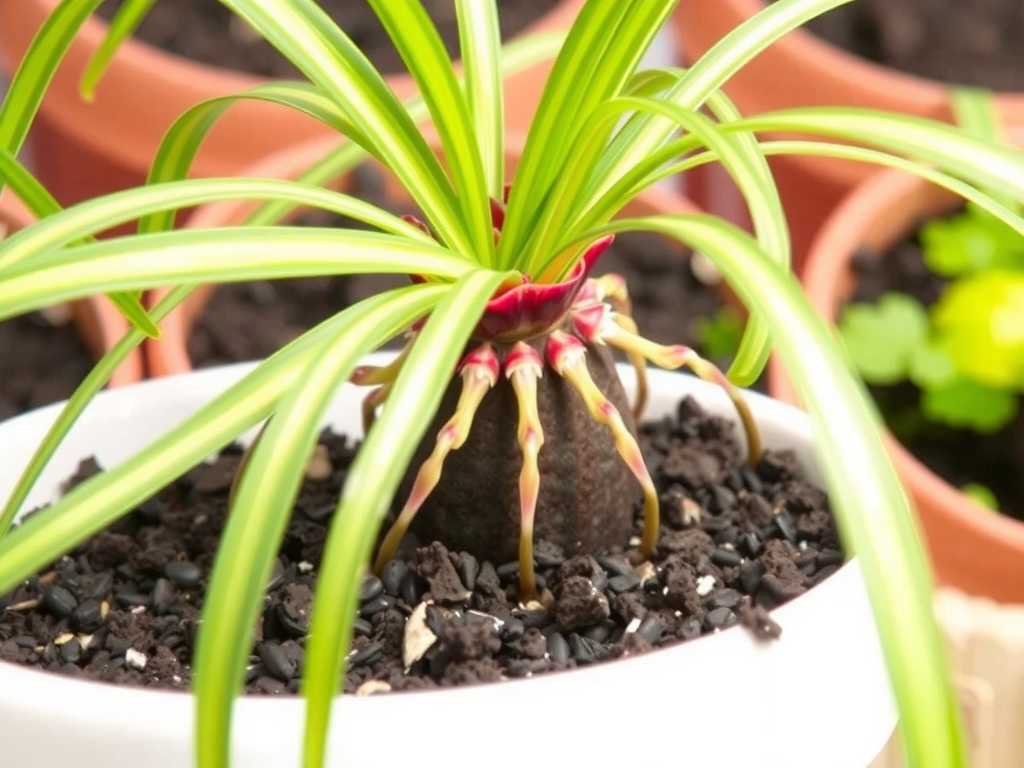
Not all organic fertilizers are created equal. For this trial, I chose two types of fully decomposed materials.
First, a bag of high-quality, screened compost. It was dark, crumbly, and had an earthy smell—no ammonia odor, which indicates incomplete decomposition. Second, I used well-rotted manure from a local garden center, specifically labeled as "aged" or "composted." Fresh manure is far too harsh and can "burn" roots.
The key here is the word "decomposed." Fully broken-down organic matter is safe for indoor plant roots and immediately beneficial.
The Step-by-Step Application Method I Followed
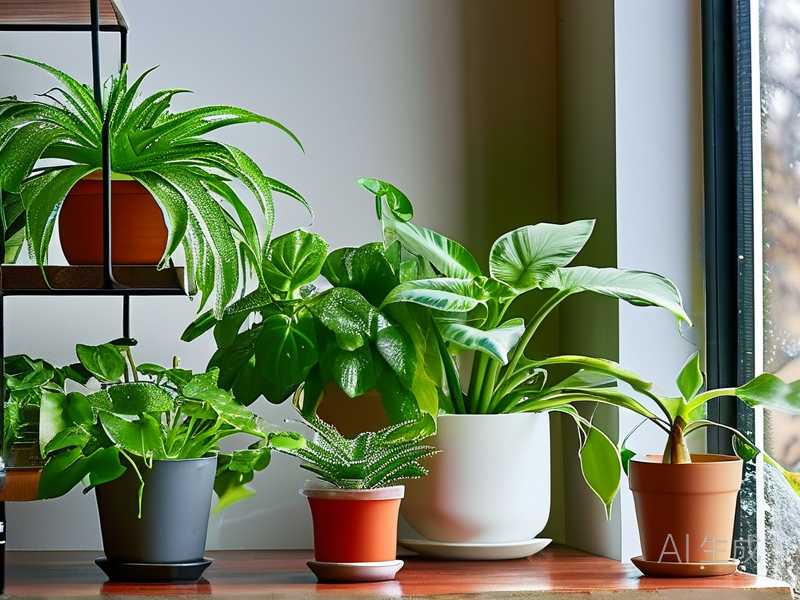
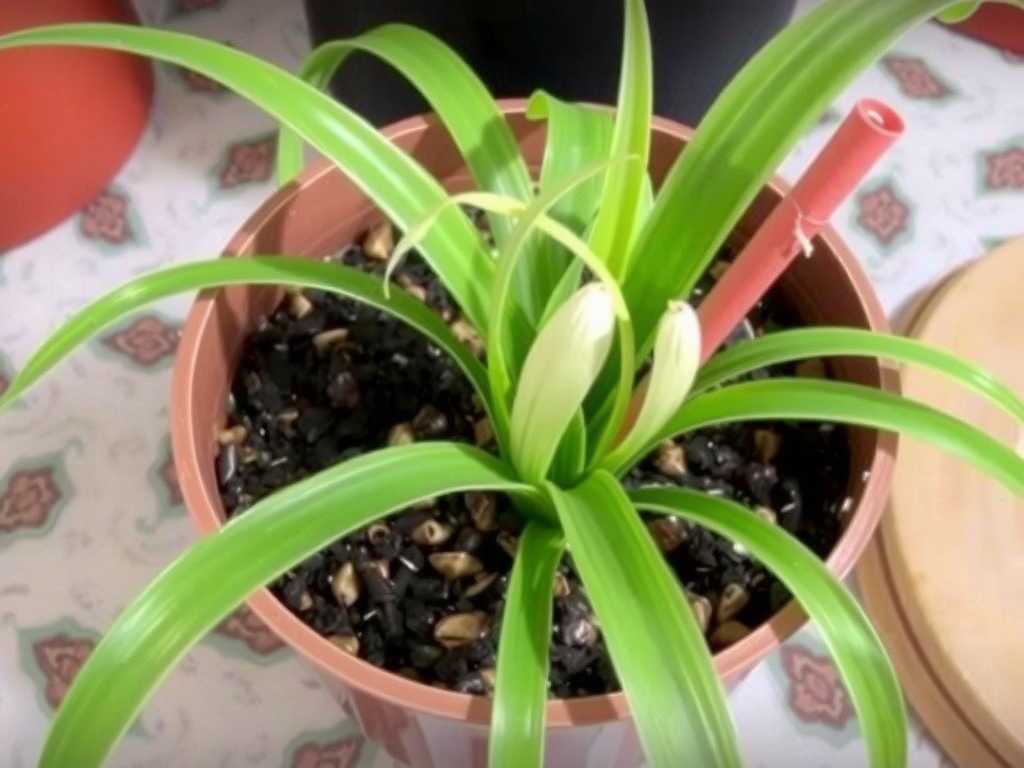
I gathered my tools: a small trowel, my pots of spider plants (Chlorophytum comosum), a watering can, and my organic fertilizers. Here is the exact process I used for applying decomposed organic fertilizer.
Step 1: The Pre-Fertilization Check I gently checked the soil moisture. The top inch was dry—a perfect time for feeding. I also inspected the root systems of a few plants by tipping them out of their pots. Healthy, white roots confirmed they were ready for a nutrient boost.
Step 2: The Gentle Top-Dressing Technique Instead of mixing fertilizer into the potting soil, which can disturb roots, I used the top-dressing method. I carefully scraped back the top half-inch of existing soil without damaging the surface roots.
I then applied a thin, even layer of compost—about a quarter-inch thick—around the base of the plant, avoiding direct contact with the central crown. For a few larger plants, I used a handful of the well-rotted manure, applying it just as sparingly.
Step 3: The Essential Watering-In This step is non-negotiable. I watered the plants thoroughly until water ran freely from the drainage holes. This helps integrate the organic matter with the soil and initiates the slow release of nutrients. It also prevents the dry compost from wicking moisture away from the roots.
My Two-Week Observation Diary: What Actually Happened
Days 1-3: No dramatic changes, which is expected. The soil retained moisture slightly better after watering.
Days 4-7: I noticed the first sign! The newest leaves in the center of several plants appeared a richer, deeper green. Growth wasn't explosive yet, but the foliage looked undeniably healthier and more vibrant.
Days 8-14: This is where the magic became obvious. The rate of new leaf unfurling visibly increased. More importantly, the first tiny flower stalks (which later become spiderettes) began to emerge on three mature plants. The leaves felt firmer and showed zero signs of the dreaded brown tips. The effect of organic fertilizer on spider plant pups was clear—it was supporting the energy-intensive process of reproduction.
The Pitfalls I Encountered (And How I Fixed Them)
My experiment wasn't flawless. I hit two snags that taught me valuable lessons.
Pitfall 1: The Fungus Gnat Surprise A few days after applying the compost to one plant, I saw tiny flies around the soil. These were fungus gnats, attracted to the organic matter. They're more annoying than harmful, but I wanted them gone.
Solution: I let the soil surface dry out more between waterings, breaking their life cycle. For persistent cases, a top dressing of sand over the compost can create a physical barrier. Next time, I might briefly microwave small batches of compost to sterilize it before use on indoor plants.
Pitfall 2: Over-Enthusiasm with Quantity On one test plant, I got carried away and applied a layer that was too thick. A week later, the soil surface still felt soggy.
Solution: I carefully removed the excess, wet compost with a spoon. This restored proper air circulation to the soil surface. The lesson? Proper dosage of compost for spider plants is a thin layer. More is not better; it can lead to moisture issues.
How This Method Benefits Your Plant's Health Long-Term
This isn't just about a quick green-up. Decomposed organic fertilizer improves soil structure, promoting aeration and drainage. It encourages beneficial microbial life. The Royal Horticultural Society notes that organic feeds support balanced growth, reducing the risk of the lush but weak foliage that high-nitrogen synthetics can sometimes cause. My plants weren't just growing; they were building resilience.
Frequently Asked Questions
Can I use homemade compost for my indoor spider plant? Yes, absolutely, but it must be fully decomposed. It should look like dark, fine soil and smell pleasant. If it's still chunky or smells sour, it needs more time in the compost bin to avoid introducing problems indoors.
How often should I apply decomposed organic fertilizer in spring? For spider plants, once at the very beginning of spring is often sufficient to carry them through their main growth period. You can apply a second, very light top-dressing in mid-summer if growth is prolific. Observe your plant—it will tell you if it's happy.
My spider plant has brown tips even with organic fertilizer. What am I doing wrong? Brown tips are often more related to water quality (fluoride/chlorine) or humidity than fertilizer. While organic feeding helps, ensure you're using distilled, rainwater, or tap water left out for 24 hours. Also, maintain moderate humidity, especially when heaters or air conditioners are running.
Watching my spider plants thrive over these two weeks has been incredibly rewarding. The shift to a simple top-dressing of decomposed organic fertilizer in spring aligns with their natural needs, fostering strong, balanced growth and plentiful pups without the stress of chemical inputs. It’s a low-risk, high-reward practice that any plant enthusiast can master. Start with a thin layer, water it in well, and be patient. Your spider plants will show their gratitude through vibrant, resilient growth all season long.