bluename
 spider plant Watering in Autumn: My 2-Week Guide to Perfect Frequency Reduction
I used to think my spider plants were indestructible. They thrived on my sporadic attention for years. Then came last autumn, and I noticed something worrying. The vibrant green leaves of my trusted Chlorophytum comosum started developing soft, brown tips, and the soil seemed perpetually damp. I was, quite literally, loving them to death with water. That’s when I realized I had never adjusted my spider plant watering for autumn. The change in season demanded a change in care, and I was failing my leafy friends.
This experience sent me on a mission. I dove into research, consulted resources from the Royal Horticultural Society (RHS), and decided to conduct a personal, two-week experiment. My goal was to systematically learn and document how to properly adjust spider plant watering in autumn. What follows is my real-world journey—the steps I took, the close observations I made, the mistakes I encountered, and the solutions that brought my plants back to health.
Why Autumn Demands a Change in Your Watering Routine
Spider plants are remarkably adaptable, but their growth cycle is intrinsically tied to light and temperature. As the days shorten and temperatures cool in autumn, their metabolism slows down. They enter a semi-dormant or reduced-growth phase. The American Horticultural Society (AHS) notes that for most houseplants, reduced light levels in fall and winter are the primary cue to reduce watering, not just the temperature.
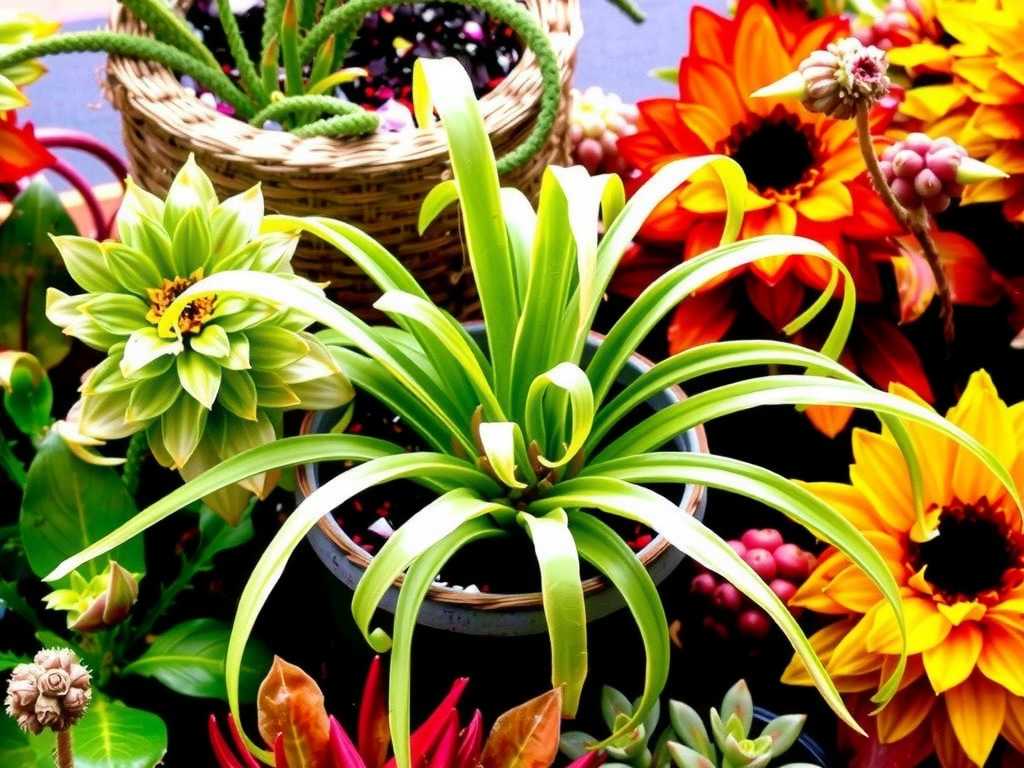
Think of it this way: the plant is no longer actively producing lots of new leaves or runners. Its water consumption drops significantly. Continuing a summer watering schedule means the roots sit in moist soil for much longer, creating the perfect environment for root rot—the very issue I was seeing the early signs of with those brown, mushy leaf tips.
The core principle is simple: Gradual Frequency Reduction. It’s not about giving less water at once; it’s about watering much less often. This adjustment is the single most critical autumn spider plant care tip I can share.
My 2-Week Adjustment Protocol: A Step-by-Step Diary
I selected three mature spider plants for this experiment, placing them in their typical autumn spots with bright, indirect light. I started my new watering adjustment plan on a Sunday.
Week 1: The Baseline Shift
My previous summer habit was watering every 5-7 days, often on a set schedule. I abandoned the calendar immediately.
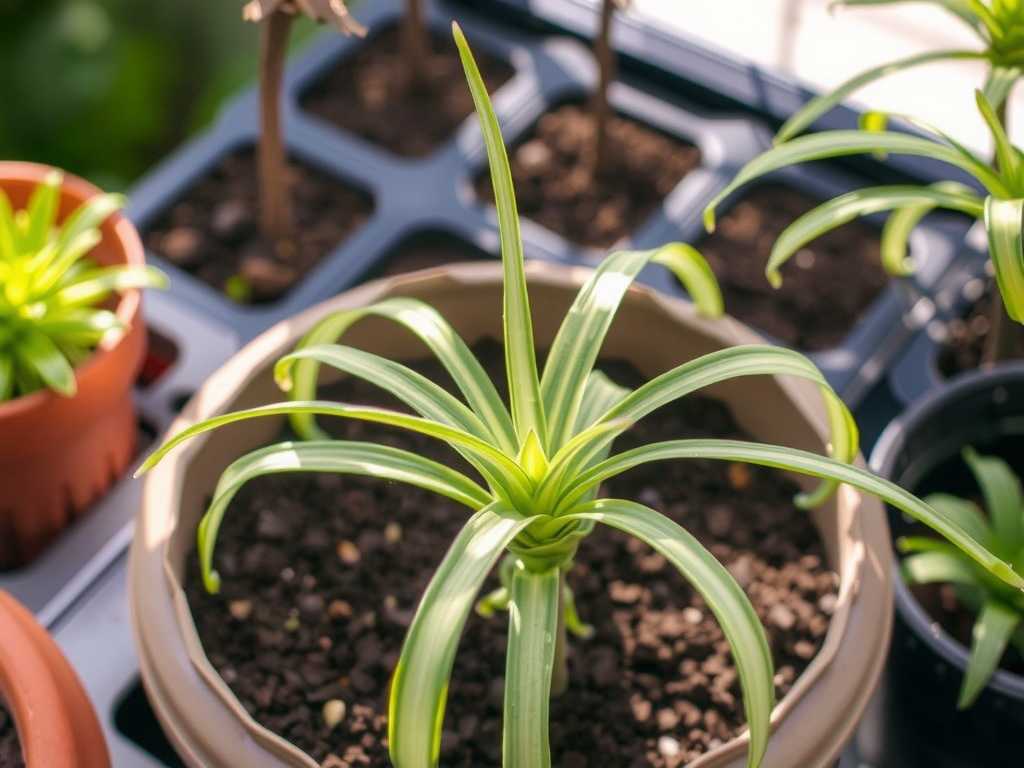
- Day 1: Before doing anything, I performed the "finger test" on all plants. I inserted my index finger about 2 inches into the soil. For two plants, it felt cool and slightly moist. For one, it was almost dry. This variation itself was a lesson—individual plants, even in the same room, can dry at different rates. I only watered the dry one thoroughly until water ran out the drainage hole, letting it drain completely.
- Day 3-4: I checked the plants again. The soil was still moist. In summer, it might have been nearing dry at this point. This visual and tactile confirmation of slower drying was key.
- Day 7: One plant’s topsoil was finally dry to the touch. However, probing deeper, I felt residual moisture about 1.5 inches down. I decided to wait. This was my first conscious act of reducing spider plant water frequency. The old me would have watered. The new, patient me observed.
Week 2: Observing and Refining
- Day 10: The first plant was truly dry at the 2-inch depth. I watered it thoroughly. The other two plants still held moisture. The gap between waterings was already extending from 7 days to 10 days for this particular plant.
- Day 12: I noticed a potential pitfall. One plant was in a slightly darker corner. Its soil was still very damp, and the leaves looked less perky—not dry, but almost lethargic. A warning sign of overwatering.
- Day 14: The plant in the darker corner was in trouble. The soil was soggy, and a faint, musty smell confirmed my fear: early-stage root rot. I had made a critical error by not accounting for microclimates within my home.
The Pitfalls I Encountered (And How I Fixed Them)
My experiment wasn't all smooth sailing. Here are the problems I faced and how I addressed them:
-
The "One-Size-Fits-All" Trap: My biggest mistake was treating all three plants identically. The one in lower light needed an even more drastic watering reduction than the others.
- Solution: I immediately repotted the affected plant. I gently removed it, rinsed the roots, and trimmed away any dark, mushy parts with sterile scissors. I repotted it in fresh, well-draining potting mix in a clean pot with excellent drainage. I placed it in a brighter spot and resolved to check it even less frequently, perhaps only every 14-21 days, until it recovered.
-
Over-Reliance on the "Knuckle Test": While the finger test is great, I learned it’s not infallible, especially for deeper soil in plastic pots.
- Solution: I incorporated two tools. First, a simple wooden chopstick. Inserting it into the soil like a cake tester reveals damp soil that sticks to the wood. Second, I paid more attention to the plant's weight. Lifting the pot to feel how light it is when dry versus after watering became an invaluable skill. A light pot is a thirsty pot.
-
Ignoring Humidity and Heat Sources: My apartment’s heating system kicked on during the second week, creating a drier environment.
- Solution: I realized that while I was reducing watering frequency, the dry air might call for occasional misting of the leaves to prevent tip browning from low humidity—a different issue entirely from overwatering. I also moved plants slightly away from direct radiator heat to prevent the soil from drying unevenly.
The Results: What My Plants Taught Me
After the two-week intensive observation and correction period, I settled into a new rhythm. My spider plant watering in autumn now looks like this:
- Frequency: Watering only every 10-14 days, sometimes longer. I wait until the soil is completely dry at least two inches down and the pot feels noticeably light.
- Technique: Deep, thorough watering until it runs from the drainage hole, followed by complete drainage. No more small, frequent sips.
- Vigilance: Weekly checks using the combined finger, chopstick, and lift tests, adjusting for each plant's specific location.
The results were clear within a month. The brown tips stopped spreading on my original plants. The repotted plant, after a period of stress, began putting out new, firm, green growth. The plants looked healthy and stable, not explosively growing but happily maintaining.
Your Questions, Answered
Can I use a moisture meter for my spider plant in fall? Absolutely. A moisture meter can be a helpful tool, especially for beginners. However, don't rely on it solely. Use it in conjunction with the finger test and the lift test for a comprehensive assessment. Calibrate it by checking what reading corresponds to your "dry" and "moist" tactile feelings.
What if the leaves become pale or lose their variegation in autumn? This is likely a light issue, not a watering one. While reducing water is crucial, spider plants still need bright, indirect light to maintain their color. As daylight fades, consider moving them closer to a window (but out of direct cold drafts) to ensure they get enough photons during the shorter days.
Should I stop fertilizing too? Yes, completely. Fertilizing in autumn and winter can harm the plant. Its slowed growth means it cannot use the extra nutrients, which can build up in the soil and damage the roots. I stop all feeding from late September and don't resume until early spring when I see signs of new growth.
Adjusting your spider plant watering for autumn isn't about neglect; it's about attentive, informed care. It’s a shift from active cultivation to supportive stewardship. By observing more and intervening less, by letting the soil dry thoroughly and watering deeply but infrequently, you work with the plant's natural cycle. My two-week experiment taught me more than any generic guide could: trust the plant, trust the soil, and let the changing seasons guide your routine. Your resilient spider plant will thank you with steady, quiet health all through the cooler months.