bluename
 Dense Foliage on spider plants: My 2-Week Journey to Better Health Through Strategic Leaf Thinning
For years, I prided myself on my spider plants’ lush, dense foliage. It was a sign of success, a green badge of honor. That is, until I noticed the subtle signs of distress. The vibrant green was fading to pale in the center, new pups seemed stunted, and a faint, musty smell lingered after watering. My jungle was too dense. The core of the plant was suffocating, a victim of its own success with no room for air to circulate. I realized that managing dense foliage on spider plants wasn't just about aesthetics; it was a critical health intervention. The solution? A careful, strategic process I came to call ventilation tips via old leaf thinning.
This is the story of my hands-on, two-week experiment to revive my overgrown Chlorophytum comosum. I’ll walk you through my exact steps, the immediate and long-term effects I observed, and the honest mistakes I made along the way.
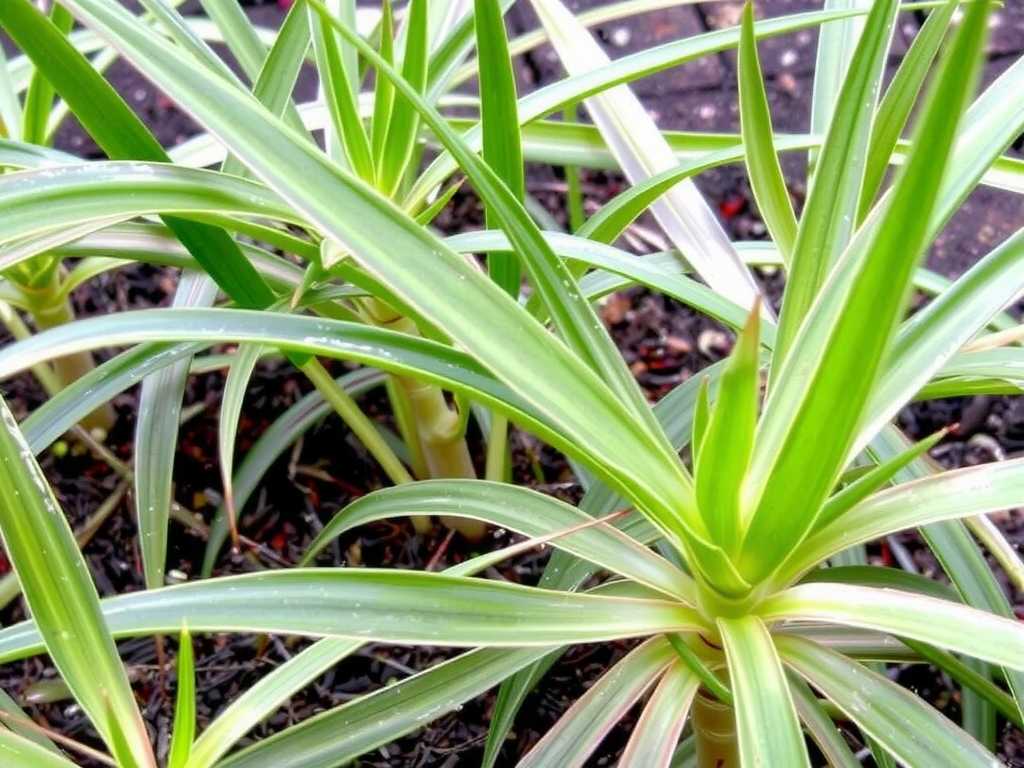
Why a Crowded Spider Plant is a Suffering Spider Plant
We love full plants, but there’s a fine line between lush and stifling. According to the Royal Horticultural Society (RHS), good air circulation is paramount in preventing fungal diseases like leaf spot and root rot, which thrive in stagnant, humid conditions created by overcrowded growth. The American Horticultural Society (AHA) also notes that interior foliage requires adequate space for transpiration and gas exchange at the leaf surface.
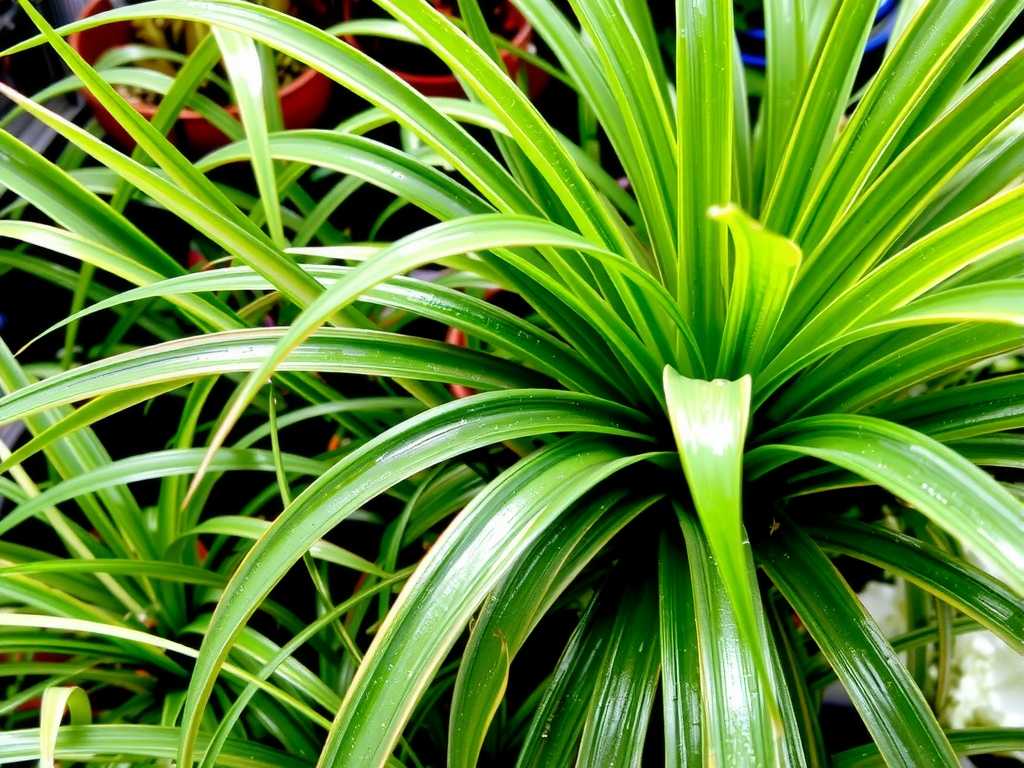
In my plant’s case, the oldest leaves at the base formed a thick, impenetrable mat. This trapped moisture, blocked light from reaching the soil to aid drying, and created a perfect microclimate for pests and pathogens. The plant was expending energy sustaining older, less productive leaves at the expense of vibrant new growth. Thinning spider plant leaves for airflow became my non-negotiable mission.
My Step-by-Step Guide to Strategic Thinning
I didn’t just start snipping. This was a surgical operation, not a clear-cut. Here’s exactly what I did on Day 1.
Preparation is Key I gathered clean, sharp precision pruners (rubbing alcohol sterilized), a soft cloth, and a watering can. I inspected the plant thoroughly, identifying the oldest, outermost leaves—many were slightly yellowed, had brown tips I’d previously trimmed, or simply looked tired compared to the vigorous central growth.
The Thinning Process: A Lesson in Restraint My goal was ventilation, not devastation. I followed a simple rule: remove no more than 20% of the total foliage at once to avoid shocking the plant. I focused solely on the mature outer leaves, tracing each one back to its base at the soil line. With a clean cut, I removed each selected leaf entirely. I prioritized leaves that touched the soil rim or overlapped densely with others.
I worked methodically around the plant, removing a leaf from one side, then moving to the opposite side. This ensured I maintained balance. As I worked, I gently wiped the remaining leaves with my damp cloth to remove dust, further optimizing their surface for photosynthesis and transpiration. The immediate visual effect was striking—the plant looked lighter, and I could suddenly see the soil surface and the base of the younger leaves.
Post-Thinning Care I gave the soil a thorough but careful watering, ensuring moisture reached the roots without leaving the surface soggy. Crucially, I placed the plant back in its bright, indirect light spot but ensured a small fan was oscillating gently in the room several feet away to promote ambient air movement—a vital ventilation tip for indoor plants I learned from expert growers.
The 2-Week Observation: A Transformation Unfolds
The changes weren’t overnight, but they were consistent and remarkable.
Days 1-3: The plant looked a bit “naked” to my eyes, but there was no sign of shock. The cut ends at the base callused over cleanly. Days 4-7: I noticed the soil dried more evenly and significantly faster after watering. That musty smell was completely gone. The center of the plant, now receiving more indirect light, seemed to perk up. Days 8-14: This is where the magic happened. The energy redirected from sustaining old growth became apparent. I observed a noticeable surge in the growth rate of existing young leaves. They were unfurling faster and with a deeper, glossier green hue. Most excitingly, two new spider plant pups (offsets) began to form from the base, which hadn’t happened in months. The overall improved air circulation for houseplants had clearly reduced environmental stress.
The Pitfalls I Encountered (And How I Fixed Them)
I made two key mistakes. Sharing them is as important as sharing the success.
Mistake 1: Over-Enthusiasm on the First Pass. After my initial thinning, I saw a few more leaves I wanted to remove. I went back in and cut maybe 5-6 extra. This pushed me over my 20% limit. The Solution: I stopped immediately. I placed the plant in a slightly shadier spot for 48 hours to reduce transpiration demand and made sure the next watering included a very dilute dose of a balanced, liquid fertilizer to provide gentle nutritional support for recovery. It bounced back fine, but it taught me the discipline of the “less is more” approach.
Mistake 2: Ignoring the Root of the Problem. A week in, I realized that while thinning helped the top, the root ball was likely just as congested. This was contributing to the moisture retention issue. The Solution: At the end of the two-week period, once the plant showed vigorous new growth, I carefully tipped it out of its pot. My hunch was right—it was root-bound. I performed a gentle repot, going up only one pot size (about 2 inches wider in diameter), and loosened the outer root mass. This, combined with the leaf thinning, created a holistic improvement in plant health from top to bottom.
Your Questions, Answered
Will thinning the leaves hurt my spider plant? Not if done correctly. Spider plants are remarkably resilient. Strategic removal of older, non-productive leaves redirects the plant’s energy to new growth and improves its overall systemic health by reducing disease risk. It’s a proactive form of care, not a punishment.
How often should I thin the foliage for optimal airflow? This isn’t a frequent task. For a healthy spider plant, an annual check is sufficient, typically in the spring as growth resumes. Thinning is a corrective and preventative measure for when you notice the center becoming too dense, growth slows, or soil stays wet for too long. Observe your plant, not the calendar.
Can I just cut the brown tips off instead of removing the whole leaf? While trimming brown tips is fine for cosmetics, it does nothing to solve the core issue of overcrowding. A leaf with a trimmed tip still blocks airflow, shades the soil, and consumes resources. For the purpose of enhancing ventilation in dense spider plants, selective whole-leaf removal is the effective technique.
Seeing my spider plant now, two weeks after that initial careful thinning, is a lesson in the power of mindful intervention. It’s not just about having more leaves; it’s about having healthier, happier leaves. The plant breathes easier, drinks more efficiently, and grows with renewed purpose. That dense mat is gone, replaced by a structured, open architecture where every remaining leaf has space to shine. The journey taught me that sometimes, the best way to help something thrive is to have the courage to create a little space.