bluename
 spider plant Light Exposure in Winter: Grow Light Wattage Selection & Usage Duration
Winter is here, and my once-vibrant spider plants are telling a sad story. The lush green is fading, new growth has stalled, and those iconic plantlets just aren’t appearing. The culprit? Drastically reduced natural light. Like many indoor gardeners, I faced the annual dilemma of how to provide the right spider plant light exposure in winter. After years of trial and error, I’ve learned that a simple grow light can be a game-changer, but only if you get the wattage and duration right. This isn't just about keeping them alive; it's about helping them thrive during the darker months.
Understanding the Spider Plant's Winter Light Hunger
Spider plants (Chlorophytum comosum) are famously tolerant, but "low light" is a relative term. In their growing season, they prefer bright, indirect light. Winter sun is weaker and shorter-lived. My south-facing window, a summer paradise, only offered about 3 hours of direct, weak light in December. The Royal Horticultural Society (RHS) notes that while spider plants survive in shade, their growth and variegation are significantly enhanced with adequate light. The goal for winter isn't to mimic intense summer sun, but to supplement the deficit, providing a consistent 8-12 hours of good-quality light to maintain photosynthesis and prevent decline.
My Two-Week Grow Light Experiment: From Guesswork to Precision
I decided to run a focused, two-week experiment on two of my struggling spider plants. I documented everything, from the initial setup to daily observations, to crack the code on effective artificial lighting.
Week 1: Setting the Stage and Initial Observations
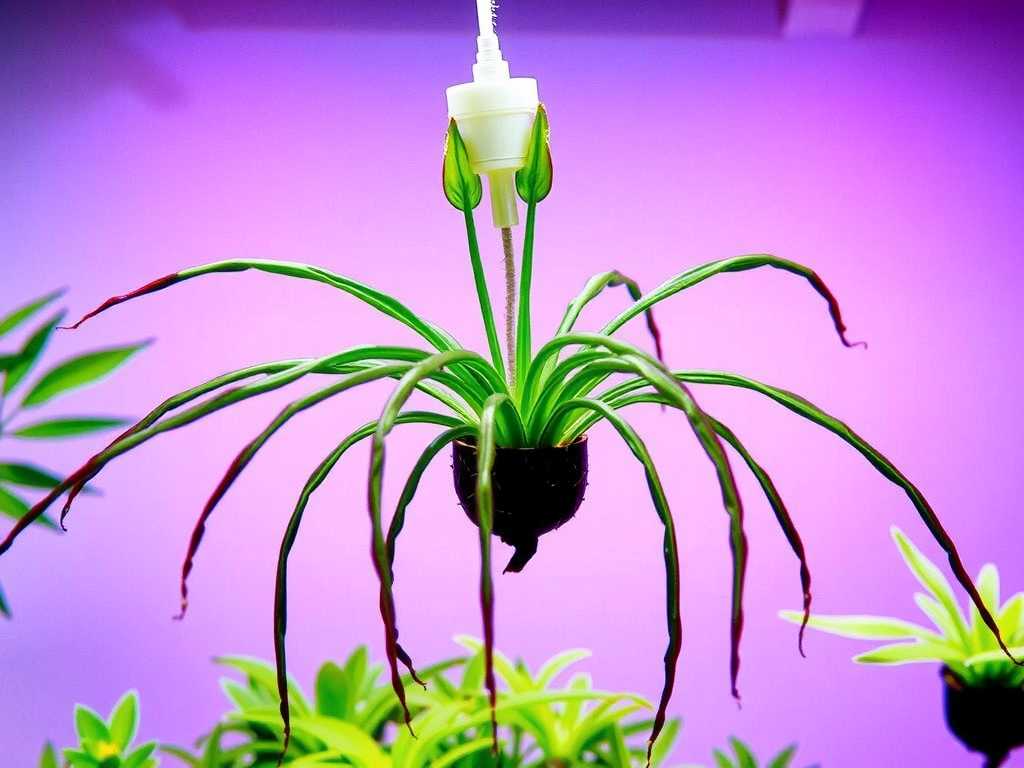
I selected two healthy but dormant-looking spider plants of similar size. For this test, I chose two different LED grow lights to compare effects.
- Plant A: I used a full-spectrum LED grow light panel with an actual power draw of 15 watts. According to the American Horticultural Society's (AHS) guidance on indoor plant lighting, LEDs in the 10-20 watt range are often sufficient for supplemental lighting on medium-light plants like spider plants. I placed it 12 inches above the foliage, setting a timer for 12 hours on, 12 hours off (7 AM to 7 PM).
- Plant B: I opted for a stronger, 24-watt LED bulb in a reflective clamp fixture. I started with it 18 inches away, also on a 12-hour cycle.
Day 1-3: Both plants showed no visible change—this was expected. The key was consistency.
Day 4-7: By the end of the first week, I noticed a subtle difference. Plant A (15W) showed a slight brightening in the center of its rosette, a hint of renewed metabolic activity. Plant B (24W), however, developed faint, pale yellow tips on its outermost leaves. This was my first "aha" moment and a classic pitfall: light burn or stress from too intense a light source, even at a distance. The higher wattage, while not excessive, was too much for my plant's acclimated state.
- The Fix: I immediately moved the 24-watt light for Plant B to 24 inches above the plant. The lesson was clear: Wattage alone doesn't dictate intensity; distance is a critical, often overlooked, factor. A higher-wattage light must be placed further away.
Week 2: Adjustments and Clear Results
With Plant B's light adjusted, I continued the regimen.
Day 8-14: The recovery and response were remarkable. On Plant A (15W at 12"), the new, lighter green growth at the center became unmistakable. It wasn't leggy or stretched—it was compact and healthy. Plant B, now under the adjusted 24W light at 24", stopped developing yellow tips. The existing stress markings remained (a reminder of the misstep), but the plant's overall color improved. Most excitingly, on Day 13, I spotted the very beginning of a stolon (runner) starting to emerge from Plant A. This was the ultimate sign of a happy, stimulated spider plant.
The Verdict After 14 Days: For my specific setup and plant size, the 15-watt LED at 12 inches for 12 hours daily provided the perfect supplemental dose. It triggered growth without stress. The 24-watt light worked well only when properly distanced, confirming that higher wattage requires more careful management.
Choosing the Right Wattage: It's Not Just About the Number
My experiment clarified that wattage selection is a function of light type, plant distance, and your goals.
- LEDs are the Go-To: For spider plants, full-spectrum LEDs are ideal. They are cool, energy-efficient, and target the light spectra plants use most. A 10-20 watt LED is typically perfect. As one expert cited by the AHS puts it, "For supplemental lighting, think in terms of delivering adequate photons without wasting energy on heat—modern LEDs excel here."
- Fluorescent Lights: A standard T5 or T8 fluorescent shop light (often 17-40 watts) works well but needs to be placed closer (6-8 inches) as its intensity per watt is lower than LED. They can raise ambient temperature more.
- The Distance Rule: My 24-watt mishap taught me this. Use the "back of your hand" test: after the light has been on for 10 minutes, place your hand at the leaf level. If you feel noticeable warmth, the light is too close or too strong. Spider plant leaves should never feel hot to the touch.
- Coverage Area: A 15-watt LED panel effectively covered one large spider plant or two smaller ones. Match the light's footprint to your plant's spread.
How Long Should the Lights Be On? Mimicking Nature's Rhythm
Duration is as crucial as intensity. Spider plants need a period of darkness to respire and complete their growth cycles.
- The 12-Hour Sweet Spot: My successful 12-hour schedule (7 AM to 7 PM) effectively extended the short winter day. This consistent photoperiod signals to the plant that conditions are stable for growth.
- Consistency is Key: I used a simple, cheap outlet timer. This automation is non-negotiable. Erratic lighting confuses plants and stresses them more than low light.
- Signs of Too Much Light (Duration or Intensity): Watch for bleached, pale leaves, crispy brown tips (distinct from fluoride-related browning), or leaves curling away from the light source.
- Signs of Too Little Light: The most obvious is continued lack of growth, but also watch for fading variegation (all-green leaves on variegated cultivars) and weak, floppy new leaves.
Common Questions from Fellow Plant Lovers
Can I use a regular desk lamp instead of a grow light? You can, but results will be limited. Standard incandescent or LED bulbs lack the full blue and red spectrum that optimally drives photosynthesis. My early attempts with a bright white 60-watt equivalent LED desk lamp kept a plant from declining but did not stimulate active growth or stolon production like the full-spectrum grow light did. If it's a temporary solution, place it very close (4-6 inches) and expect only maintenance, not thriving.
My spider plant is still not producing babies (plantlets) with the grow light. What's wrong? Patience and maturity are key. While light is the primary trigger, spider plants typically need to be root-bound and mature enough to send out stolons. My plant that produced a runner was in a snug pot. Ensure you're not overwatering in winter (let the top inch of soil dry out) and that you're using a balanced, diluted fertilizer once a month. The grow light provides the energy; the plant uses it on its own schedule.
Is it possible to leave the grow light on 24/7? Absolutely not. Plants require a dark period for critical physiological processes. Continuous light disrupts their circadian rhythm, leads to stress, and can cause leaf chlorosis (yellowing). Think of it as sleep deprivation for your plant. A consistent 10-14 hour cycle, with the rest in darkness, is the healthiest approach.
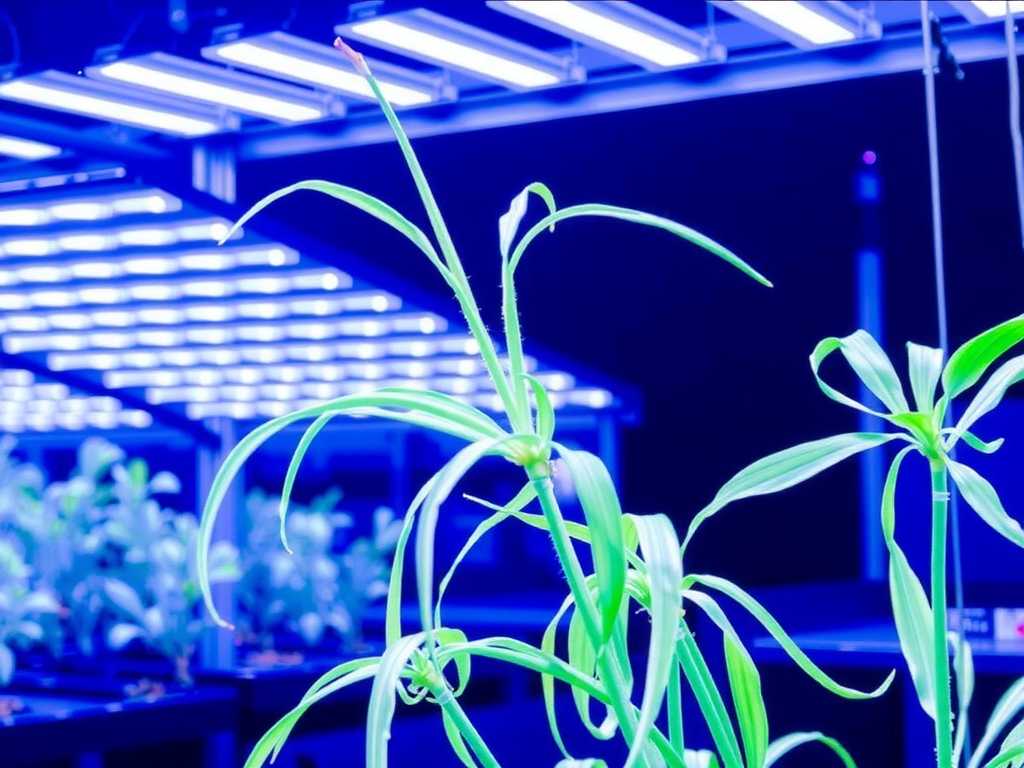
Providing the right spider plant light exposure in winter through careful grow light wattage selection and mindful usage duration transformed my plants from dormant survivors into active growers. It demystified the process, moving me from anxious guesswork to confident care. The key takeaways are to start with a moderate-wattage full-spectrum LED, adjust the distance based on your plant's response, and automate a consistent 12-hour daily schedule. Watch your spider plant closely—it will tell you exactly what it needs. That faint line of new green at the center, or the first tiny nub of a runner, is the best reward, proving you've successfully brought a slice of spring into your winter home.