bluename
 Yellowing and Curling Leaves on spider plants: My Dual Solution for Water & Nutrient Deficiency
I remember the sinking feeling. One morning, my beloved, once-vibrant spider plant, a champion of resilience, greeted me with a sad display of yellowing and curling leaves. It wasn't just a single leaf; it was a pattern, a cry for help. As a dedicated plant enthusiast, I knew this classic combo of symptoms often pointed to a dual culprit: inconsistent watering leading to stress, followed by a nutrient deficiency that sapped its vitality. I refused to accept this as its new normal. I embarked on a focused, two-week rescue mission to address both water and nutrient deficiency in spider plants simultaneously. Here is my complete, step-by-step journey, including the mistakes I made and the remarkable recovery I witnessed.
Understanding the Problem: It's Rarely Just One Thing
When spider plant leaves turn yellow and curl, our first instinct is often to water more. But I’ve learned it's more nuanced. The curling is frequently a moisture issue—either too little or, paradoxically, too much, which damages roots and prevents water uptake. The yellowing, especially if it starts from the tips or older leaves, screams hunger for nutrients like nitrogen. The Royal Horticultural Society (RHS) notes that chlorosis (yellowing) in houseplants is commonly linked to poor root health from overwatering or a lack of essential nutrients in depleted soil. My plant was likely suffering from both: a history of erratic watering had stressed its roots, and it had been years since a proper soil refresh or feed.
My Two-Week Rescue Protocol: Water and Nutrients in Harmony
I decided on a two-pronged approach: immediately stabilizing the watering routine and carefully reintroducing nutrients. The goal was to correct the spider plant leaf curl and yellowing without shocking the plant further.
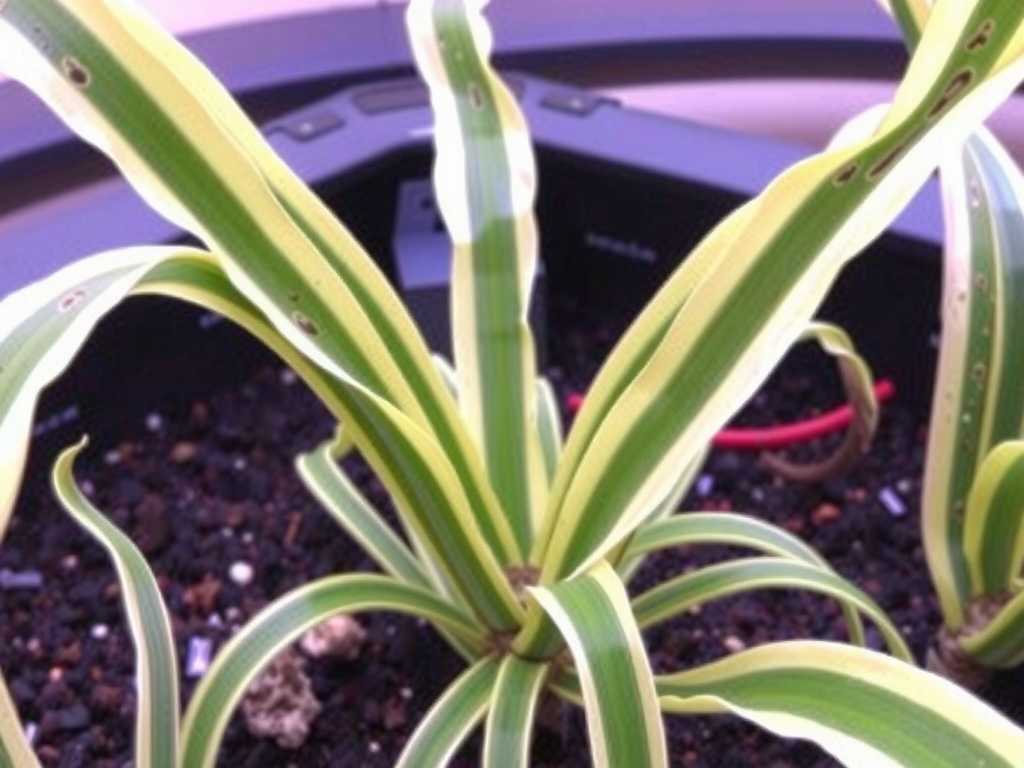
Week 1: Assessment and Corrective Foundations
Day 1-2: The Root of the Issue First, I gently slid the plant from its pot. The roots told a story: they were a mix of firm white ones and some brown, mushy sections—clear evidence of past overwatering. I carefully pruned away all soft, rotten roots with sterilized scissors. This is crucial; decaying roots cannot absorb water or nutrients and will spread disease. I then prepared a fresh, well-draining potting mix, amending a standard houseplant soil with extra perlite for aeration.
Day 3: The Perfect Repot and First Strategic Watering After repotting, I gave the plant a thorough, deep watering until it drained freely from the bottom. This served to settle the new soil around the roots. I placed it in bright, indirect light—no direct sun, which can exacerbate stress. I made a critical note: the next watering would only happen when the top 1-2 inches of soil were completely dry. I used a simple finger test, not a schedule.
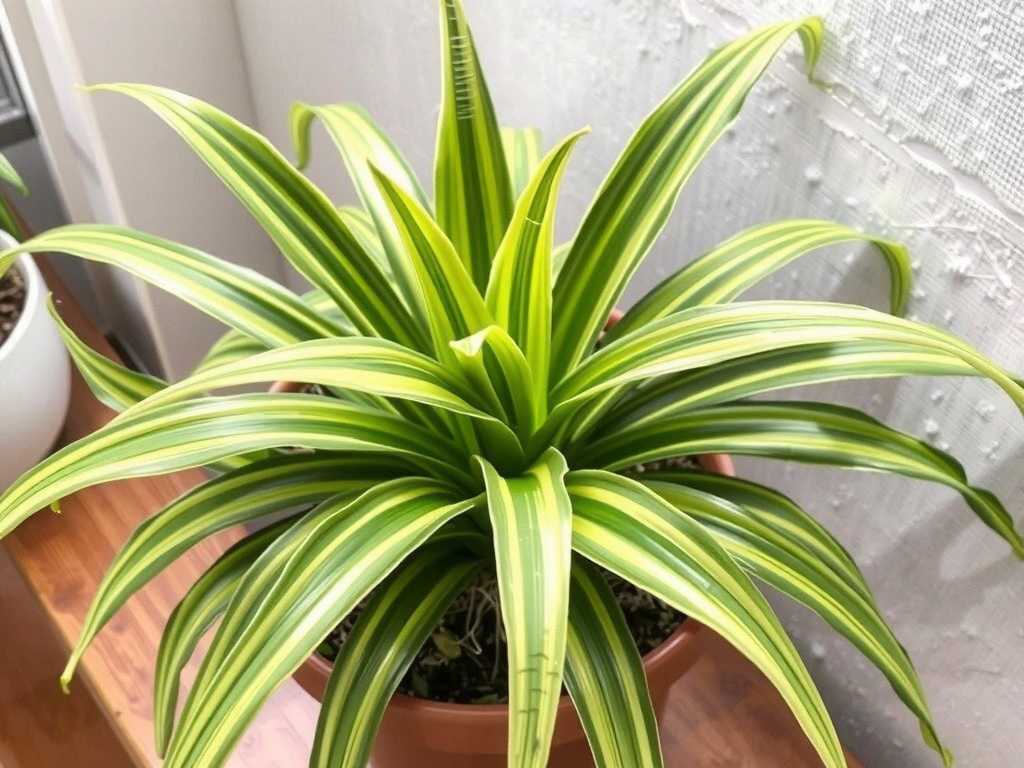
Day 5: Introducing a Gentle Nutrient Boost By day five, the plant showed no signs of further decline—a good sign. It was time to address the nutrient deficiency. I chose a balanced, water-soluble fertilizer (with equal NPK numbers like 10-10-10) but diluted it to half the recommended strength. A full dose could burn the already-stressed roots. I applied this weak solution during a regular watering, ensuring it was moist but not soggy afterward.
Week 2: Observation, Adjustment, and Signs of Hope
Day 8: Monitoring and a Critical Mistake New growth at the center looked slightly greener, but some older yellow leaves continued to curl. I panicked. Thinking it needed more humidity to uncurl, I began misting the leaves heavily twice a day. This was my big mistake. Within two days, I noticed water pooling in the leaf whorls (the central points where leaves emerge). I recalled advice from the American Horticultural Society (AHS), which cautions that frequent overhead watering can lead to crown rot in many plants. I immediately stopped misting. Instead, I placed the pot on a pebble tray with water to provide ambient humidity without wetting the foliage.
Day 10: The Turning Point After correcting the misting error, I checked the soil. It was dry at the two-inch mark. I watered with plain, room-temperature water, allowing full drainage. I observed that the newest leaves were unfurling without the tight curl of the older ones. This was my first real evidence of progress—the watering routine was working.
Day 14: Evaluation and a Second Light Feeding At the two-week mark, the transformation was undeniable. No new yellowing had appeared. The existing yellow leaves (I left them until they were fully brown) had not spread. Most encouragingly, the plant’s center was a vibrant green, and two new offshoots (spiderettes) had begun to form. I administered a second dose of the half-strength fertilizer, confident now that the roots were recovering and could utilize it. The severe leaf curl on my spider plant had stabilized; while the most affected leaves wouldn’t fully recover, they had stopped worsening.
Key Lessons from My Two-Week Trial
- Diagnosis Before Action: Yellow and curled leaves are a symptom, not a diagnosis. Checking the roots is non-negotiable.
- The Perils of Over-Love: My misting mistake nearly caused a fungal issue. Always target water to the soil, not the plant’s crown. A pebble tray is a safer humidity solution.
- Low and Slow with Nutrients: A starved plant cannot handle a feast. Halving the fertilizer strength for the first few applications prevented chemical burn and allowed for gentle recovery.
- Patience is a Virtue: Recovery doesn’t mean old leaves turning green. It means the decline stops and new growth is healthy. That’s the true metric of success.
Your Questions, Answered
Can I save the yellow, curled leaves? Realistically, no. Leaves that have turned fully yellow or brown will not regain their green color. The energy should be directed toward supporting new growth. Prune these leaves only when they are completely brown and pull away easily.
How often should I fertilize my recovering spider plant? During active recovery and growth (spring/summer), a diluted feeding every 4-6 weeks is sufficient. In fall and winter, cease fertilization entirely. Over-fertilization is a common cause of spider plant leaf problems, including sudden yellowing.
What’s the single best way to prevent this issue? Master the watering. Let the soil dry out partially between waterings. Use a pot with drainage holes and a well-draining soil mix. This simple practice prevents most root issues that lead to secondary nutrient deficiencies and curling leaves.
Watching my spider plant rebound over those two weeks was immensely rewarding. The dual approach of precise watering and cautious nutrient replenishment addressed the core physiological problems. It went from a state of yellowing and curling leaves to pushing out healthy, green growth and new plantlets. The process taught me that even common plant ailments require a thoughtful, holistic response. By listening to your plant, correcting the environment, and providing gentle support, you can turn a distressing situation into a story of successful revival.