bluename
 Variegated Silver-Edge spider plant Care: Light Control to Avoid Variegation Loss
I’ve been a houseplant enthusiast for years, but nothing quite caught my eye like the stunning Variegated Silver-Edge Spider Plant. Its elegant green leaves, sharply outlined in creamy white, became the centerpiece of my collection. However, I soon faced the heartbreak familiar to many growers: my plant’s vibrant variegation began to fade. The crisp white edges were turning a dull, solid green. This wasn't just an aesthetic loss; it was a sign my plant wasn't thriving. Through trial, error, and meticulous observation, I discovered that light control is the absolute key to preventing variegation loss in Spider Plants. Let me walk you through my exact process, the two-week experiment that saved my plant, and the crucial lessons I learned.
Why Your Spider Plant is Losing Its Beautiful Stripes
Before we dive into the fix, it’s essential to understand the "why." A Variegated Spider Plant’s stunning pattern isn't just for show. The white or silver parts lack chlorophyll, the pigment plants use to convert light into energy. When light is insufficient, the plant goes into survival mode. It starts producing more green chlorophyll to maximize energy production, essentially "reverting" to solid green to stay alive. This is the primary cause of variegation fading. It’s the plant’s pragmatic, albeit disappointing, response to not getting enough of the right light.
My Two-Week Light Correction Experiment
I decided to take a scientific approach. My plant was sitting about 8 feet from a north-facing window, a spot I assumed was "bright enough." Clearly, it wasn't. I committed to a 14-day regimen of precise light adjustment and daily observation.
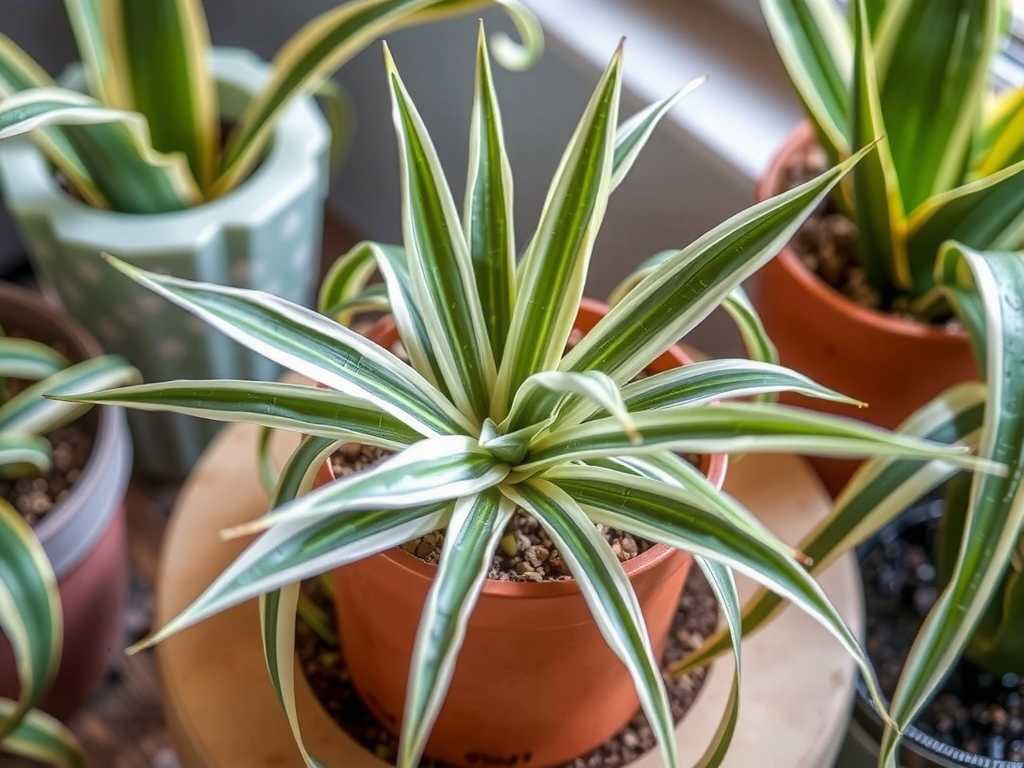
Week 1: Relocation and Baseline Observation
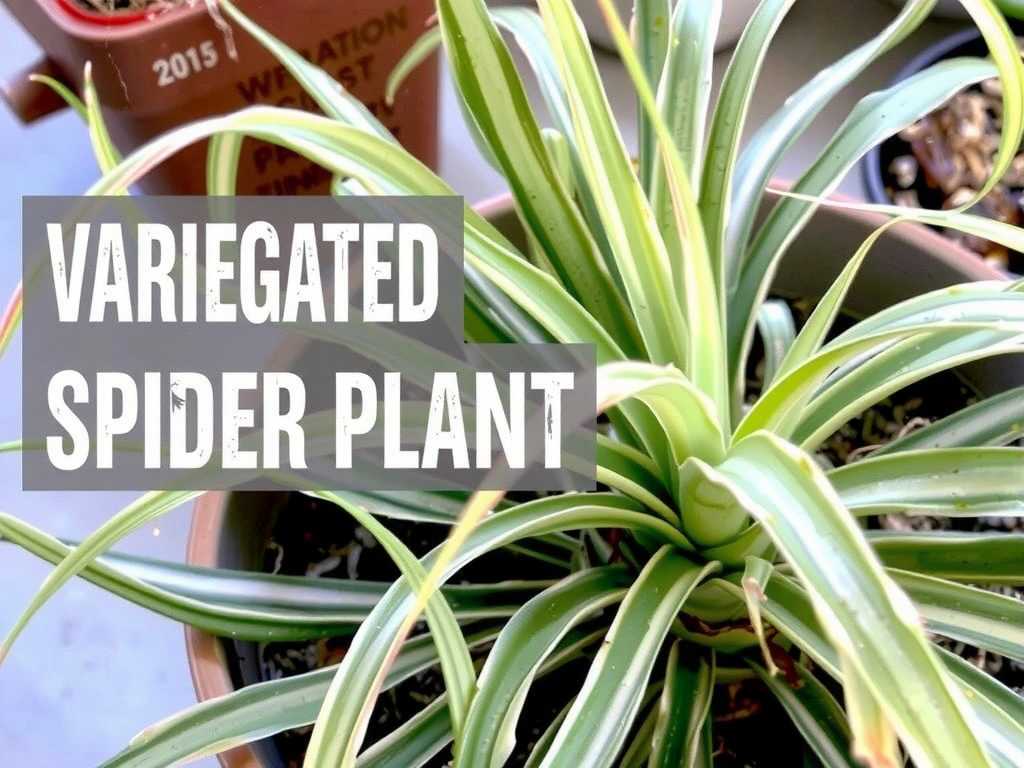
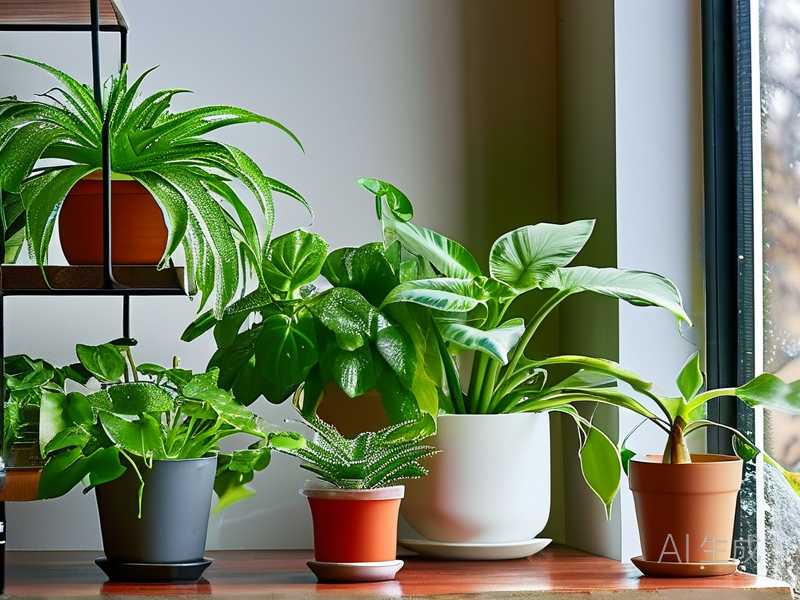
My first step was to find the perfect new home. Based on research from the Royal Horticultural Society (RHS), which notes that variegated plants generally require brighter, indirect light than their all-green counterparts, I identified a new spot. I moved my Spider Plant to a shelf directly adjacent to a large east-facing window. This location received several hours of gentle morning sunlight, followed by bright, indirect light for the rest of the day. A sheer curtain diffused the direct rays, preventing leaf scorch.
I took a "before" photo and made daily notes:
- Day 1-3: No visible change. The newest central leaves remained mostly green with faint edges.
- Day 4-7: I noticed the existing mature leaves seemed slightly more vibrant, but the real observation was in the plant's posture. It seemed less limp. The American Horticultural Society (AHS) emphasizes that proper light affects overall turgor pressure and growth vigor, not just color. This was a promising, albeit subtle, sign.
Week 2: Monitoring New Growth and Adjusting
The second week was all about the new growth. This is where you see if your intervention is working.
- Day 8-10: A tiny new leaf spear emerged from the center. I watched it like a hawk.
- Day 11-14: The new leaf began to unfurl. Unlike the previous pale green leaves, this one showed a much more defined, brighter white stripe along its edge. It was smaller and firmer. By Day 14, a second new leaf followed suit with the same pronounced variegation. Success! The plant was now using the abundant indirect light efficiently, no longer needing to overproduce chlorophyll in its new growth.
The Pitfalls I Encountered (And How to Fix Them)
My journey wasn't without stumbles. Here are the common traps I fell into and how you can avoid them.
1. The "Direct Sun" Burn Mistake In my initial panic to add more light, I once placed my Spider Plant in a south-facing window with full afternoon sun. Within days, the leaf tips browned severely, and some leaves developed bleached, scorched patches. I had confused "bright light" with "harsh direct sun."
- The Fix: I immediately moved it back. The solution is bright, indirect light. Think of the light in a spot where you can cast a soft, fuzzy shadow with your hand. East or west-facing windows are ideal. Use a sheer curtain as a buffer for south-facing exposure.
2. The "Artificial Light Isn't Enough" Assumption During a dark winter week, I worried the east window wasn't sufficient. I dismissed using a grow light, thinking it was overkill.
- The Fix: I invested in a simple, full-spectrum LED grow light. I placed it about 12 inches above the plant, running it for 12 hours a day. This was a game-changer for maintaining consistent light levels during short, gloomy days and completely stabilized the variegation. Don’t underestimate a good grow light for maintaining spider plant variegation in low-light seasons.
3. Ignoring the Plant's Seasonal Language I didn't realize that a slight slowdown in growth and less vivid variegation in deep winter was normal. I overreacted and over-fertilized, which can stress the plant and harm the roots.
- The Fix: I learned to read my plant's cues and respect its natural cycles. I reduced watering and stopped fertilizing entirely from late fall to early spring. When active growth resumed in brighter spring light, I resumed a half-strength, balanced monthly feed. This supports healthy growth without forcing it.
Your Action Plan for Perfect Variegation
Based on my experience, here is your straightforward guide to preventing spider plant leaves from turning green:
- Find the Goldilocks Zone: Place your plant within 3-5 feet of an east or west-facing window. North windows may be too dim, and south windows need filtration.
- Rotate Regularly: Give the pot a quarter turn every time you water. This ensures all sides receive equal light and the plant grows evenly, preventing one-sided green reversion.
- Supplement When Needed: From October to March, or if you have poor natural light, use a grow light for 10-12 hours daily. It’s the most reliable way to preserve silver-edge variegation indoors.
- Practice Patience: Changes won’t happen in old leaves. The proof is in the new growth. Give any new location at least 3-4 weeks to see results in emerging leaves.
Addressing Your Top Concerns
Can a fully reverted green leaf ever turn variegated again? No, unfortunately. Once a leaf has produced more chlorophyll and turned solid green, it will remain that way. The focus should be on ensuring all new growth comes out with the proper pattern. You can prune away fully reverted stems at the soil line to encourage fresh, variegated shoots.
My plant gets enough light but still has brown tips. What's wrong? This is likely a watering or humidity issue. Spider Plants are sensitive to fluoride and salts in tap water, which cause tip burn. Use distilled, rainwater, or filtered water. Also, ensure you’re not overwatering—let the top inch of soil dry out between waterings. Consistent light and proper watering go hand-in-hand.
How do I know if the light is too bright? Watch for signs of stress: leaves turning yellowish or pale, brown crispy patches (not just tips) on the leaves, or leaves that feel thin and papery. If you see this, pull the plant back from the window or add another layer of curtain diffusion.
Seeing those first new, sharply variegated leaves emerge after two weeks of careful light adjustment was incredibly rewarding. It transformed my approach from casual watering to understanding my plant's core needs. The Silver-Edge Spider Plant’s variegation is its signature feature, and with controlled, bright indirect light, you can preserve that stunning contrast for years. It’s a simple but profound shift—from keeping a plant alive to helping it truly thrive and show off its unique beauty. Start by assessing your light today, and your plant will thank you with a spectacular display of green and white.