bluename
 Kitchen spider plant Care: Oil Fume Removal Tips via Regular Leaf Cleaning
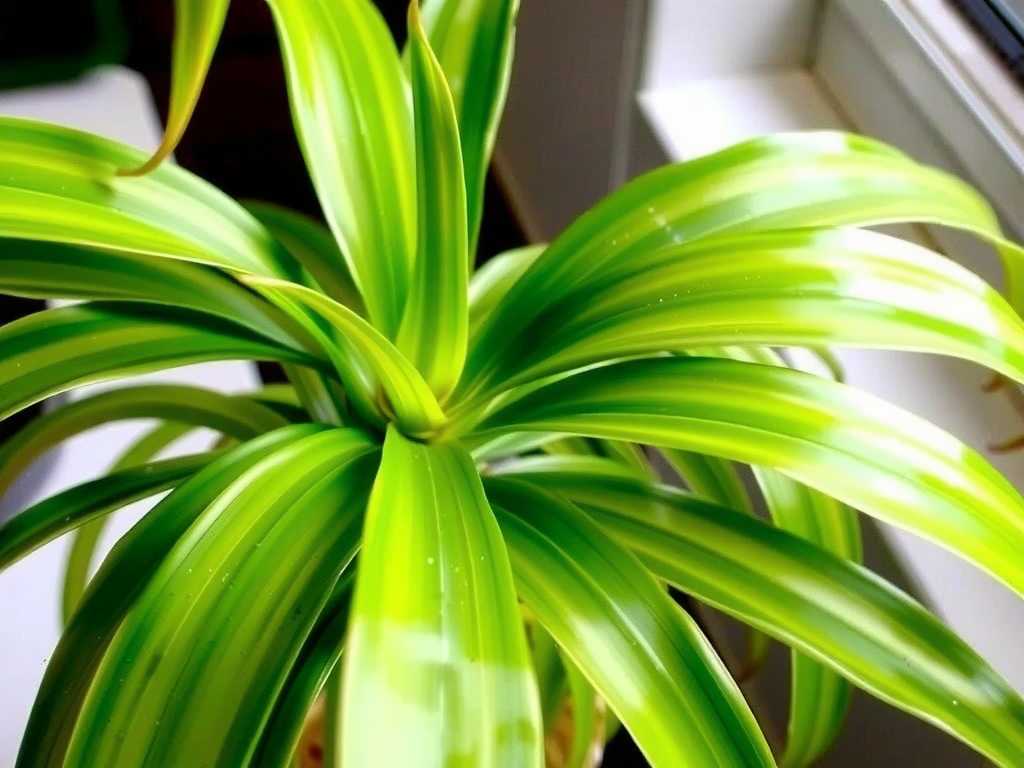
You love cooking, but does your kitchen love it back? If you’re like me, you’ve noticed the invisible film that settles on every surface after a few hearty meals – a greasy, sticky residue from oil fumes. It’s not just unsightly on your cabinets; it’s suffocating for your kitchen’s unsung hero: the spider plant. I learned this the hard way. My once vibrant, air-purifying Chlorophytum comosum started looking dull and lethargic. That’s when I realized that kitchen spider plant care isn’t just about water and light; it’s a battle against grease, and the secret weapon is regular leaf cleaning. For two weeks, I committed to a simple cleaning routine, and the transformation in my plant’s health and its ability to tackle kitchen pollutants was undeniable.
Why Your Spider Plant’s Leaves Are Its Superpower Against Kitchen Grease
We bring spider plants into our kitchens for their legendary air-purifying abilities, famously highlighted in NASA’s Clean Air Study. They’re champions at absorbing common volatile organic compounds (VOCs). However, in a kitchen environment, a layer of oil and dust acts like a clogged filter. The Royal Horticultural Society (RHS) notes that a clean leaf surface is crucial for optimal photosynthesis and transpiration. When pores (stomata) are blocked by grease, the plant can’t “breathe” or process gases effectively. Essentially, a dirty spider plant is a hobbled air purifier. My goal was clear: restore its superpower through consistent, gentle cleaning to enhance oil fume removal.
My 2-Week Deep Clean Regimen: Steps, Tools, and Schedule
I decided on a bi-weekly cleaning schedule, with a quick wipe-down after particularly smoky cooking sessions. Here’s the exact routine I followed.
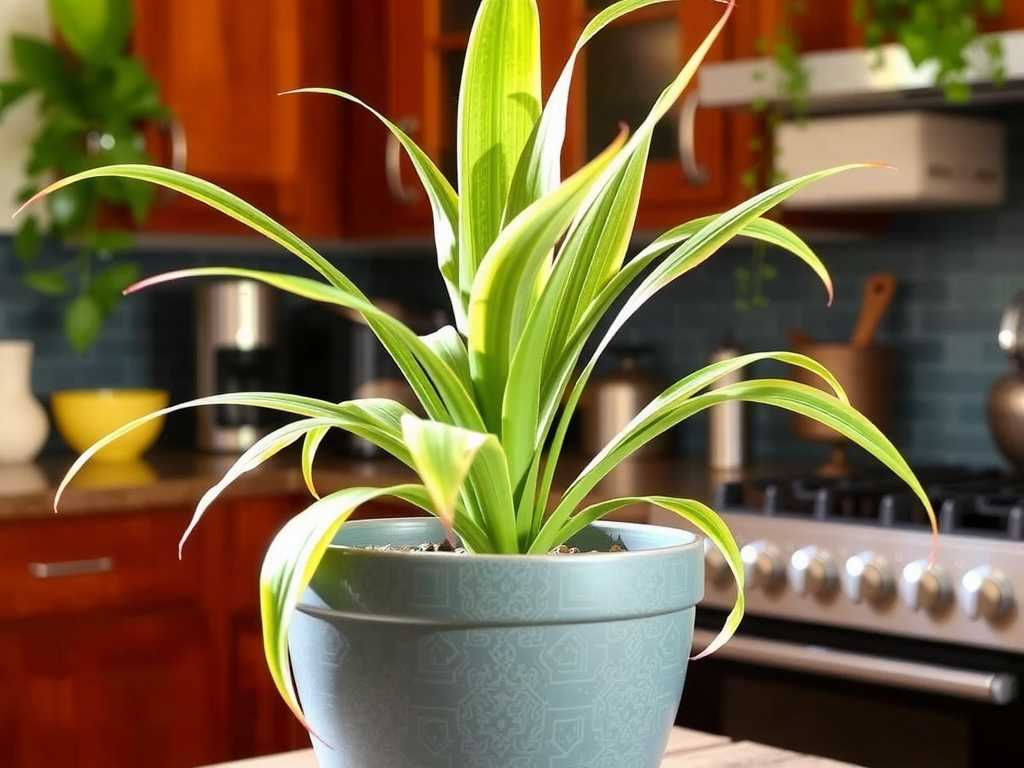
Gathering the Right Supplies: First, I assembled my toolkit: a spray bottle with lukewarm distilled water (tap water can leave mineral spots), a few drops of gentle liquid castile soap, a bowl of plain lukewarm water for rinsing, and two super-soft microfiber cloths. I avoided leaf shine products, as the American Horticultural Society (AHS) advises they can clog pores. Neem oil solution (1 tsp neem, 1/4 tsp soap, 1 quart water) was kept on hand for monthly pest prevention, not weekly cleaning.
The Step-by-Step Cleaning Process:
- Inspection: I’d start by gently examining each leaf, front and back, for dust, grease, and any signs of pests.
- Support: Placing one hand under the leaf to support it, preventing tears.
- Wipe Down: I lightly misted the microfiber cloth (not the leaf directly, to avoid water pooling in the crown) with my soapy water solution. Then, wiping from the base (where it meets the soil) out to the tip, following the leaf’s natural direction. I used one cloth for washing.
- Rinse: I dipped the second clean microfiber cloth in plain water, wrung it out thoroughly, and repeated the wiping motion to remove any soap residue.
- Drying: I let the plant sit in a well-ventilated, warm spot out of direct sunlight to air dry completely before returning it to its usual place.
The Transformation: What I Observed Over 14 Days
The changes weren’t overnight, but they were cumulative and remarkable.
- Week 1 – The Glow Returns: By the end of the first week, the most immediate difference was visual. The leaves lost their dull, grayish tint and regained their deep green, striped luster. They literally looked “fed” and happier.
- Week 2 – Vigor and New Growth: This was the exciting part. I noticed the plant seemed perkier, with leaves standing more upright. Most tellingly, I spotted two new, tiny spiderettes (plantlets) beginning to form on a stolon that had been dormant for months. The plant was investing energy in reproduction—a sure sign of improved health. Furthermore, the regular leaf cleaning seemed to create a less hospitable environment for dust mites, a common issue I hadn’t even fully acknowledged before.
The Pitfalls I Encountered (And How I Fixed Them)
My journey wasn’t without missteps. Here’s where I went wrong and how you can avoid it.
- The Over-Wetting Disaster: In my initial zeal, I sprayed the leaves directly and too generously. Water dripped into the central crown (the heart of the plant), and within days, I saw the base of a few inner leaves turning mushy—classic crown rot. Solution: I immediately stopped watering and carefully blotted the crown with a dry paper towel. I switched to misting the cloth only, never the plant directly. The affected leaves were removed, and the plant recovered.
- The Wrong Cloth: I used a paper towel once, which left tiny scratches and fibers on the delicate leaf surface. Solution: Investing in ultra-soft, lint-free microfiber cloths was a game-changer. They are gentle and highly effective at grabbing grease.
- Ignoring the Undersides: At first, I only cleaned the top surfaces. I later read an RHS article emphasizing that stomata are often more numerous on leaf undersides, and pests love to hide there. Solution: I made flipping and gently cleaning the underside of each leaf a non-negotiable part of my routine.
Integrating Cleaning into Holistic Kitchen Spider Plant Care
Cleaning is vital, but it’s one part of the system. For maximum fume removal efficiency, pair it with:
- Light: Bright, indirect light near a window (but not in direct frying sun) boosts its metabolic rate.
- Water: I water only when the top inch of soil is dry, avoiding soggy conditions that compound respiratory issues.
- Rotation: I give the pot a quarter turn with each cleaning for even growth and light exposure.
How often should I clean my kitchen spider plant’s leaves? A thorough clean every two weeks is perfect for most kitchens. After a big frying session, a simple dry dusting with a soft brush can help in between.
Can I use vinegar or milk to clean the leaves? I don’t recommend it. Vinegar is too acidic and can damage leaf tissue. Milk can leave a residue that sours. Stick to diluted mild soap and water for safety and effectiveness.
My spider plant has brown tips even after cleaning. What’s wrong? Brown tips are often a watering issue—either fluoride in tap water or inconsistent moisture. I use distilled water for both cleaning and watering, and I ensure consistent soil moisture without waterlogging. The cleaning prevents grease buildup, but it won’t fix root-related problems.
Seeing my spider plant thrive again, pushing out new growth and sparkling in the kitchen light, was proof enough. The process of regular leaf cleaning is more than maintenance; it’s an act of unlocking your plant’s full potential. In a kitchen, a clean spider plant is an active, efficient partner in combating airborne grease and pollutants. It’s a small, rewarding ritual that gives back tenfold in vibrant greenery and cleaner air. Give your plant the clear breath it deserves, and it will return the favor.