bluename
 Soil-Free spider plant Cultivation: Pros and Cons of Hydroponics vs. Substrate Culture
For years, I’ve watched my spider plants struggle in traditional potting soil. Browning leaf tips, inconsistent watering, and the constant worry about root rot were my reality. I knew there had to be a better way. That’s when I decided to dive headfirst into the world of soil-free spider plant cultivation. I wanted to see for myself if moving away from dirt could lead to lusher, healthier plants. Over two intensive weeks, I experimented with two primary methods: hydroponics and substrate culture. Here’s my hands-on journey, complete with steps, results, and the lessons I learned the hard way.
Why Go Soil-Free with Spider Plants?
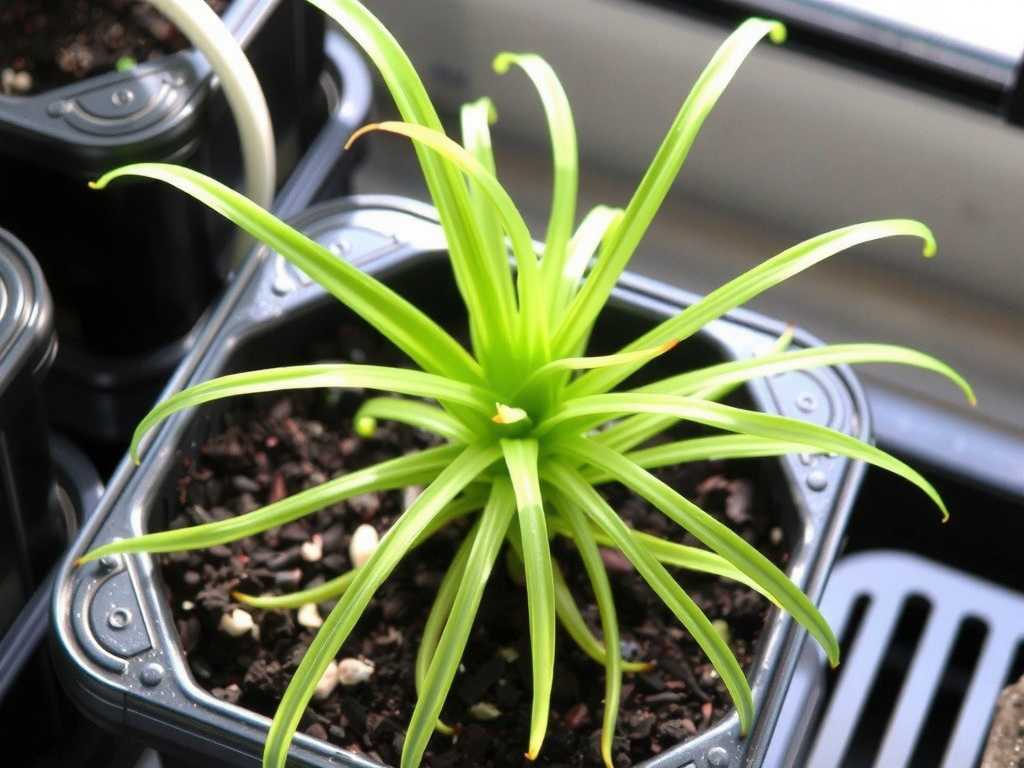
Spider plants (Chlorophytum comosum) are famously resilient, but their common issues often stem from soil-related problems. Fungus gnats, salt buildup from fertilizers, and compacted soil that suffocates roots are all frustrations for indoor gardeners. Soil-free cultivation offers a controlled environment, potentially eliminating these variables. It promises faster growth, cleaner roots, and a more scientific approach to plant care. But is it truly superior? I set out to compare hydroponics for spider plants and substrate culture methods side-by-side.
My Two-Week Experiment: Setting Up the Battle
I selected two healthy, similar-sized spider plant pups from my mother plant. My goal was to monitor their adaptation and growth over 14 days in their new, soil-free homes.
Method 1: Hydroponics – The Water-Based Approach
For this hydroponic spider plant setup, I chose a passive deep water culture (DWC) system. It’s one of the simplest ways to start with hydroponics.
-
My Setup Steps:
- I gently washed all the soil from the pup’s roots until they were completely clean.
- I placed the plant in a net pot, supporting it with clay pebbles (LECA) to hold it upright.
- This net pot was then fitted into the lid of a light-proof reservoir. I filled the reservoir with a nutrient solution, ensuring the roots were partially submerged but the crown of the plant remained high and dry.
- I used a balanced, pH-adjusted liquid fertilizer formulated for hydroponics, following the “seedling” or “weak growth” stage dosage.
-
The First 48 Hours & Week One Observations: The plant initially showed signs of shock. A few older leaves developed slight yellowing, which had me worried. I learned this is common as the plant transitions from soil roots to water roots (aquatic roots). I kept a close eye on the water level and maintained the pH between 6.0 and 6.5, as recommended by the American Horticultural Society (AHS), which notes that proper pH is critical in hydroponics for nutrient availability.
-
Week Two and The "Aha!" Moment: By day 10, new, thicker, bright white roots began to explode from the base! These were clearly different from the soil roots—crisp and adapted to water. The yellowing stabilized, and new leaf growth appeared at the center. The growth seemed accelerated compared to my soil plants.
-
The Hydroponics Pitfall I Hit (And How I Fixed It): My big mistake was not making the reservoir light-proof initially. I used a clear glass jar for the first three days. By day four, I noticed slimy, green algae starting to coat the roots and the inside of the jar. Algae competes for nutrients and can rot roots. My Solution: I immediately transferred the setup to a dark, opaque container. I gently rinsed the roots with fresh pH-balanced water to remove the algae. This simple fix solved the problem entirely. Lesson learned: light plus nutrients equals algae. Always use opaque vessels.
Method 2: Substrate Culture – The Inert Medium Approach
For my substrate culture spider plant, I used LECA (Lightweight Expanded Clay Aggregate) in a simple, self-watering pot setup. This is a form of semi-hydroponics.
-
My Setup Steps:
- I again started with a clean, soil-free pup.
- I filled a decorative inner pot (with drainage holes) about one-third with pre-soaked LECA pellets.
- I positioned the plant’s roots and filled in around them with more LECA to anchor it.
- I placed this pot into an outer cache pot. I then added a nutrient solution to the outer pot, filling it only to about a quarter of the inner pot's height. This allows the LECA to wick moisture upward without saturating the root crown.
-
The First 48 Hours & Week One Observations: The transition was noticeably smoother. There was no leaf yellowing. The plant seemed perkier almost immediately. The LECA provided excellent physical support and air pockets around the roots. I could see tiny droplets of moisture evenly distributed throughout the medium, a sign of good capillary action.
-
Week Two and Steady Progress: Root growth was visible through the spaces in the LECA. They looked healthy and white, exploring the new medium. While the new leaf growth wasn't as explosively fast as in the pure hydroponic setup, it was consistent and robust. The plant maintained excellent color and firmness.
-
The Substrate Culture Challenge (And My Adjustment): My error was in the watering technique. I initially treated it like a traditional pot, pouring water directly onto the LECA from the top. This led to mineral salt buildup as a white crust on the top layer of LECA and the plant’s base. My Solution: I switched to strictly bottom-feeding by only adding nutrient solution to the outer reservoir. Every two weeks, I now practice a “flush” by running a large amount of fresh, pH-adjusted water through the top of the LECA to wash away any accumulated salts. This is a standard practice endorsed by many hydroculture experts to prevent toxic salt accumulation.
Head-to-Head: Weighing the Pros and Cons
After two weeks, here is my practical assessment.
Hydroponics (Deep Water Culture) Pros:
- Faster Root Development: The direct access to oxygenated water and nutrients spurred incredibly fast aquatic root growth.
- Visual Monitoring: I could see the root health and water level instantly, making it very intuitive.
- Less Watering Frequency: Once the reservoir is set, you’re good for 1-2 weeks, reducing maintenance frequency.
Hydroponics Cons:
- Higher Initial Risk: Root rot and algae are real threats if setup isn’t correct.
- System Dependency: If a pump fails (in active systems) or water gets foul, the plant can decline rapidly.
- Less Forgiving: Mistakes with pH or nutrient strength have immediate consequences.
Substrate Culture (with LECA) Pros:
- Easier Transition: My plant showed zero transplant shock. It’s a gentler introduction to soil-free life.
- More Forgiving: The wicking action provides a buffer against over-watering and pH swings. It mimics the wet-dry cycle plants are accustomed to.
- Excellent Aeration: The structure of LECA guarantees plenty of oxygen for the roots, a key factor for health.
Substrate Culture Cons:
- Salt Buildup: Requires a disciplined flushing routine to prevent problems.
- Slower Initial Growth: Growth was steady but not as rapid as in pure hydroponics in this short timeframe.
- Medium Cost: Quality LECA or other inert substrates have a higher upfront cost than soil.
Which Method is Right for You?
If you love tinkering, monitoring metrics like pH and EC, and want potentially faster results, hydroponic growing of spider plants is a thrilling science project. If you want a lower-maintenance, more stable transition from soil that still offers all the benefits of a soil-free system, spider plant hydroculture with an inert substrate like LECA is likely your winner.
Common Questions Answered
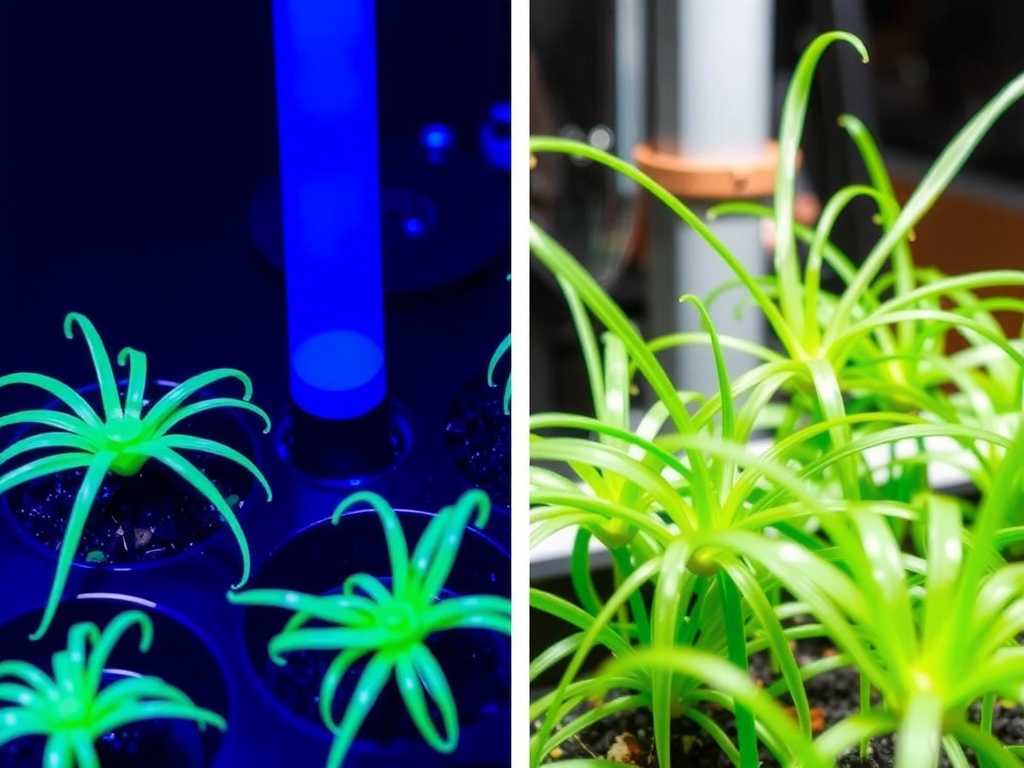
Can I transfer a mature, soil-grown spider plant to a soil-free system? Yes, but be patient and thorough. You must remove ALL soil from the roots, which can be delicate work. Expect a transition period where the plant may shed some old roots and leaves as it adapts. Starting with a younger pup or runner is often more successful.
Do I need special fertilizer for soil-free spider plant cultivation? Absolutely. You must use a complete, water-soluble fertilizer designed for hydroponics. These contain all essential nutrients, including calcium and magnesium, which are often present in soil but missing from standard houseplant fertilizers. Using the wrong fertilizer is a fast track to nutrient deficiencies.
How often do I change the water in a hydroponic spider plant setup? For my passive DWC system, I refresh the nutrient solution entirely every 7-14 days. In between, I top it off with plain pH-adjusted water as needed. In substrate culture, I refresh the reservoir weekly and do a thorough flush every two weeks. Always watch your plant; if the solution looks cloudy or smells off, change it immediately.
My two-week deep dive proved that both methods are viable and exciting. The hydroponic plant showcased astonishing root vigor, while the substrate culture plant demonstrated remarkable resilience and ease of care. Both were free of fungus gnats and had no signs of the dreaded brown leaf tips. Moving to a soil-free system isn’t just a trend; it’s a legitimate, controllable way to cultivate healthier spider plants. It requires a shift in mindset—from watering on a schedule to maintaining a system—but the payoff in vibrant growth and problem-free foliage is, in my experience, well worth the learning curve.