bluename
 spider plant Care in Pet-Owning Households: Placement to Prevent Pet Chewing
As a devoted plant parent and pet owner, I’ve faced the heart-stopping moment of finding my curious cat, Whiskers, with a mouthful of my beloved spider plant leaves. It’s a common, stressful dilemma for those of us sharing our homes with furry friends and greenery. The core challenge of spider plant care in pet-owning households isn't just about light and water; it's about strategic coexistence. While spider plants are celebrated for their air-purifying qualities and resilience, their mildly hallucinogenic effect on cats, similar to catnip, makes them irresistible targets. Through trial, error, and careful observation, I’ve developed a system focused on placement to prevent pet chewing that actually works. Let me walk you through my real-world, two-week experiment to keep both my spider plants and my pets safe and happy.
Understanding the "Why": Why Pets Target Spider Plants
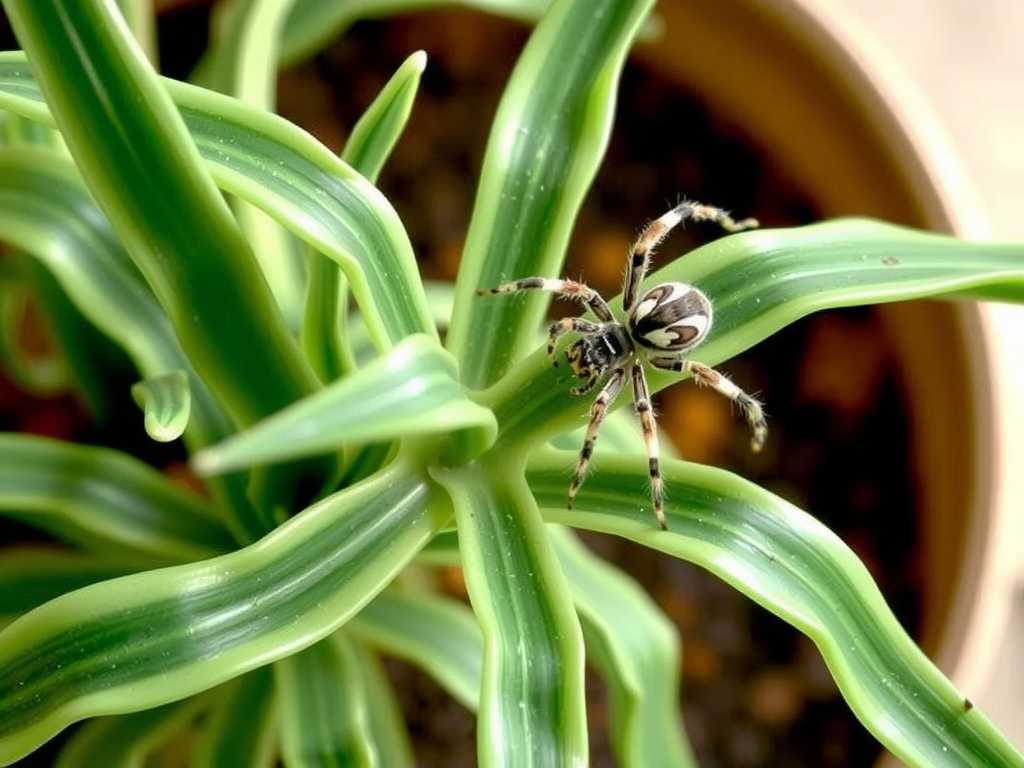
Before we talk about placement, it's crucial to understand the attraction. For years, I thought Whiskers was just being naughty. However, research from sources like the ASPCA (American Society for the Prevention of Cruelty to Animals) clarifies that spider plants (Chlorophytum comosum) are non-toxic to cats and dogs. But they contain chemical compounds related to opium. In small doses, these can cause mild gastrointestinal upset or a temporary, euphoric state in cats. This isn't about hunger; it's about the "buzz." My dog, Milo, seems more interested in the texture and movement of the long leaves. Knowing this shifted my strategy from punishment to prevention through smart environmental design.
My Two-Week Placement Strategy Experiment
I decided to treat my living room as a lab. I had one mature, variegated spider plant and a new, smaller pup. My goal was to find pet-safe plant placement that was both effective and aesthetically pleasing. I documented everything daily.
Week 1: The Great Elevation Test
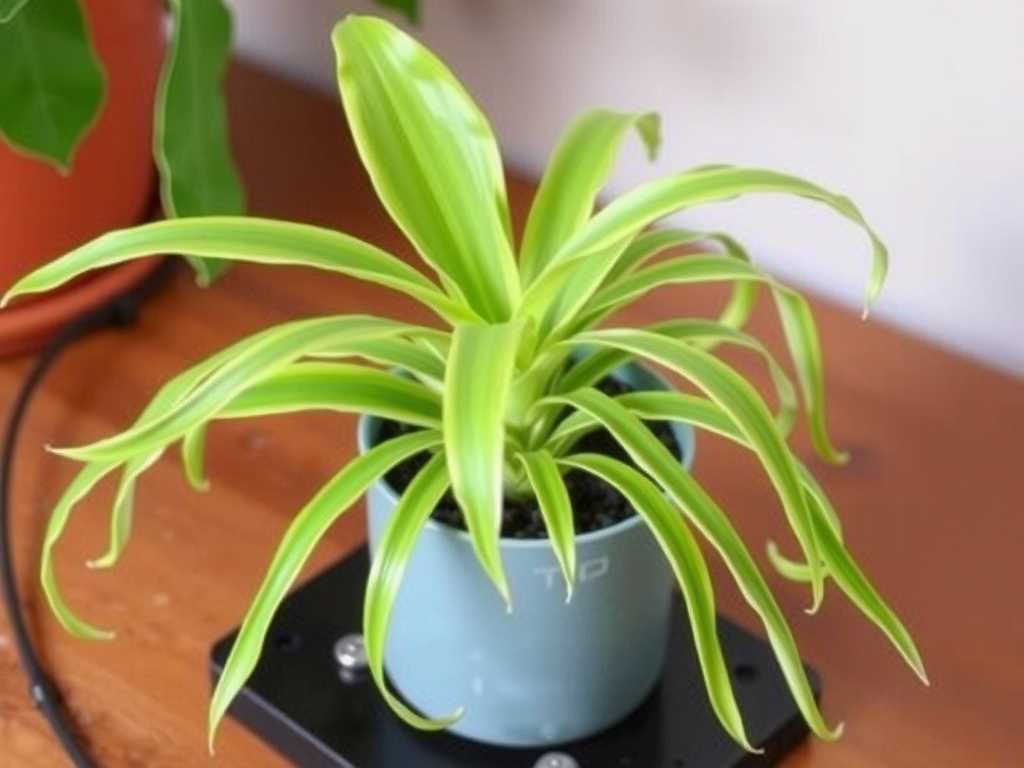
My first hypothesis was simple: out of reach means out of mouth. I moved the main plant from a low side table to a high, floating shelf. It was a beautiful spot with bright, indirect light—perfect on paper.
- Steps Taken: I secured the shelf to the wall studs for absolute safety. I placed the plant in a lightweight, plastic pot (safer if it fell) at the very back of the shelf.
- Observations & The "Leap" Problem: For three days, it worked. Whiskers stared longingly but stayed put. On day four, I witnessed an incredible (and terrifying) vertical leap. She didn't knock it over, but she snagged a leaf tip. The risk of pet poisoning from houseplants wasn't the issue here, but the risk of a falling pot or a damaged plant was real.
- The Fix: I introduced a deterrent. I placed double-sided sticky tape on the edge of the shelf. Cats hate the sticky feeling on their paws. This, combined with the height, created a successful barrier. By the end of week one, the plant was untouched, and Whiskers had lost interest in that shelf entirely.
Week 2: The Dedicated Plant Zone & Diversion Tactics
For the smaller spider plant pup, I tested a different strategy for keeping pets away from plants. I created a "plant zone" inside a large, open-top birdcage I repurposed as a decorative plant stand.
- Steps Taken: I placed the cage on a sturdy plant stand in a sunny corner. The bars were spaced just close enough to prevent a paw from reaching through to grab leaves. I then planted a small pot of cat grass (oatgrass) and placed it on the floor nearby, as a sanctioned, attractive diversion.
- Observations & Success: This was a game-changer. Milo and Whiskers would investigate the caged spider plant but couldn't interact with it. Their attention was quickly redirected to the cat grass, which they were allowed to chew freely. This satisfied Whiskers' urge to nibble on greenery without any risk. After 14 days, both spider plants were completely intact, lush, and thriving. The cat grass needed replanting, but that was a small price to pay for peace.
Essential Placement Principles I Learned (The Hard Way)
My two-week test solidified several non-negotiable rules for harmonizing pets and houseplants.
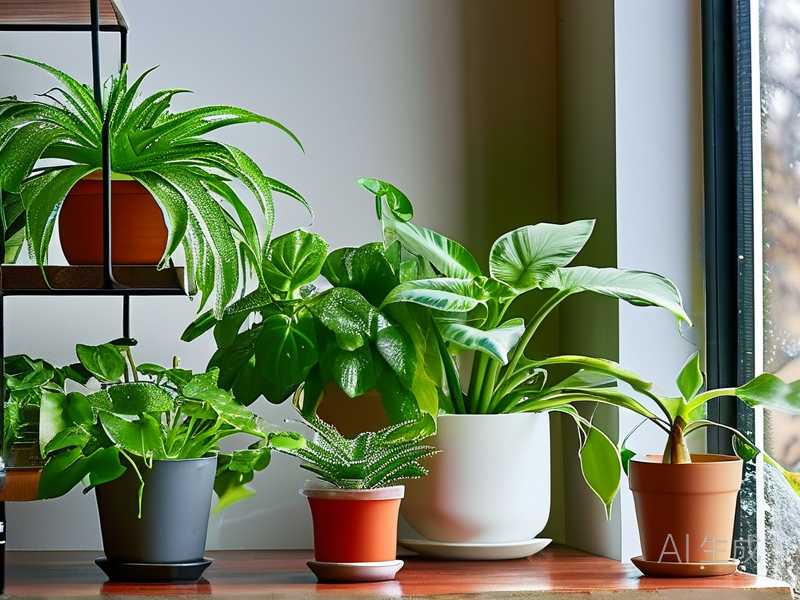
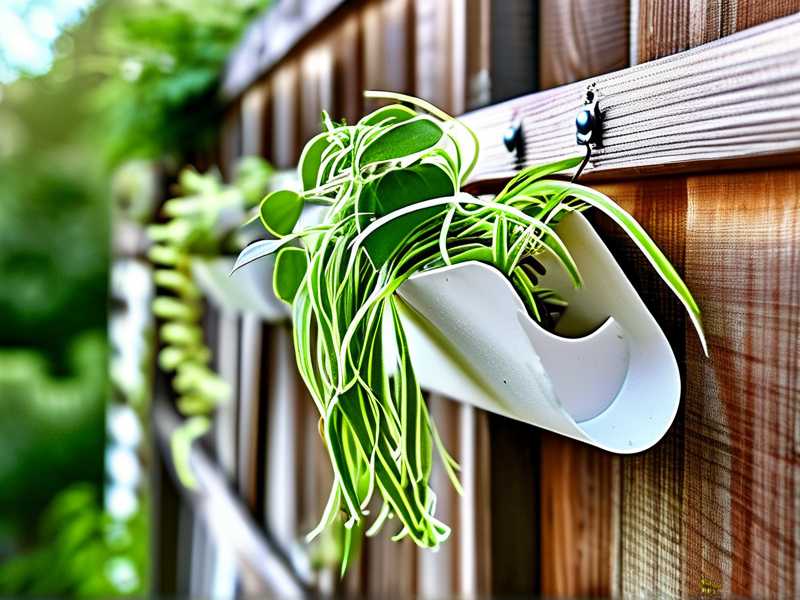
- Vertical Space is Your Best Friend: Utilize wall-mounted shelves, macramé hangers, or tall, sturdy furniture. Always ensure the placement is in a spot where a determined jump cannot result in a pull-down. The sticky tape trick is a fantastic, harmless reinforcement.
- Create Physical Barriers: Decorative cages, glass cloches, or even a room with a pet gate (like a sunny bathroom) can create safe havens for your plants. It’s a clear boundary that pets understand.
- The Power of Diversion: This was my biggest "aha!" moment. Providing a more appealing, pet-safe alternative like cat grass or catnip is the most positive solution. It addresses the root behavior (chewing) rather than just the symptom.
- Never Rely on Repellent Sprays Alone: Early on, I tried a commercial bitter apple spray. The smell was unpleasant for me, it wore off quickly, and I was constantly worried about overspray getting in the soil. It’s an unreliable solo strategy.
What About Toxicity? Separating Fact from Fear
A common search for pet owners is "are spider plants toxic?" It's vital to have accurate information. According to the ASPCA's extensive database, spider plants are listed as non-toxic. However, as I learned, "non-toxic" doesn't mean "no reaction." Eating large amounts can cause vomiting or diarrhea in pets due to the unusual compounds and fiber. The real danger often lies in the fertilizer or pesticides in the soil, or in the plant being knocked over. Always check the ASPCA or Pet Poison Helpline websites for the most authoritative, up-to-date lists.
Frequently Asked Questions From Fellow Pet-and-Plant Lovers
My cat seems obsessed with digging in the soil. What can I do? This was another issue I faced. I found covering the soil surface with a layer of large, smooth river rocks or pine cones creates an effective, natural barrier. It discourages digging, helps retain soil moisture, and looks attractive.
I live in a small apartment with no high shelves. What are my options? The caged method I described is perfect for small spaces. You can also use a dedicated plant cabinet with mesh or glass doors, often called an "Ikea greenhouse" or terrarium. A single, well-placed wall hook for a hanging basket can also work if your pet isn't an extreme climber.
What if my pet has already eaten some spider plant? First, don't panic. Remove any plant material from their mouth. While spider plants are non-toxic, monitor them for signs of gastrointestinal discomfort like vomiting, diarrhea, or lethargy. Offer fresh water. If symptoms seem severe or persist, contact your veterinarian immediately, and if possible, bring a sample of the plant. It’s always better to be safe and get professional advice.
Creating a home that thrives with both pets and plants is absolutely achievable. It requires a shift from simple care to thoughtful strategy. By focusing on intelligent placement—using height, barriers, and diversion—you can enjoy the graceful beauty of your spider plants without the constant worry. My two-week journey taught me that prevention isn't about restriction; it's about designing a space where both your leafy and furry family members can flourish safely, side by side. The peace of mind, seeing Whiskers nap contentedly beside my thriving, untouched spider plant, is worth every bit of the effort.